A historic verdict: Assad sentenced to death in absentia
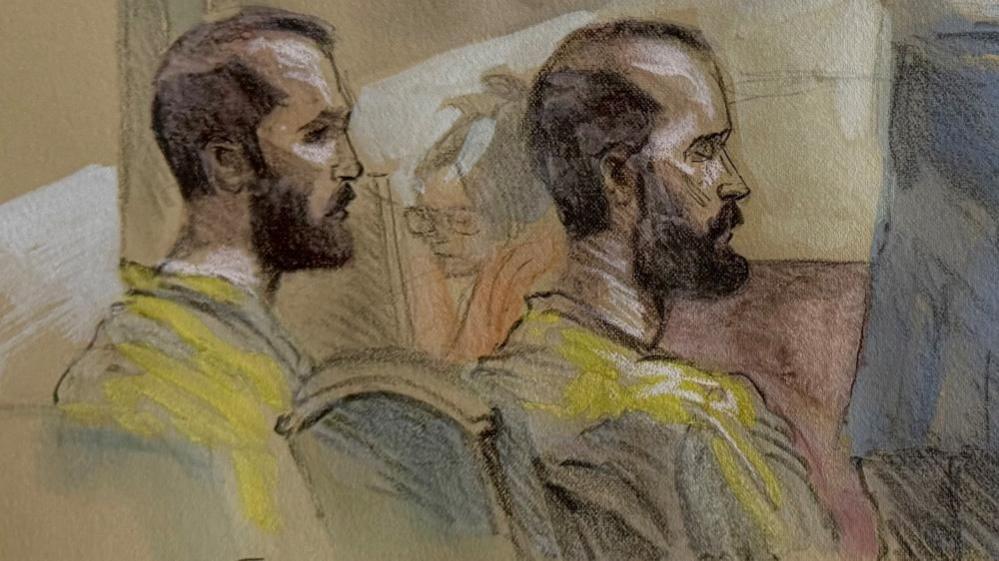
In Damascus, a Syrian court condemned former president Bashar al‑Assad, who fled to Moscow in December 2024, to death. The sentence follows a conviction of war crimes and crimes against humanity committed during the country’s civil conflict.
This marks the first time the Assad family has been held criminally responsible in a Syrian court. Key officials—including his cousin Atef Najib, former political‑security chief in the city of Deraa, and Maher al‑Assad, head of the elite Fourth Division—were also sentenced to death, while six others were convicted in absentia.
Deraa, the epicenter of the 2011 uprising that ignited nationwide protests, has long been seen as the birthplace of the rebellion against the Assad regime. The trial’s outcome is a critical milestone for the new interim government that began prosecuting former officials earlier this year.
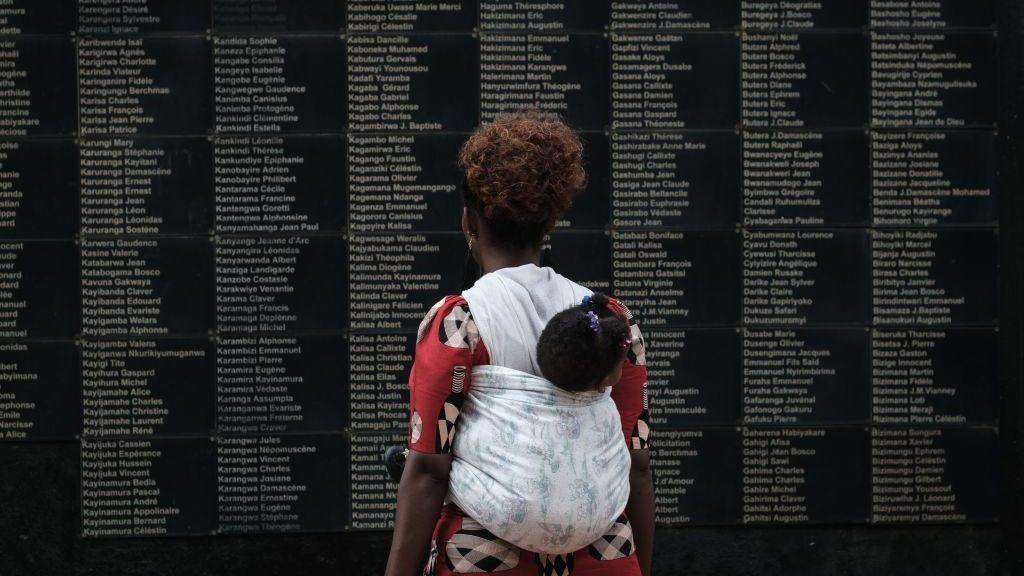
During the sentencing, protesters gathered outside the courthouse, holding photos of loved ones killed by the former regime. Their cheers and chants underscored a collective sense of victory and liberation, expressed by locals who described the hearing as a moment where “the voices of the victims are finally heard.”
Prosecutor Nouha al‑Masri remembered her brother’s death at the March 2011 al‑Omari Square massacre, saying the trial offers hope that “there will be no impunity from this day forward.”
Whether the new authorities will succeed in bringing Assad and Maher al‑Assad from Russian exile remains unclear. The former president already faces a December warrant for murder and torture, yet his presence in Moscow has kept him outside Syrian jurisdiction.
This verdict extends Syria’s attempt to break a half‑century of family rule, targeting the Alawite‑dominated military and security apparatus that underpinned Assad’s reign. As the country moves beyond the civil war, the conviction could set a precedent for future accountability and a more inclusive, democratic future.