
In brief
The Syrian populace is increasingly expressing desires for Russia's exit, viewing the nation as an ally of their long-standing oppressors. Despite this, interim government leaders weigh strategic ties against local sentiments, indicating a challenging road ahead in reshaping Syria's future.
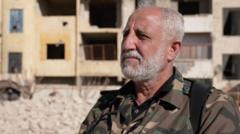
For Ahmed Taha, Russia symbolizes oppression rather than allyship—a sentiment shared by many in Syria as they navigate a post-Bashar al-Assad landscape. For years, Russia and Syria cooperated closely, with Moscow utilizing Syrian bases in exchange for military aid to combat rebels. However, following Assad's regime's collapse, a significant portion of the Syrian populace desires the withdrawal of Russian forces. Taha, a former tradesman turned rebel commander from Douma, states, “Russia's crimes here were indescribable,” reflecting a widespread animosity toward the nation's involvement in the protracted civil war.Since its military intervention in 2015 to bolster Assad's faltering regime, Russia has faced backlash for its aggressive tactics, particularly during the devastating siege of Eastern Ghouta. The Russian military's presence has permitted a dramatic expansion of its influence across the Mediterranean, often at the expense of civilian lives. In places like Douma, airstrikes, besiegements, and humanitarian shortages orchestrated by Russian-backed forces have left neighborhoods in ruins—a testament to the trauma borne by their civilian population.For many, Russian support is inextricably linked with the Assad regime’s relentless cruelty. Abu Hisham, celebrating the regime's decline, articulately demands, “Russia should leave Syria, just as Iran has,” while various ethnic and religious groups, including Christian leaders, voice disillusionment with Russian intentions, suggesting they served their own geopolitical goals instead of aiding the oppressed.Despite public opposition, some leaders in the interim government maintain a cautiously optimistic stance towards continued cooperation with Russia, aiming for potential strategic benefits in future military rebuilds. Defense analysts caution that history binds Syria's military closely with Russian supplies, necessitating complex negotiations as rebuilding efforts commence.With the future of Russian military bases now a subject of tense discussions, Russian officials are adopting a careful approach, emphasizing humanitarian aid and reconstruction support. As both the interim Syrian government and its citizens grapple with the painful legacy of the past and their uncertain paths forward, the relationship with Russia remains an intricate puzzle in the quest for sovereignty and stability.


