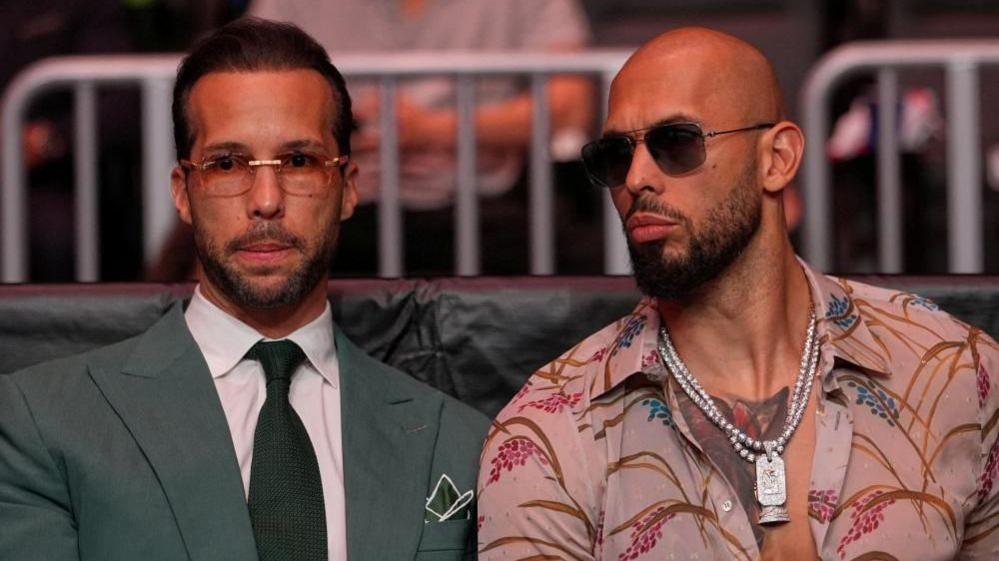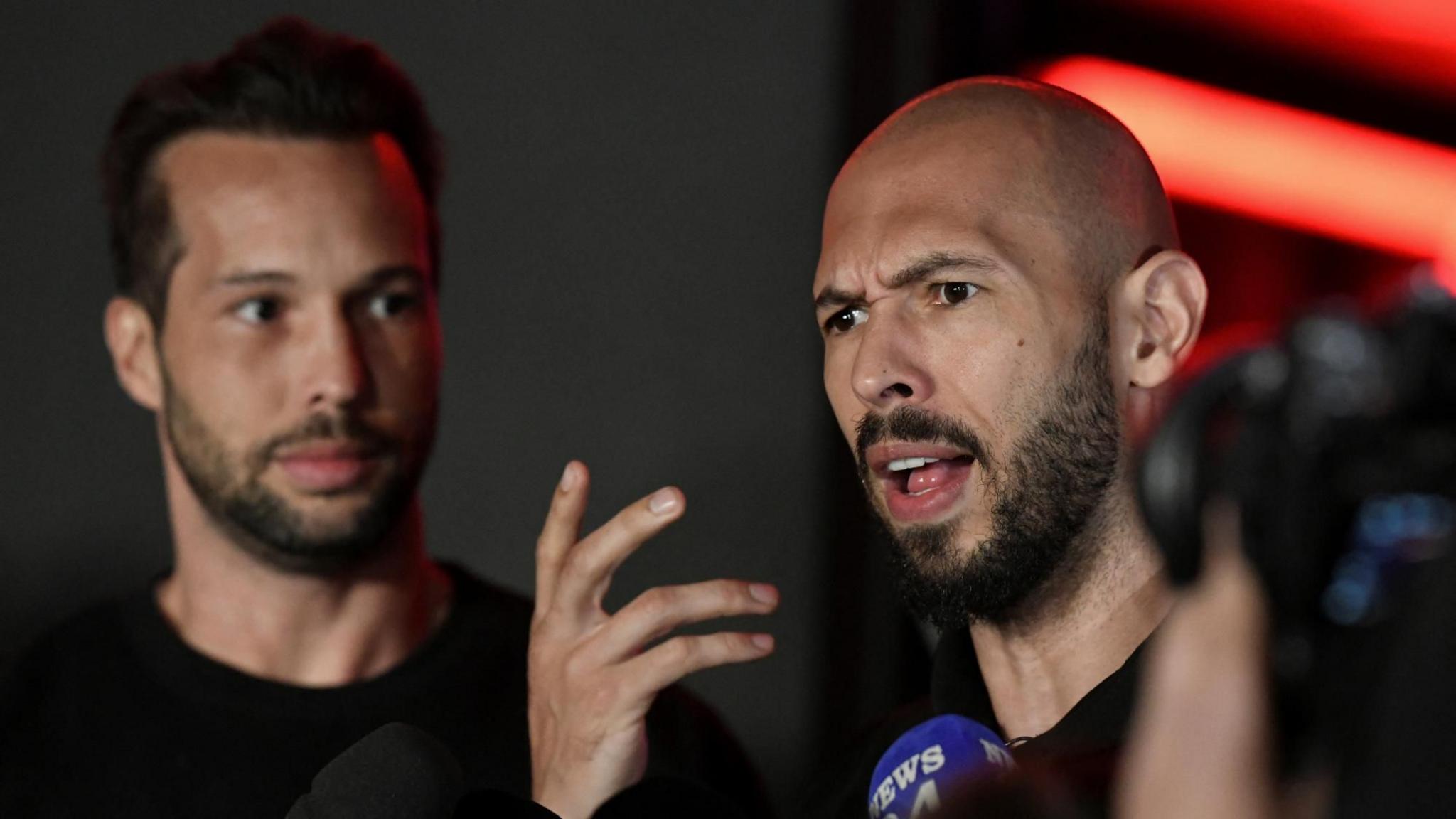

Andrew and Tristan Tate denied a bail request in a Miami federal courtroom, meaning the brothers will continue to be held in a Florida jail as the United Kingdom prepares to file a full extradition request for 59 charges that include rape, sex trafficking and indecent images of a child.
Judge Lauren Louis highlighted the Tates’ dual citizenship and their claimed wealth as a “flight risk”, citing the brothers’ extensive international travel history and the “exceptional capacity to flee the jurisdiction”. The judge noted that the brothers’ lack of solid ties to the U.S. and strong foreign connections raised a significant risk of evading legal accountability.
The UK Crown Prosecution Service first announced 21 charges in June; a further 38 were added in July after the brothers’ U.S. arrest. The extradition process is set to be finalized by 16 September, a deadline that underscores how protracted the case could become.
Tate attorneys maintain that the brothers are not threats to the community and that they have complied with all previous legal obligations in the U.K. and in Romania. Andrew Tate asserted in the hearing that he had never committed the crimes for which he is accused, while Tristan described the cramped and hot jail conditions as a “grateful” hardship.
Earlier this year Romanian prosecutors formally indicted the pair for trafficking and sex offences, and the Romanian government claimed they had attempted to influence victims’ statements while they met all imposed obligations during the investigation.
The brothers’ high‑profile social media presence—known for controversial claims about women and a luxurious lifestyle—fuel public debate about the fairness of legal proceedings and the impact of online personas on judicial outcomes.
As the extradition dossier pans out, the U.S. and U.K. legal teams will likely continue their bid to establish or challenge the flight‑risk assessment, while civil rights advocates weigh potential pretrial detention issues.