Tehran's Daily Struggles Amidst Looming Conflict
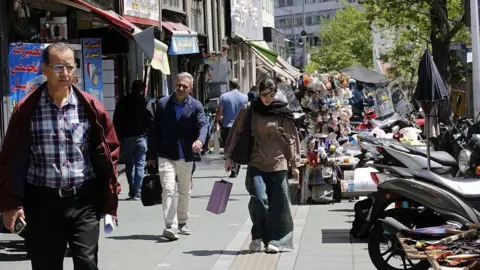
On a bright Tehran spring day, Sanaei Ghaznavi street, with its mix of shops selling groceries and household goods alongside fast food and flowers, seems like an everyday place. In a country where lives have long been buffeted by crises, it is a snapshot of a people just trying to get through the day while their future hangs on forces beyond their control.
For Mohammad, in t-shirt and jeans, even cranking open the striped awning of his family's shoe shop is an act of hope. It makes me happy to be in here, he tells us when we wander into his pocket of a store with its floor-to-ceiling shelves of trainers, big and small. So many people have lost their jobs and aren't working. But there are few customers. We had so many before, his father Mustafa laments glumly as he proudly explains this business has been in their family for 40 years.
One Iranian website, Asr-e Iran, recently cited an unofficial estimate that up to four million jobs may have been lost or impacted by the combined effect of the war and the government's near-total internet shutdown.
Boxes labelled with western logos like New Balance and Clarks protrude from this shop's packed shelves. Made in China, both father and son note matter-of-factly. Even fakes are expensive in Iran, Mohammad adds.
They express uncertainty about the ceasefire, with a complex mix of emotions about the prospect of war returning. We're just tired of living with an economy that keeps getting worse, Mustafa reflects. Shoppers like Shahla share similar sentiments, noting the burdens rising bread prices place on poor families; People are going through hell now just to pay for bread.
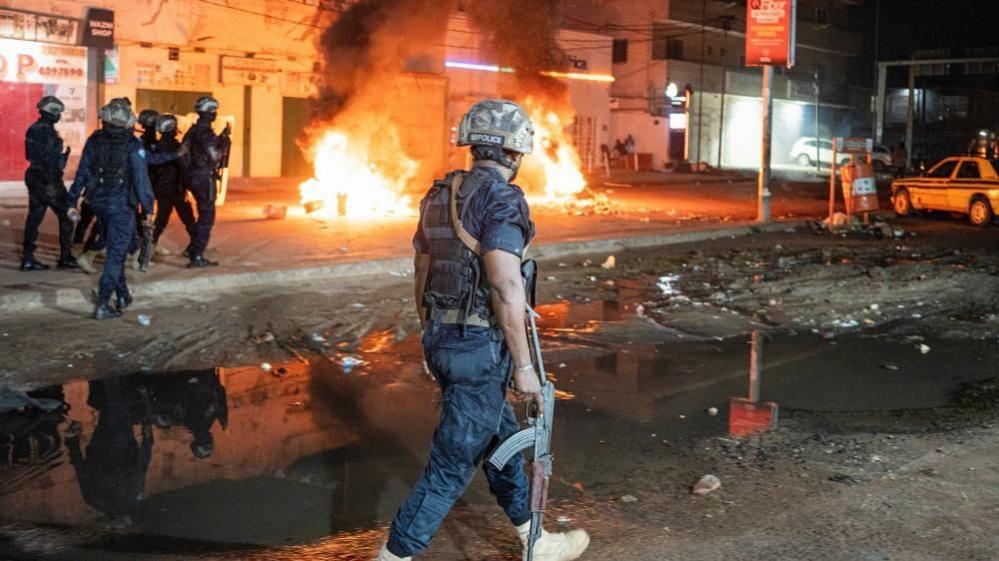
As the sun sinks, life continues, with security visibly tightened amidst ongoing tensions. While young people share moments in cafes, the looming shadows of potential conflict remind them of the precarious nature of their existence in this vibrant city.