In brief
With just days before his execution, Robert Roberson reflects on his daughter's death, insisting he did not harm her despite being convicted in 2003 based on controversial medical testimony. His supporters, including lawmakers and authors, argue that he is an innocent man facing wrongful execution under outdated scientific evidence linked to shaken baby syndrome.
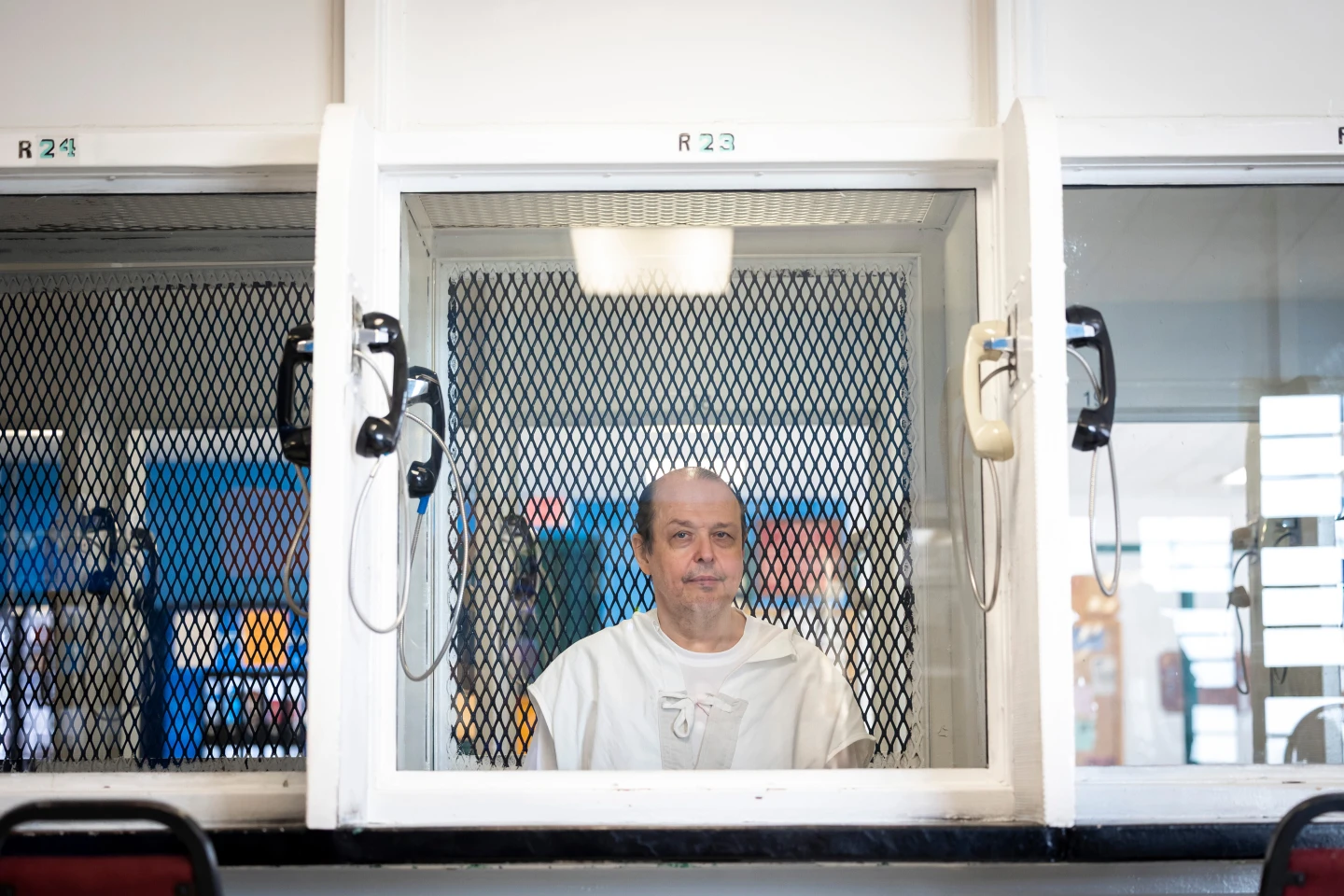
LIVINGSTON, Texas (AP) — Robert Roberson sits on Texas’ death row, facing execution for a crime he insists he did not commit. Convicted in 2003 for the murder of his two-year-old daughter, Nikki Curtis, Roberson's case centers around the controversial diagnosis of shaken baby syndrome.
Roberson, 58, is set to face lethal injection on October 16, nearly a year after a bipartisan group of Texas lawmakers intervened on his behalf, sparking a momentary reprieve while he awaited execution. In an interview, he expressed hope that he may receive another stay, placing his faith in the legal system and divine intervention.
“I know God has it, you know. He’s in control,” Roberson stated. He reflects daily on his daughter's life and potential, expressing sorrow and innocence regarding the allegations against him.
Following her death, prosecutors argued that Roberson had violently shaken his daughter, resulting in fatal brain injuries. However, Roberson’s defense team argues that Nikki died from unrelated health complications, claiming that the conviction was based on now-discredited scientific claims.
Roberson's legal team emphasizes that his undiagnosed autism impacted how he was perceived during trial; they argue that his demeanor led to erroneous assumptions of guilt. In a recent rally, supporters, including notable figures such as author John Grisham, appealed to Texas Governor Greg Abbott to stop the execution.
The Texas Attorney General’s office insists that the conviction was justified, claiming Nikki's injuries were indeed the result of trauma inflicted by Roberson. However, ethical debates surrounding shaken baby syndrome continue, with numerous experts urging a review of these types of convictions.
“The truth will eventually come out,” Roberson declared, hoping for a chance to overturn his conviction.
Despite the impending execution, Roberson remains optimistic, believing there is more to do in his life. “I’m not scared to die, but I’m not ready to die,” he shared, envisioning a future where he can prove his innocence.