In brief
In New York, tailor Kil Bae represents a shrinking workforce of craftsmen finding renewed demand amid a shift away from fast fashion. With increased interest in alterations driven by thrift shopping and weight-loss trends, the tailoring industry seeks to attract a new generation of tailors. However, challenges remain, as median worker age rises and younger generations prefer different career paths. Retailers are expanding tailoring services and educational programs to tackle this labor crisis while preserving this valuable craft.
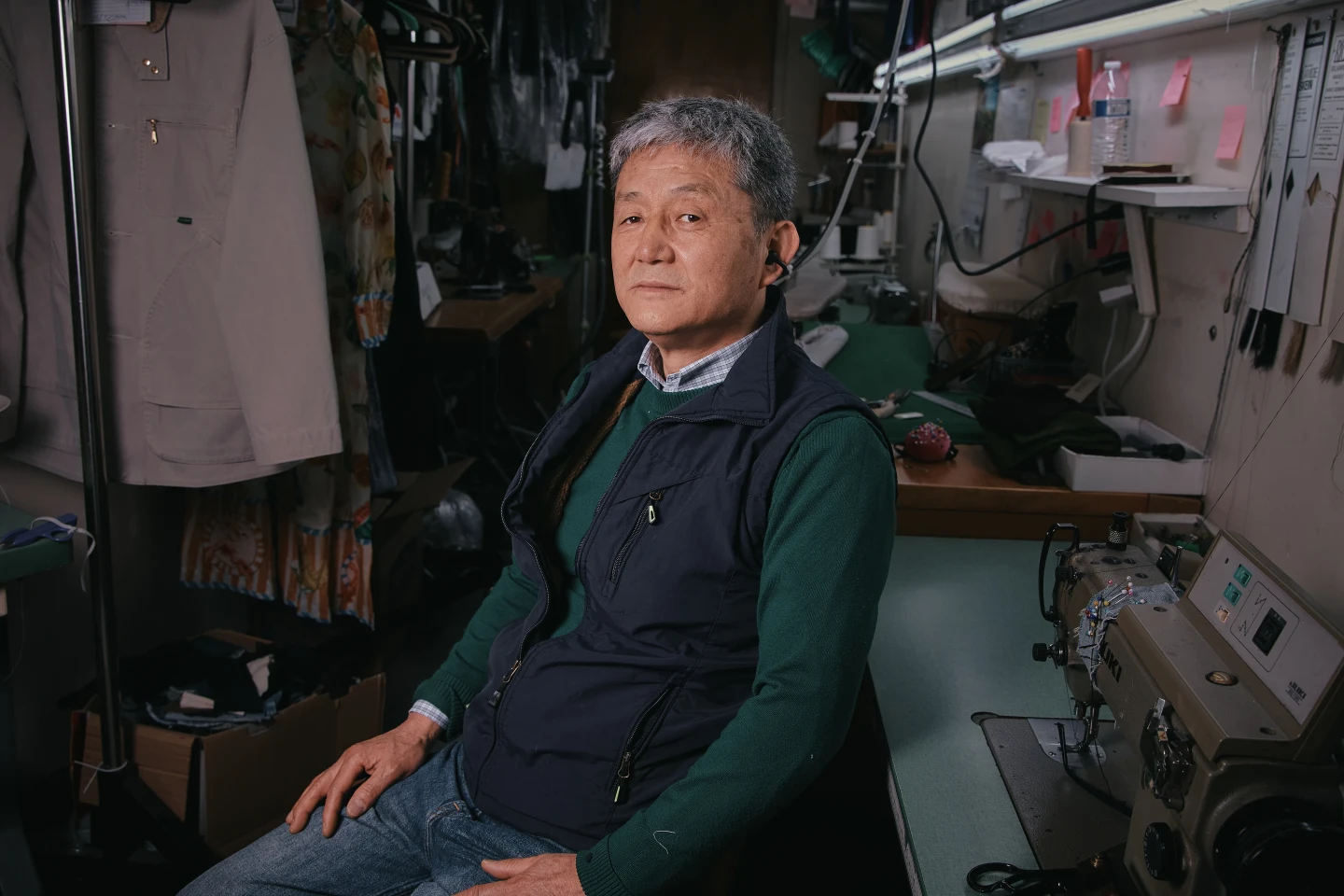
NEW YORK — Inside his bustling Manhattan shop, Kil Bae deftly maneuvers between sewing machines, altering a vintage Tommy Hilfiger jacket for a customer willing to invest $280 into a garment bought for just $20. Such custom alterations are gaining traction as fashion trends evolve, promoting sustainability over disposability.
Bae, a 63-year-old tailor trained in South Korea, has witnessed the complexities of tailoring within an industry facing a shortage of skilled workers. The U.S. Bureau of Labor Statistics reported a decline in tailors by 30% over the past decade, with the median age of sewers now at 54 years. The unique craftsmanship required in tailoring is not attracting younger generations seeking modern careers.
Despite the challenges, the fashion landscape is shifting. Consumers raised on disposable fashion are increasingly leaning towards personalized fits, prompting retailers like Nordstrom and Brooks Brothers to expand their tailoring services, matching the rising demand for bespoke alterations.
The fashion school partnerships aimed at cultivating a new generation of tailors show promise; Nordstrom’s initiative received 200 applications for its first course, with ten students already in the hiring process. However, attracting young talent remains paramount as many prefer fields perceived as more lucrative and less physically demanding.
Despite Bae’s efforts to encourage young people to explore tailoring, many opt for careers in technology over the art of sewing. He continues to hone his skills, leaning into the artistry of bespoke tailoring, and remains hopeful. “As long as my hands can do this work, I will continue,” he asserts.