
In brief
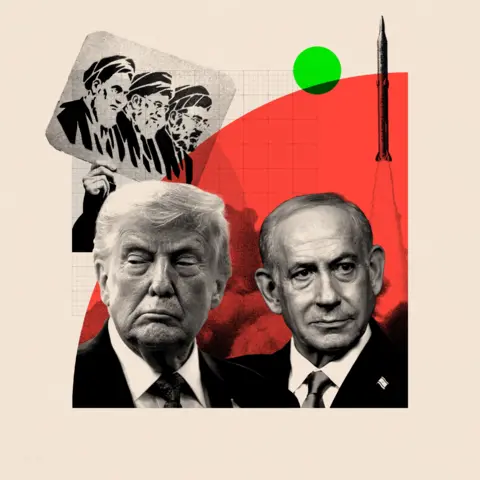
In the wake of President Trump's instinctual military strikes against Iran, the article critiques the lack of strategy and planning in his approach. Drawing on historical military wisdom, it explores the failures and consequences of escalating conflicts without a clear exit strategy, underlining the resilience of the Iranian regime and the dangers of asymmetric warfare.
Some old truths about warfare have been knocking on the door of the Oval Office in the month since US President Donald Trump and Israel's Prime Minister Benjamin Netanyahu sent US and Israeli warplanes to bomb Iran.
The failure to learn from the past means that Donald Trump now faces a stark choice. If he cannot get a deal with Iran, he can either try to declare a victory that will fool no one or escalate the war.
The oldest of the old truths comes from the Prussian military strategist Helmuth von Moltke the Elder: no plan survives first contact with the enemy. He was writing in 1871, the year Germany was unified as an empire, a moment that was as consequential for the security of Europe as this war might be for the security of the Middle East.
Maybe Trump prefers the boxer Mike Tyson's modern version: everyone has a plan until they get hit. Even more relevant for Trump are the words of one of his predecessors, Dwight D. Eisenhower, the American general who commanded the D-Day landings in 1944.
Eisenhower's version was plans are worthless, but planning is everything. He meant that the discipline and process of making plans to fight a war make it possible to change course when the unexpected happens.
For Trump, the unexpected item has been the resilience of the regime in Iran. It appears he hoped for a repeat of the US military's lightning-fast operation to detain Venezuelan president Nicolás Maduro. However, the situation in Iran is vastly different.
The regime's fortitude underscores a yawning misunderstanding of its differences from regimes toppled in the past. Despite Trump's impulsive approach, marked by reliance on instinct over strategic advice, the Iranian government remains robust, defying expectations after significant military actions against its leadership.
As the conflict unfolds, the possibility of escalating could lead to unintended regional and global consequences. Trump's decision-making, contrasting with Netanyahu’s detailed strategies for conflict, continues to highlight the precarious balance of power and military action in a modern-era conflict.
The ongoing war presents a potential turning point in the geopolitical landscape that risks further entrenchment of adversarial tensions and could reshape international relations for years to come.

