
In brief
Las Vegas buffets, once a staple for affordable dining, are now a shadow of their former selves. The first buffet opened 80 years ago, but many of today's options come with a hefty price tag and gourmet offerings. The decline in cheaper buffets correlates with a shift to upscale dining and changing tourist habits, reflecting a broader transformation in Las Vegas's food landscape due to factors like the pandemic and inflation.
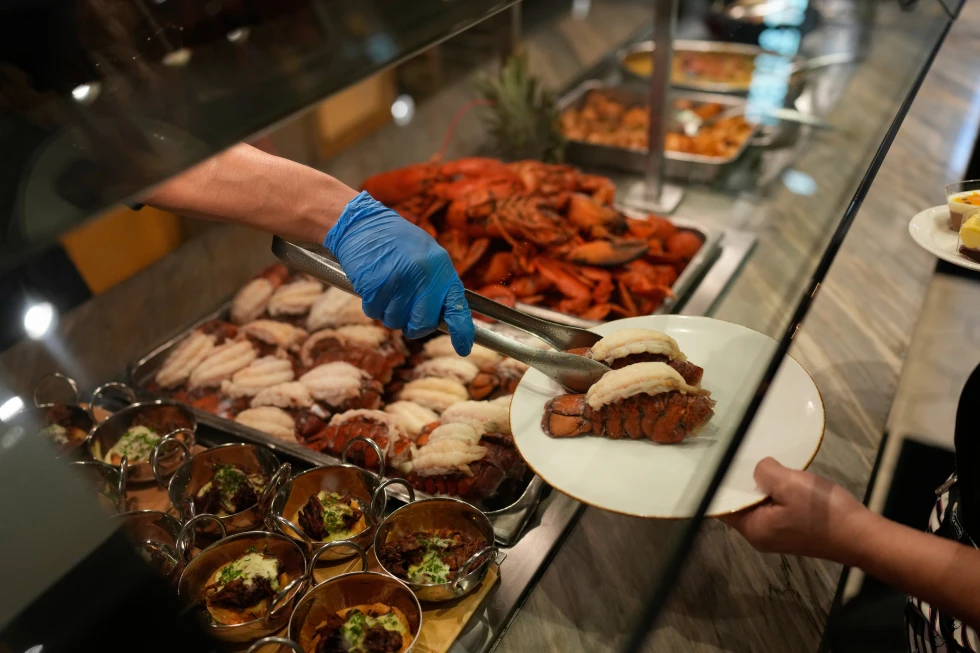
LAS VEGAS (AP) — The Las Vegas buffet scene has dramatically changed over the past 80 years, evolving from the $1 Buckaroo Buffet with its simple offerings of cold cuts and cheese to today’s extravagant experiences that set visitors back up to $175 for gourmet selections such as lobster tail, prime rib, and unlimited drinks.
Historically, buffets were a means for visitors to eat quickly and affordably, allowing them to spend more time and money on the casino floor. However, the number of buffets on the Las Vegas Strip has dropped to around a dozen, largely due to the impacts of the COVID-19 pandemic and the rising costs associated with running such establishments.
The Carnival World Buffet at the Rio, once the city’s largest with over 300 international dishes for about $30, closed in 2020. Its replacement, the Canteen Food Hall, signifies a shift away from traditional buffets. Similarly, ARIA’s popular buffet, known for its Indian cuisine, also closed during the pandemic and was repurposed into Proper Eats Food Hall, offering a variety of dining options.
Many of the iconic buffets have been replaced by trendy food halls and high-end restaurants led by celebrity chefs, reflecting a growing demand for specialized, high-quality dining. Longtime food journalists like Al Mancini note that Las Vegas's reputation as a foodie destination has evolved, pushing for elevated culinary experiences.
Frequent visitors lament the decline of inexpensive buffets and liken it to the loss of other budget-friendly options, such as the iconic 99-cent shrimp cocktail. “You walk in, eat, and wander off to the slots — it was part of the culture,” said Ryan Bohac, a visitor from Arizona.
Other locals have fond memories of the old $1.99 buffets filled with comfort food, offering a sense of abundance that was celebrated in marketing.” The rise of high-end buffets has changed the landscape, with places like the Wynn and Bacchanal Buffet at Caesars Palace becoming destinations of their own, characterized by lavish displays of food.
Notably, the Palms’ A.Y.C.E Buffet offers intense value at $80 for a variety of seafood and thematic entertainment, resembling a circus atmosphere with performances and a playful mascot.
Despite these shifts, Mancini asserts that buffets still hold a place in Las Vegas culture. They are likely to continue to adapt, ensuring they remain appealing to both old fans and new visitors alike.
