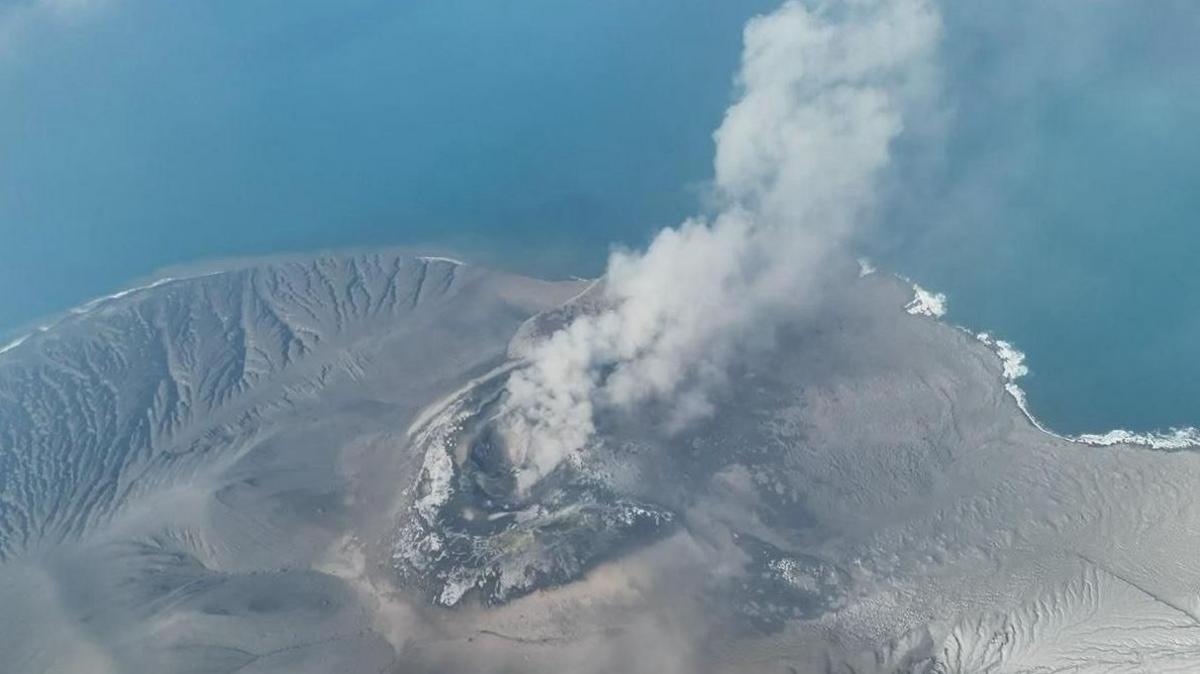
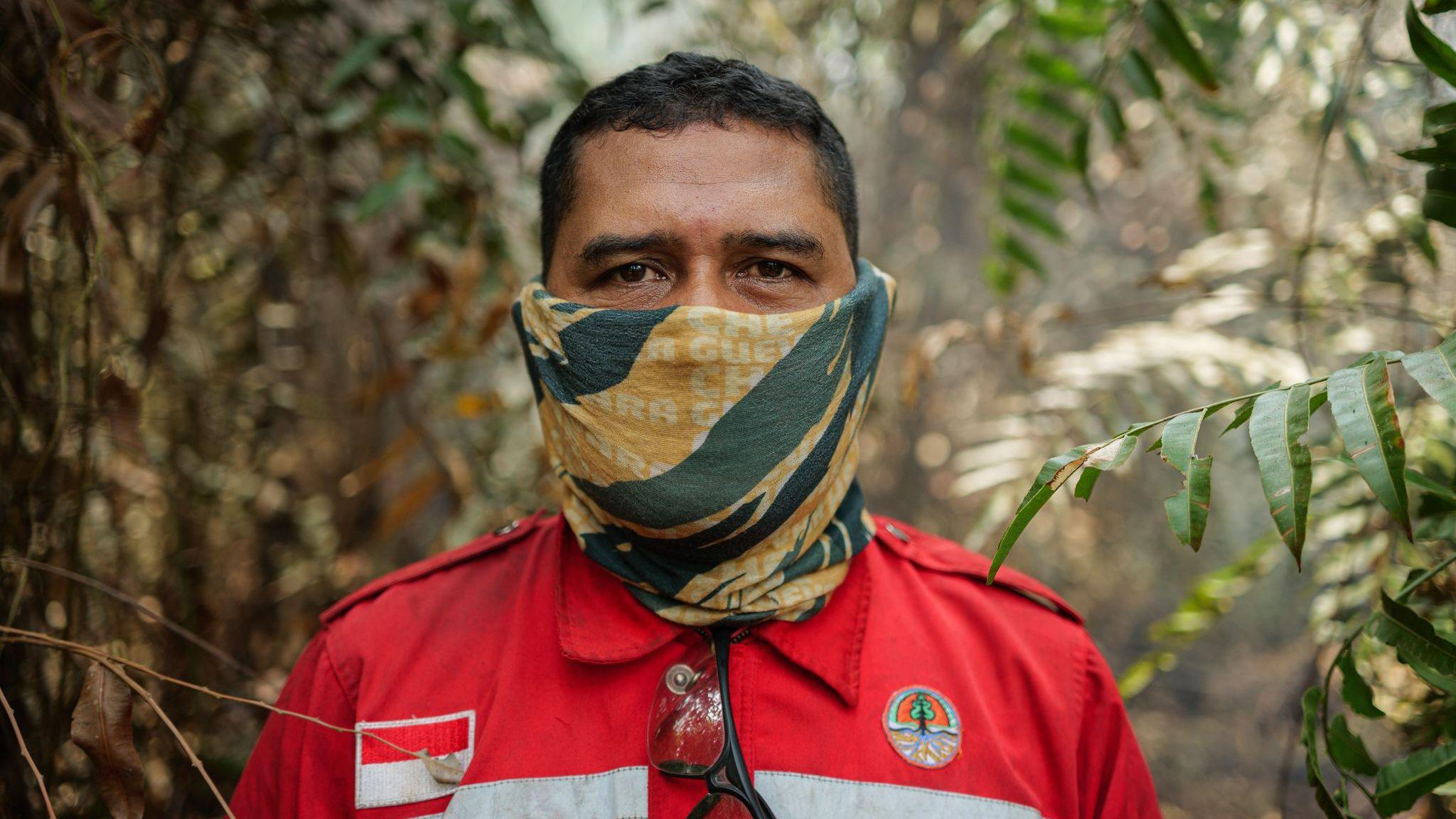
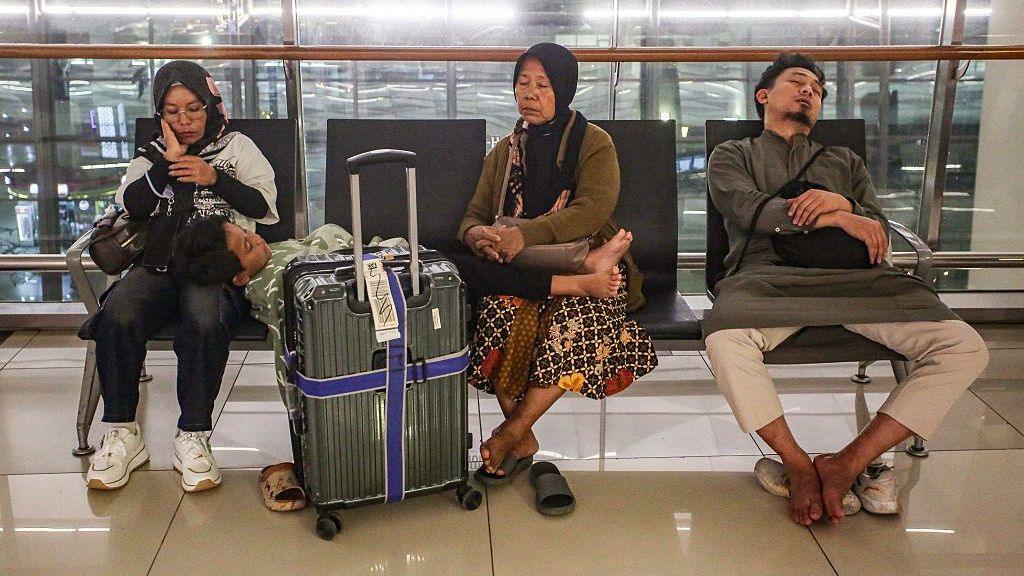
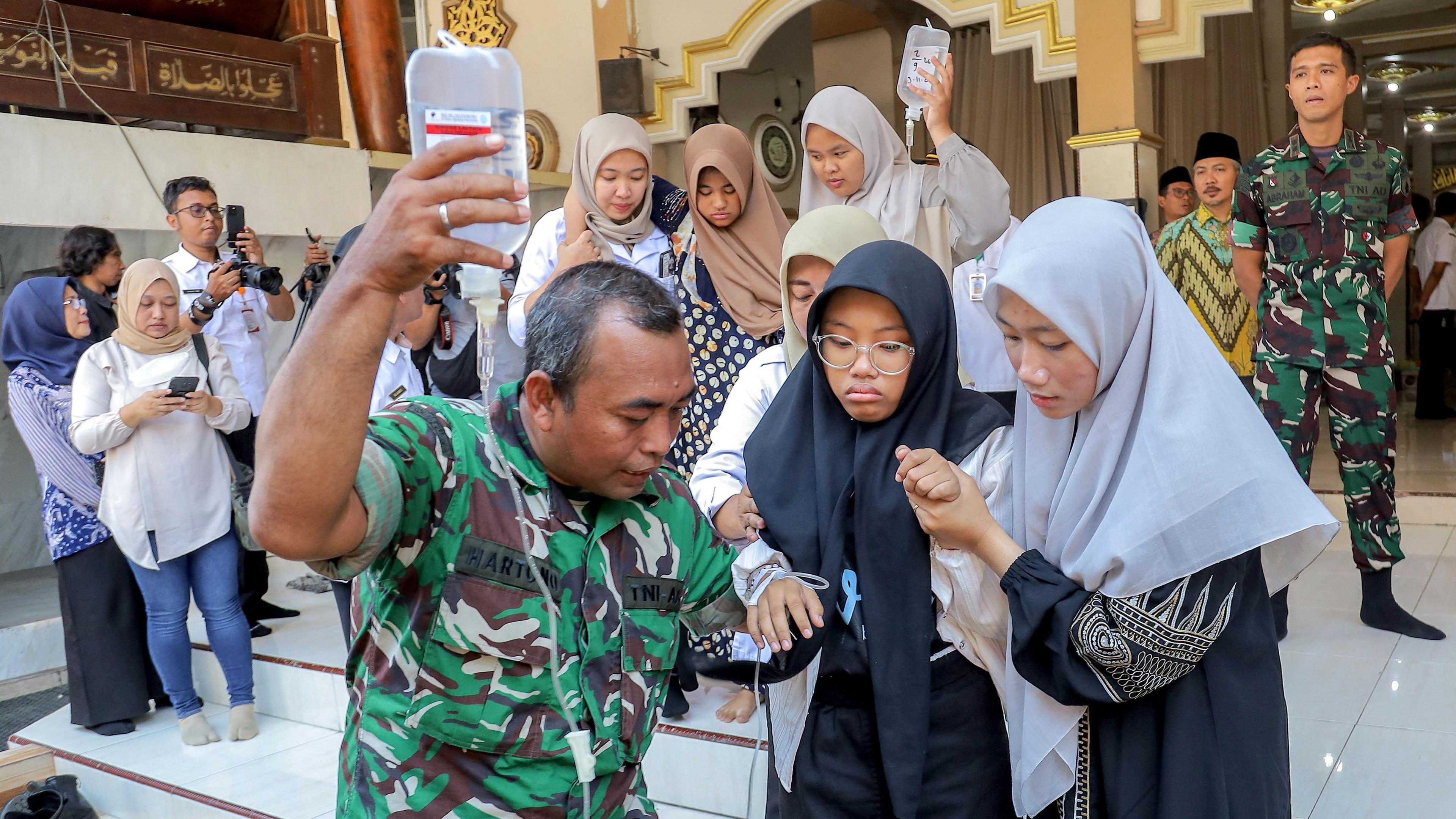
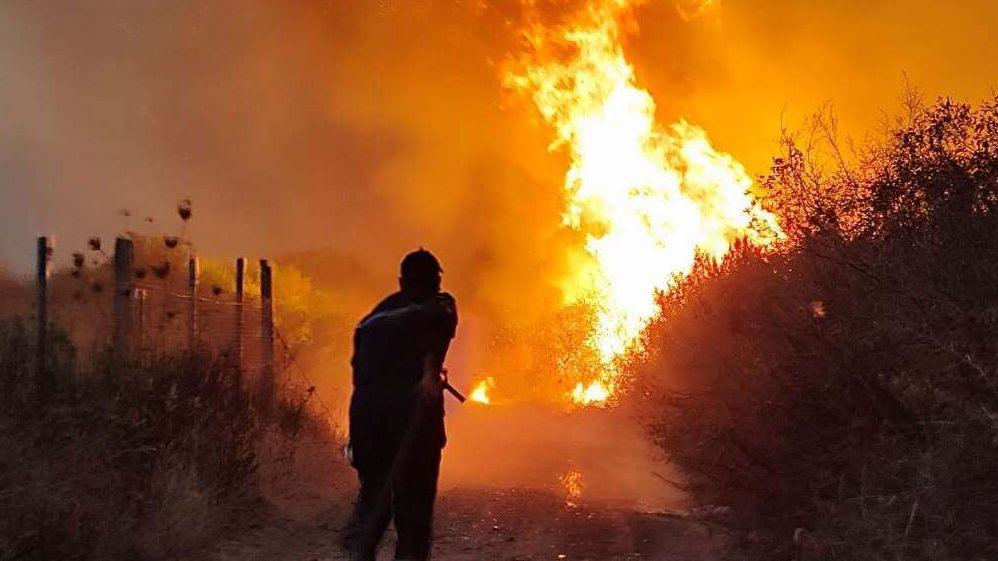
Since August, wildfires that have scorched forests and palm plantations in Indonesia’s Borneo, Sumatra and Kalimantan have unleashed a choking smog that has already sickened roughly 175,000 people.
The haze, consisting of fine particulate matter and toxic gases, has drifted across the Indonesian archipelago and into neighboring Malaysia and Singapore, pushing air quality indices to levels that health agencies label "unhealthy" or worse.
Health Impact
Residents report symptoms ranging from coughing and wheezing to severe breathing difficulty, particularly the elderly, children and those with pre‑existing lung conditions. Hospitals in Jakarta and surrounding areas have recorded a marked increase in asthma and respiratory‐related admissions.
Why the Haze Is So Deadly
The wildfire smoke carries pollutants that are far more hazardous than those produced by ordinary fires. When inhaled, fine particles reach deep into the lungs, aggravating diseases and sometimes causing new health problems.
Indonesia’s Response
The Indonesian government has deployed fire‑retardant chemicals and intensified ground‑based firefighting teams. Nationwide awareness campaigns are urging residents to limit outdoor activity during peak haze and to use respiratory masks.
Meanwhile, scientists and health workers are coordinating with neighboring countries to monitor pollution levels and exchange advice on public health measures.
BBC’s Liza Tambunan provides a detailed explanation of the sources of the haze and the challenges of containing large forest fires that are exacerbated by dry conditions and climate change.
For more detailed reporting and the full interview, visit the BBC news site.