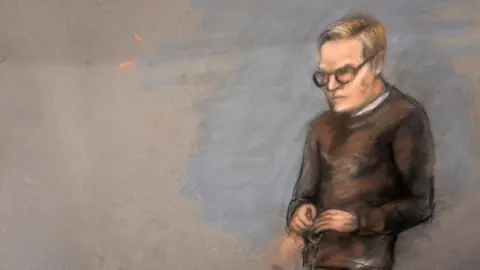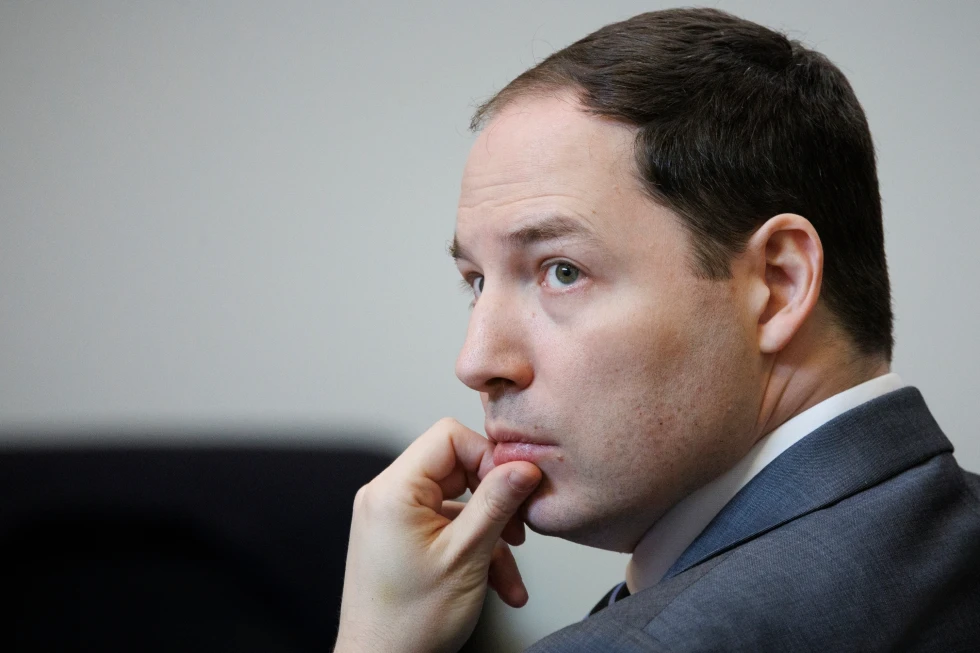
The trial of a former Uvalde, Texas, school police officer accused of failing to stop a gunman in the crucial early moments of the 2022 Robb Elementary School shooting is expected to go to jury deliberation soon.
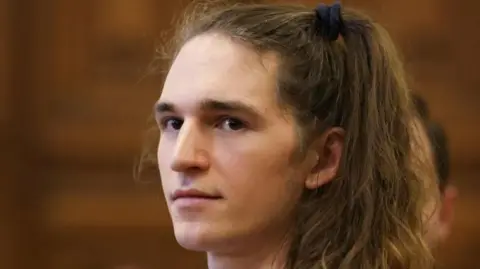
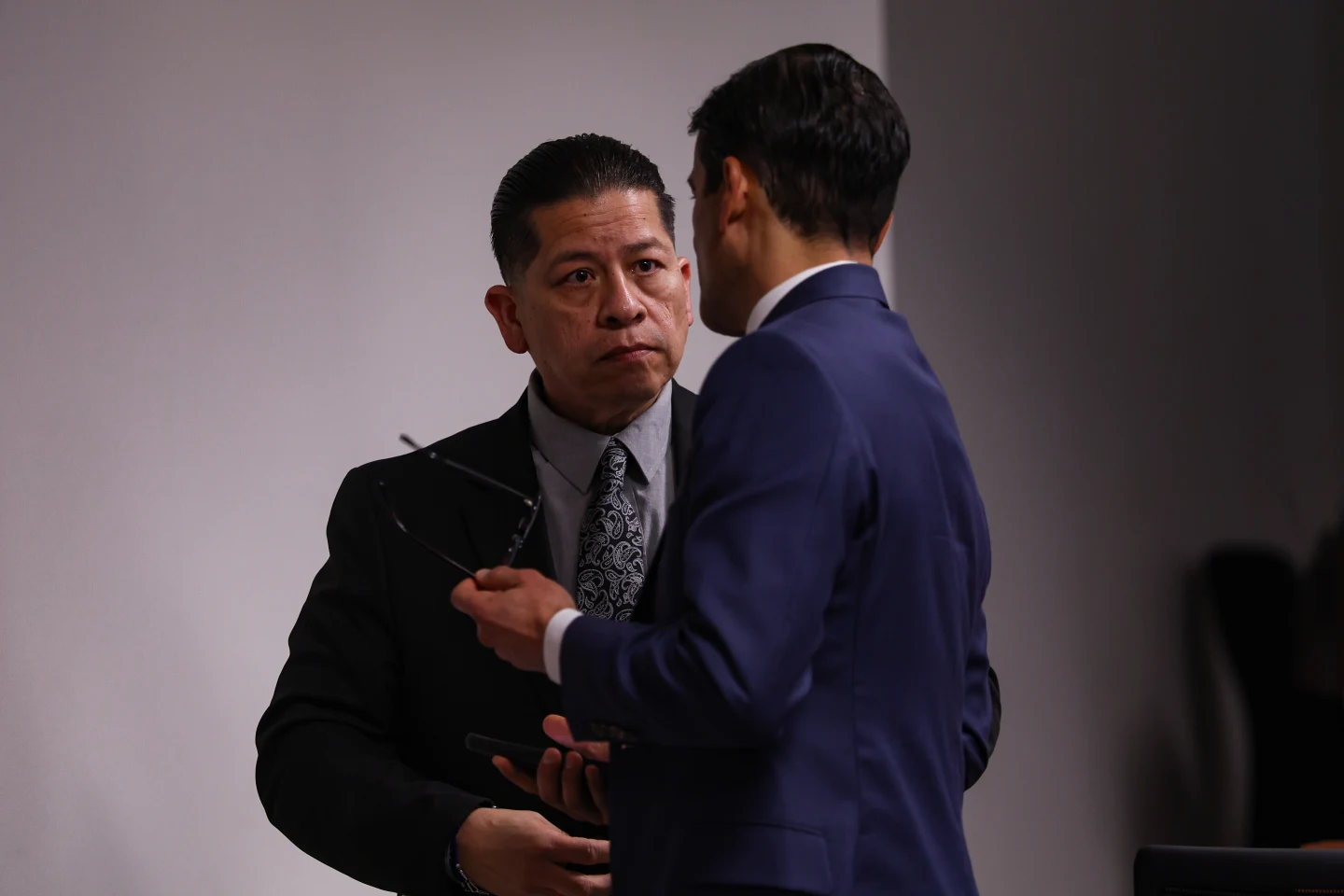
Adrian Gonzales, who has pleaded not guilty, faces 29 counts of child abandonment and endangerment for his actions during the attack that resulted in the deaths of 19 children and two teachers. Jurors will soon hear closing arguments, following nine days of testimony filled with emotional and graphic content.
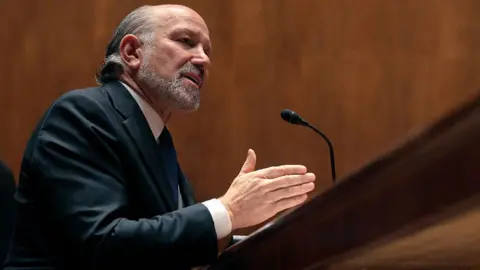
Prosecutors called 36 witnesses in the trial, arguing that Gonzales' failure to act was a breach of duty during a life-threatening situation. Special Prosecutor Bill Turner emphasized the urgency in such instances: Every second counts in an active shooter situation, referring to the critical moments before Gonzales entered the school.
Defense attorneys, on the other hand, called only two witnesses, arguing that Gonzales could not see the shooter and was trying to protect the students inside the school.
The case has drawn significant attention not just for the tragic circumstances but also because it raises larger questions about law enforcement accountability during mass shootings. Gonzales' actions, along with those of others on the scene, are scrutinized alongside the systemic issues of police response in crisis moments.
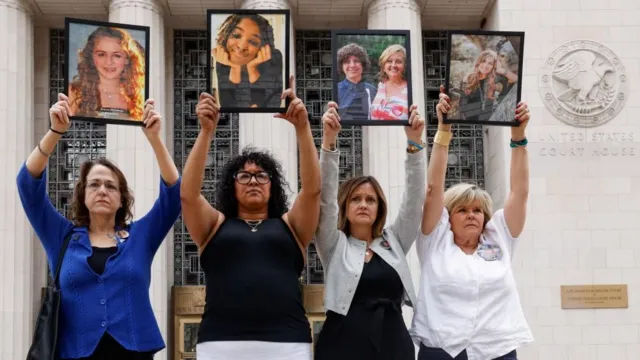
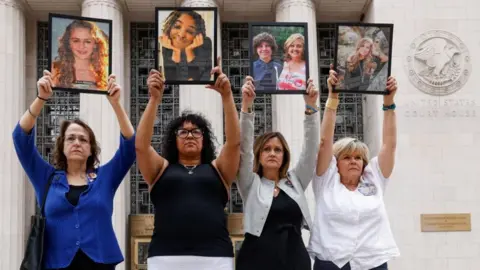
The emotional weight of the testimonies has been palpable, with victims’ families attending the trial, some making the long journey to Corpus Christi where the trial was moved for fairness. Testimonies from teachers vividly described the fear experienced during the shooting, further amplifying the stakes of the trial.
As the jury prepares to deliberate, the implications of the outcomes hold significance beyond Gonzales alone, touching on broader societal concerns regarding safety and law enforcement efficacy in school settings.