Trump Accuses China of 2020 Election Interference Ahead of Midterms
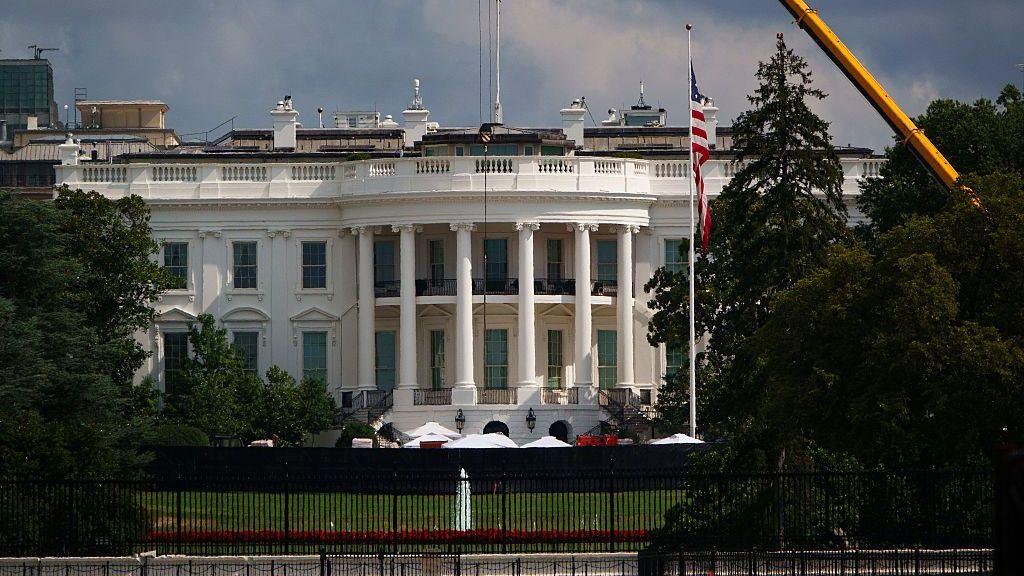
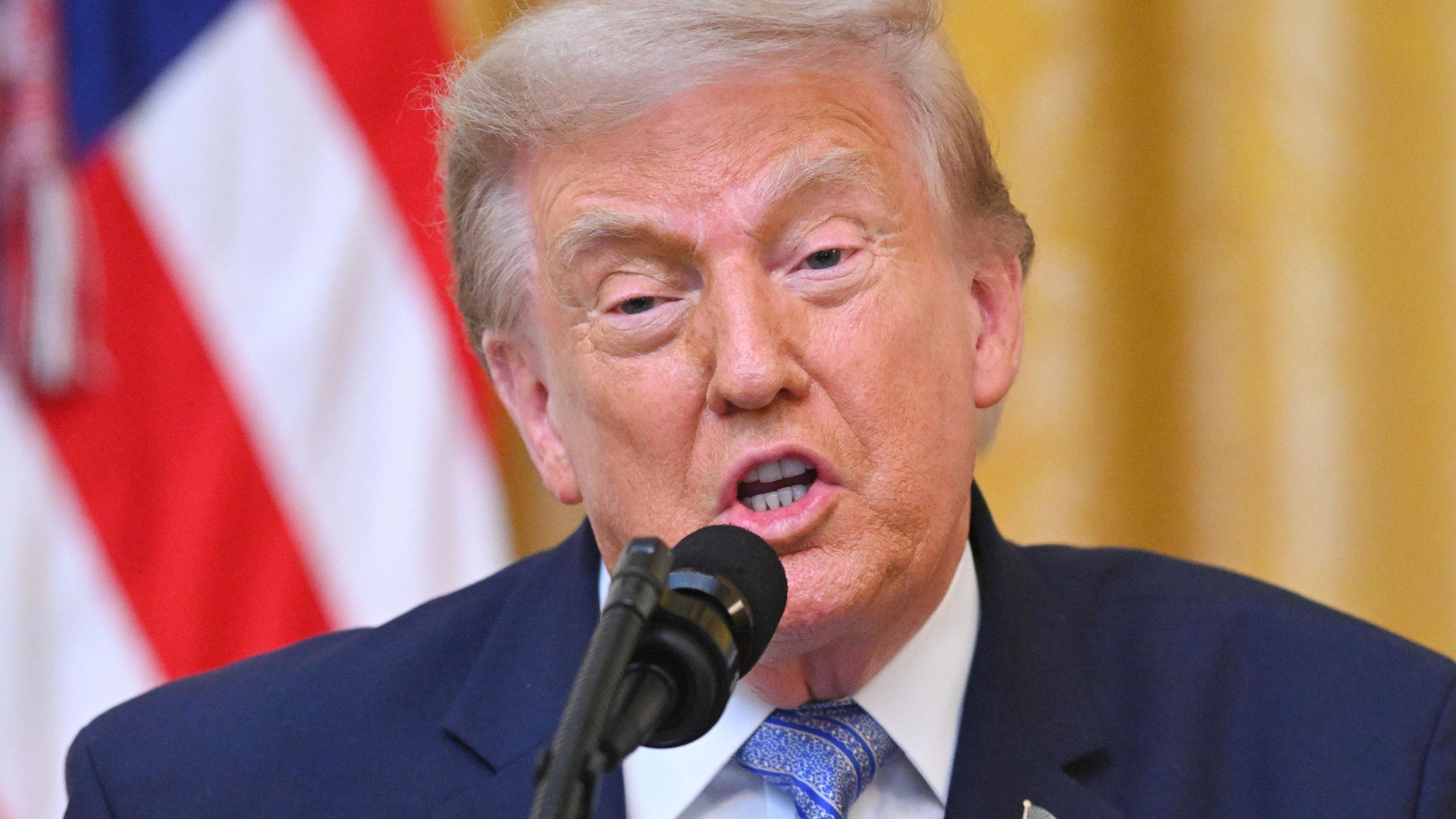
US President Donald Trump delivered a primetime address from the White House, accusing China of meddling in the 2020 election and alleging shocking vulnerabilities in American voting systems.
Trump’s remarks echoed the unsubstantiated claims he has made repeatedly about voter fraud and foreign involvement, despite losing the 2020 election to Joe Biden.
He said he had declassified hundreds of intelligence files that allegedly show Beijing attempted to sway the election in favor of Biden.
The U.S. intelligence community, however, has previously concluded that China did not intervene in the 2020 election.
China’s foreign ministry responded strongly, calling the allegations “entirely fabricated” and describing them as “malicious smears” that have been proven to be groundless.
During the address, Trump accused China of illegally acquiring 220 million voter files and claimed that data from 18 states was bought, stolen, or hacked by Chinese actors, yet no evidence was provided that this information was used to alter election outcomes.
He released hundreds of heavily redacted pages of intelligence documents, which the BBC is reviewing, and urged Congress to support the SAVE America Act—a bill that would ban most mail voting, require proof of citizenship for voter registration, and impose photo ID requirements.
Democratic senators, including Chuck Schumer, condemned the speech, warning that Trump was attempting to undermine confidence in the electoral system and dissuade voters from participating in the upcoming mid‑term elections.
Schumer posted on social media that “Democrats will fight to ensure every American voter can cast their ballot freely,” while former Vice‑President Kamala Harris alleged that the president wanted to silence voters.
Trump also criticized media outlets that did not air his remarks live, suggesting they should have their broadcast licenses revoked.
Despite his claims, the Cybersecurity and Infrastructure Security Agency called the 2020 election the “most secure in American history,” finding no compromise of voting systems.
Trump’s address came after a Washington Post‑Ipsos poll revealed his approval rating had dropped to 37%, with many voters concerned about the cost of living and ongoing conflicts.
Trump’s allegations, the release of the intelligence documents, and the push for the SAVE America Act come in the final months before the mid‑term elections, raising concerns about the integrity of the democratic process and the potential for foreign interference.