Trump Expands Restrictions on Birthright Citizenship with New Executive Orders
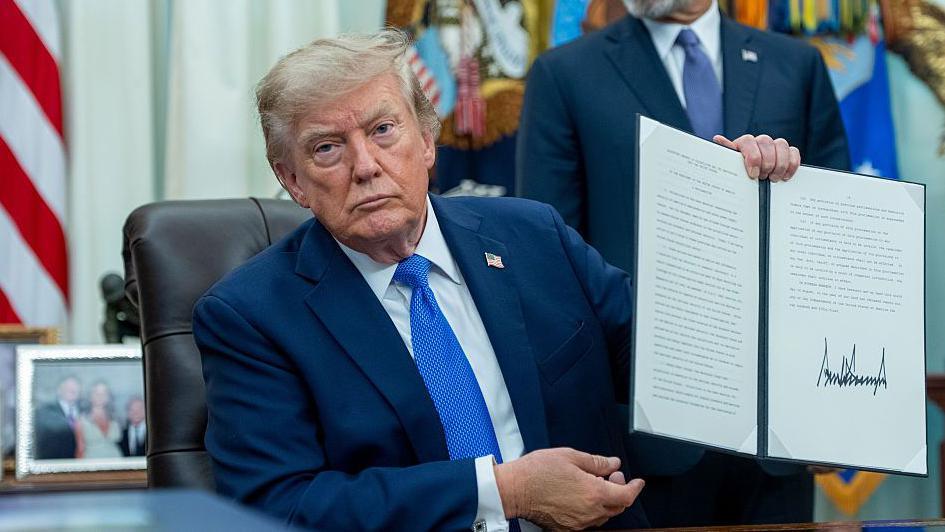
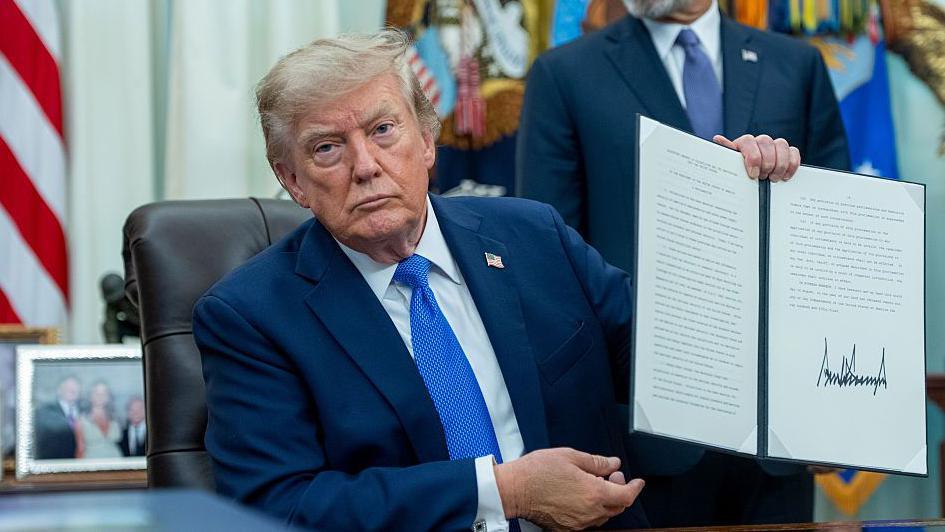
President Donald Trump signed two new executive orders on Thursday that seek to limit the scope of U.S. birthright citizenship, a right that has existed since the 14th Amendment was adopted in 1868. The measures come in the wake of the Supreme Court’s June ruling that struck down Trump’s earlier attempt to abolish the provision entirely.
The first order expands the list of parents who are exempt from automatic citizenship for their children. It includes parents who are members of foreign terrorist groups, those who have employed fraud in gaining residency, or who are residents of U.S. territories where citizenship is not conferred by federal law. The change is intended, the administration says, to guard against “malign foreign actors who attempt to swindle American citizens by taking advantage of the generosity of our Nation.”
The second order directly targets “birth tourism,” the practice of foreign mothers traveling to the United States solely to give birth so that their children automatically become citizens. Trump claimed that hundreds of thousands of babies had been born via this route in recent years—though the Migration Policy Institute estimates only about 22,000 to 26,000 such births each year, and official data recorded 9,600 in 2024.
The White House, quoting Stephen Miller, said the president has the authority to ban birth tourism under the Immigration and Nationality Act. Legal scholars, however, caution that the orders could still face constitutional challenges. Professor Gabriel Chin of UC Davis says the president can restrict arrivals for the purpose of having a child but cannot retroactively strip citizenship from a child already born on U.S. soil.
While civil‑rights groups argue that the orders threaten the birthright citizenship guaranteed by the Constitution, supporters claim they protect national security and curb misuse of public resources. The debate highlights ongoing tensions over immigration policy and the balance between security, economics, and the rights of children born on American soil.