Trump Order to Remove Grey Wolf Protection Sparks Conservation Alarm
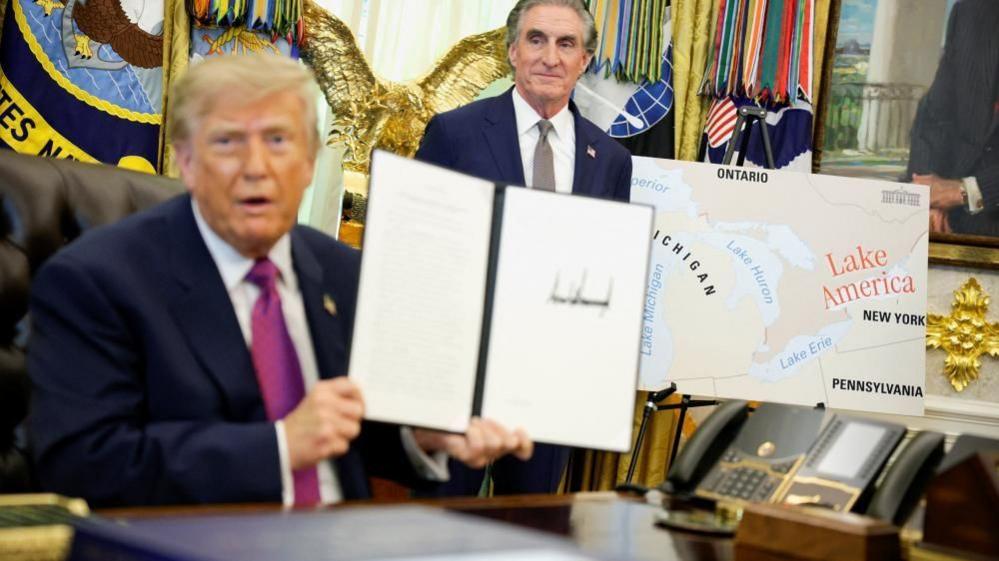
Donald Trump has signed an executive order removing endangered species protection for the grey wolf and its Mexican subspecies.
The order acknowledges ranchers as a “vital role” in America’s food supply chain and cultural heritage, suggesting that eliminating federal safeguards will allow farmers to defend livestock without immediate legal barriers.
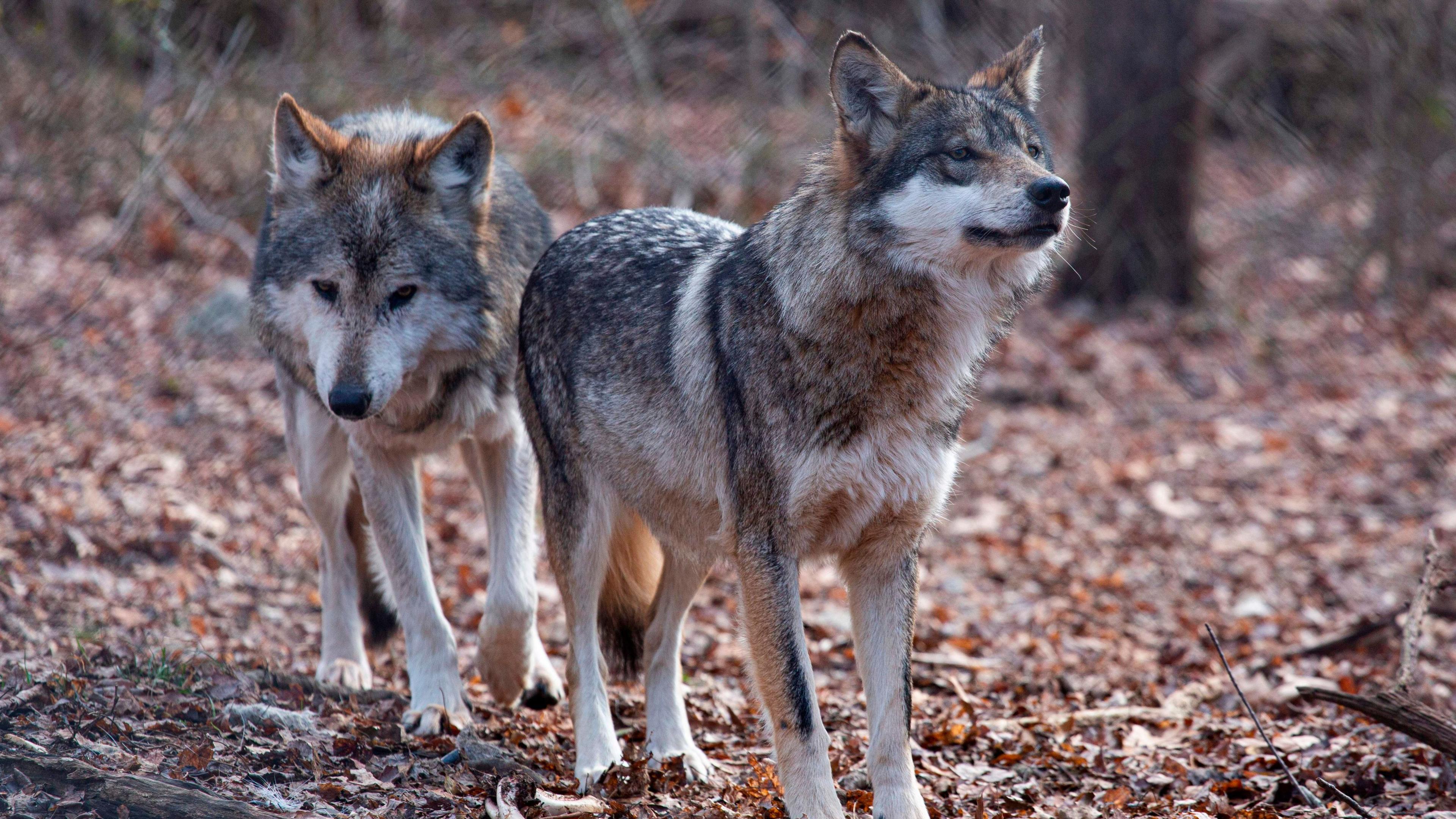
Conservation groups have condemned the decision, arguing that it threatens long‑term recovery efforts for these canines. In 1998, the Mexican wolf was reintroduced with only four individuals; by 2025, wild populations had rebounded to 319, but the federal antibody remains crucial for continued protection.
Currently, about 18,000 grey wolves roam the United States, yet most of their habitat has been lost to human development, leaving them classified as endangered. A prior attempt to delist them in 2022 was halted by litigation, and activists plan to challenge the new order using the Department of Interior’s procedures.
The order does not immediately authorize ranchers to shoot wolves preying on cattle; instead, Interior Secretary Doug Burgum has 90 days to assess whether the populations have recovered enough to be removed from the endangered species list.
In the same breath, the order cites a 75‑year low in livestock herds and a 10% rise in beef demand over the last decade, adding that “more can and should be done to support this critical industry.”
Critics point to studies indicating that wolf attacks on livestock are uncommon and have minimal financial impact on ranchers. Greta Anderson of the Western Watersheds Project says the decision is “a huge distraction to placate a handful of ranchers and make them believe that wolves are a greater threat than President Trump’s own policies.”
Under the current system, ranchers can receive up to 100% compensation for losses caused by wolves, with individual states offering programs to deter attacks.
Claire Musser, executive director of the Grand Canyon Wolf Recovery Project, warned that “the Mexican grey wolf is not recovered simply because the population has grown.” Weakening federal protections now could undermine decades of recovery work.
The order arrives amid a campaign to lower record‑high beef prices driven by drought and a parasite outbreak in US beef stocks. The Trump administration’s loosening of restrictions on beef imports has further strained rancher margins.
Historically, the US government once pursued a systematic extermination of wolves in the late 19th century, complementing efforts by farmers and landowners that nearly drove the species towards eradication. Many ranchers still view wolves as a nuisance, and lethal control is still a federal crime—unless the species is no longer protected.

The debate escalates as ranchers and conservationists clash over who should control wildlife populations and how to balance economic interests with ecological responsibility.