
In brief
President Trump claims "very friendly negotiations" are underway as the US and Iran halt strikes for three consecutive nights. He highlights a hopeful chance for a resolution, yet warns Washington will resume military action if talks collapse. The pause follows a 14‑day exchange of air strikes and retaliatory missile attacks that destabilized the Strait of Hormuz and the Gulf. Iran denies direct talks, while US officials assure ample ammunition supplies. The debate underscores the fragile balance between aggression and diplomacy in the region.
President Donald Trump says “there are very friendly negotiations” underway about the conflict with Iran, after the warring sides did not exchange strikes for a third straight day.
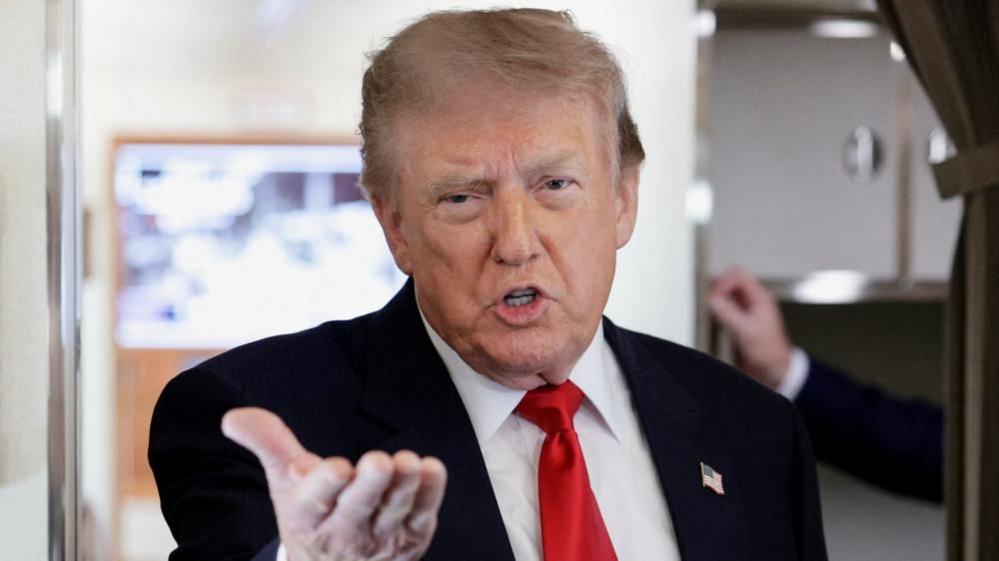
On the presidential plane, Trump told reporters that a “good chance” exists for something to happen, expressing optimism that the war could end. He cautioned that Washington would return to its previous military posture if the talks fail.
Tehran has denied any direct negotiations are happening. Trump explained he paused US strikes on Friday because “countries mediating… asked me to give the talks another chance.” Iran also halted attacks during this lull.
US forces have been carrying out daily strikes for nearly two weeks, aiming to reduce Iran’s ability to threaten commercial shipping in the Strait of Hormuz. The pause interrupts a ceasefire reached in June and follows Iranian missile and drone attacks on US bases in Gulf states and on Israeli targets.
Oil prices fell more than 9% on Monday, partly due to hopes of de‑escalation. Trump dismissed reports that US ammunition stockpiles might be low, stating the country has more than enough ammo and new Patriot missile systems are being built.
White House spokesperson Anna Kelly affirmed that the US military possesses sufficient munitions and that America continues to manufacture high‑quality weapons.
