Trump‑Xi Summit: What Was Undisclosed Might Matter Most
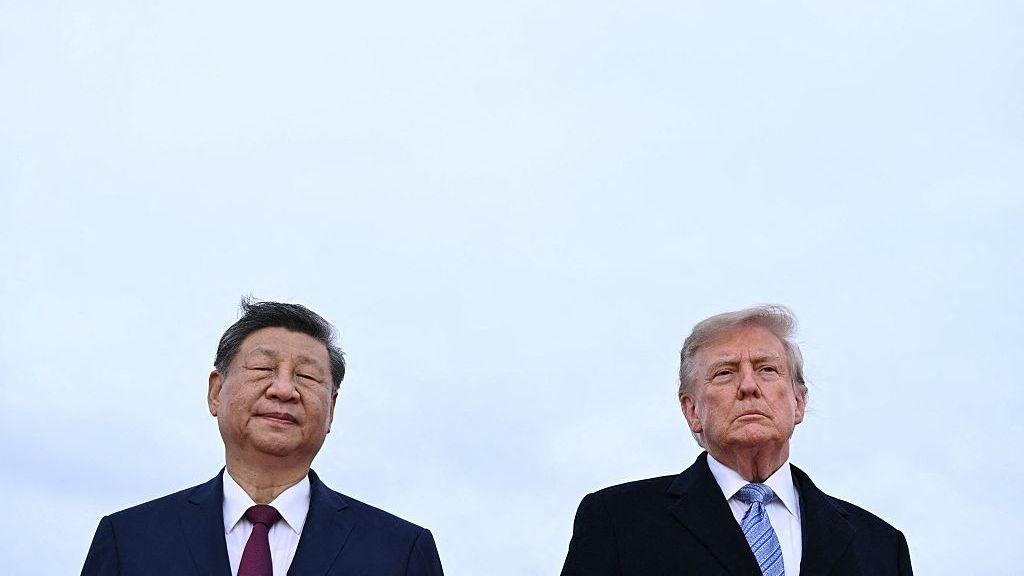
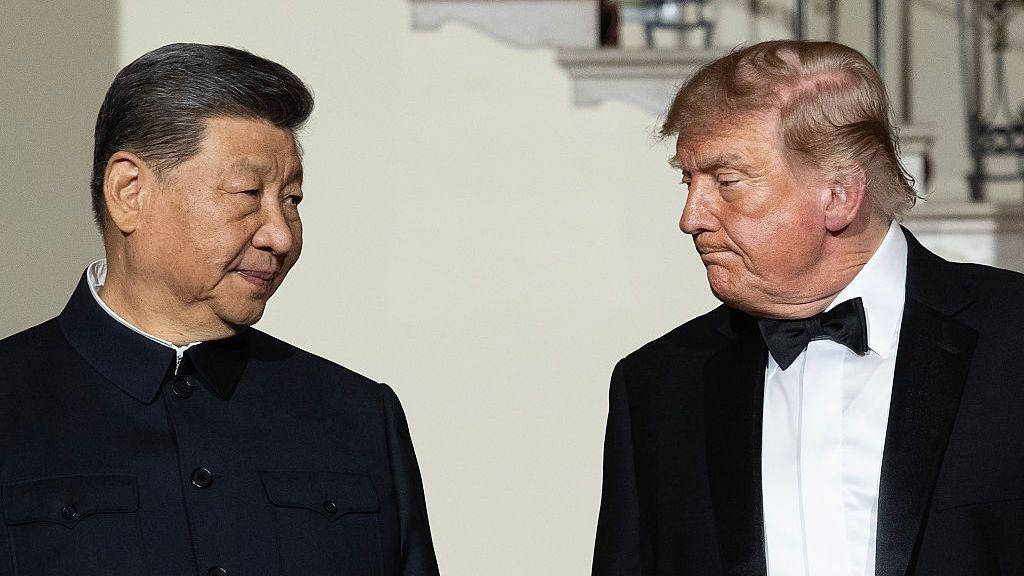
On Monday, China released additional details on the brief meeting between President Donald Trump and President‑elect Xi Jinping in Washington last week. The information highlighted a handful of concrete outcomes but left the biggest questions unanswered.
New AI Dialogue and Communication Channels
Both sides agreed to launch an AI dialogue, with follow‑up talks slated for the end of November. A dedicated communication channel will be set up to manage AI‑related incidents, aiming to prevent misunderstandings from escalating into conflict. This move follows growing concerns over the role of artificial intelligence in military and commercial strategy.
A Two‑Month Trade Truce
China confirmed that the trade truce, previously in place, will be extended until 10 January. The extension secures a brief pause in tariff disputes as both leaders head to major international summits later this year. The US gained tariff cuts on about $30 bn of goods, including toys and household items, while Beijing secured a pledge to purchase at least 10 million metric‑tonn of coal each year in 2027 and 2028. However, the talks made no progress on China‑supply chain issues, rare earth exports or semiconductor restrictions.
Silent on Taiwan
The White House brief did not mention Taiwan. Beijing, however, urged Trump to firmly oppose any moves toward Taiwan independence and confirmed that foreign policy on the island would remain a priority. Trump admitted only a vague discussion on Taiwan, suggesting the US might not commit significant military support, a point that could influence regional stability.
Opening Financial Doors
China announced it will allow more foreign financial firms to apply to operate in China, though approvals will still be governed by Chinese law. The move is a nod to deeper economic ties, but the exact regulatory details remain opaque. The US, meanwhile, continues to advise its citizens to exercise caution when travelling to China and has not extended its visa‑free rule to Americans.
What Lies Ahead
The summit largely produced dialogue rather than decisive policy shifts. While the leaders have both signalled a desire for steadier communication, strategic confrontation points such as advanced technology rivalry and Taiwan remain unresolved. The situation underscores the classic pattern of US‑China diplomacy: connecting channels, modest economic concessions, and a persistent stance of cautious engagement.