Trump’s Helipad Launch Sparks Media Boycott
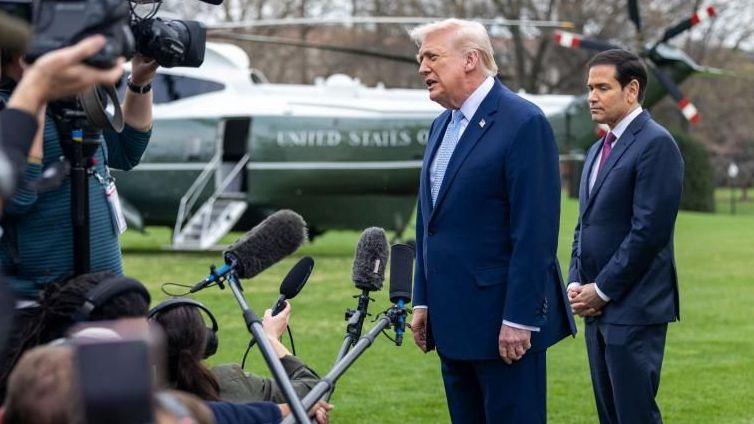
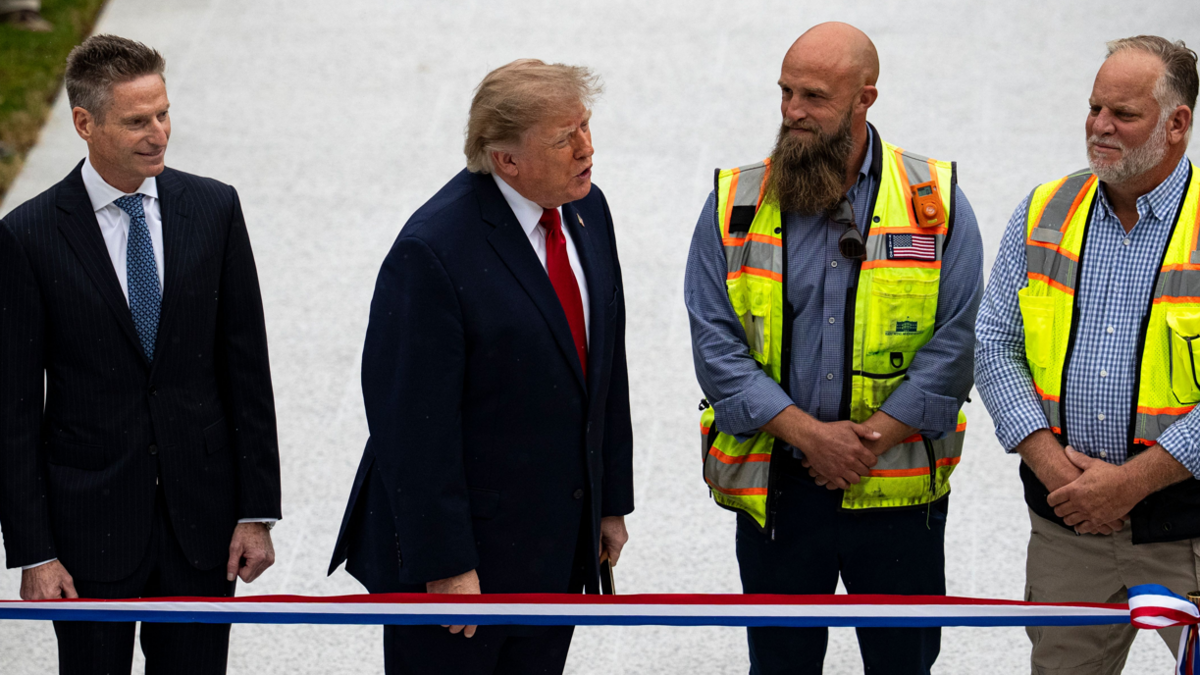
On Monday, President Donald Trump cut the ribbon for a new helipad on the White House South Lawn. In live footage the remarks came almost lost to a cacophony of microphones that had gone dark, a result of the administration’s refusal to allow the five‑network TV pool to participate.

The dispute began when Trump announced that the White House would ban three outlets – CNN, Politico and MS NOW – accusing the outlets of rendering “fake news.” The ban was enacted by revoking credentials on Friday, after which the five major television networks – CNN, ABC, CBS, Fox News and NBC – said they would boycott the official presidential pool and refuse to cover Trump events that are designated as pool coverage.
The White House Press Pool Explained
The press pool functions by grouping a handful of news organisations, each covering the president and the administration from different venues. On the radio, print, TV and new‑media sides there are distinct pools – a practical arrangement that has existed for decades. The groups share footage, audio and written accounts with the wider media and are first responders for any national address from the president. The current boycott means that for the first time the UV‑law has taken a vacuum: no cameras or microphones of the pool are on site, and many media teams have removed hard‑copy material from White House briefings.
First Amendment and the Legal Firefight
In a joint statement Friday, the five networks cited the First Amendment and for the first time referred to the 1972 Supreme Court decision that the government may not discriminate against media based on the content of their coverage. CNN, Politico and MS NOW took the step of filing a complaint to the Department of Justice, demanding that the “banning” shut down be reversed. The legal challenge will be heard by Wednesday, but the networks’ in‑house coverage over the next week will be effectively crippled.
Trump’s Reply: ‘Two‑way Street’ and a New YouTube Channel
On Truth Social Trump branded the banned outlets “third‑rate” and “crooked” and announced that his White House would launch “Trump TV”, a YouTube‑based stream that covers his speeches and rallies. The channel is largely a replay feed, but it represents the administration’s attempt to control the narrative independently of the traditional press pool. The move has also left traditional “secondary” crew members – such as Real America’s Voice – as the only accredited distribution channel for Trump’s New York trips.
Past Examples of Media Restriction
Federal executives have not always been tolerant of hostile media. In February, the White House announced it would take full control of the press pool, after taking action to bar Associated Press “Catalan” coverage from specific spaces such as the Oval Office. The Obama administration, in 2009, had almost bar Fox News from a single interview with an official, but after pressure the ban was rescinded. Trump’s decision to exclude three outlets from all pool duty marks a sharper cut than his predecessors.
What to Watch Next
The legal hearing is scheduled for Wednesday. The White House’s future of official televised coverage will hinge on the judgement. If the court rules that the administration’s ban violates the First Amendment, the TV pool will likely resume. If the ruling confirms Trump’s right to regulate the pool, a new media ecosystem – at least within the White House – could emerge, potentially increasing the administration's ability to shape its own narrative.