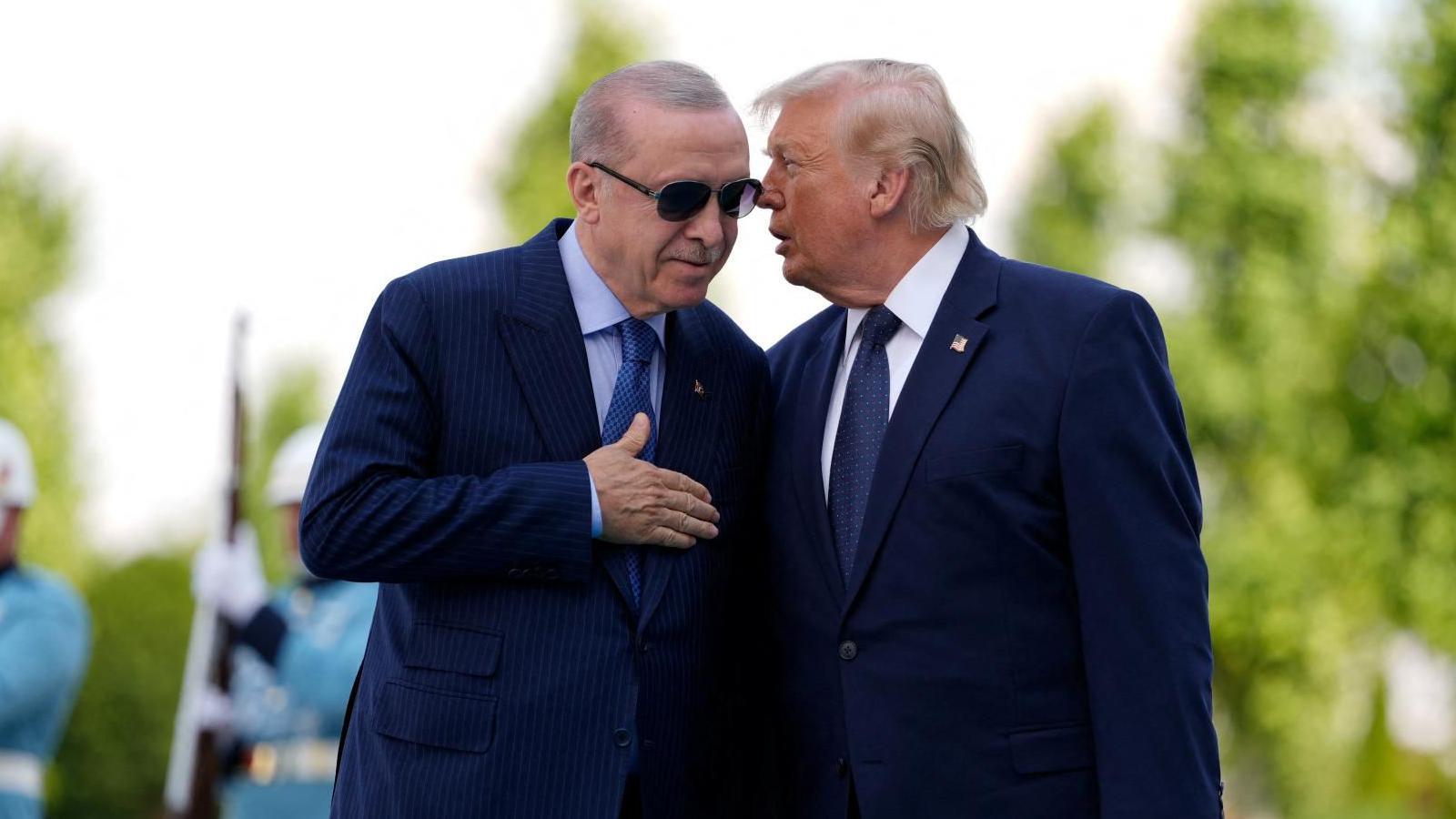
The NATO summit in Ankara was a stage where U.S. President Donald Trump’s presence felt more prominent than any other shape of diplomacy. Turkey’s Recep Tayyip Erdogan escorted him to the airport, and they walked arm‑in‑arm as a band played the U.S. anthem. The spectacle was a reminder of the personal rapport between the two leaders, yet Trump was quick to shred NATO’s collective values in the weeks leading to the event.
Trump’s comments were unmistakably defensive. He repeated his suggestion that the U.S. should take control of Greenland, criticised Britain’s decision to allow U.S. airstrikes against Iran from British bases, and reminded the world that the U.S. was ready to help if allies needed it—while simultaneously implying the opposite after the fact.
These remarks made headlines, but the summit’s real agenda was about Europe’s future defence. Delegates unveiled new contracts for a fleet of transport aircraft from Airbus, and a plan to replace old AWACS with Sweden’s Gladio‑Eye planes. These moves were designed to strengthen the alliance’s structure after American forces have gradually pulled back.
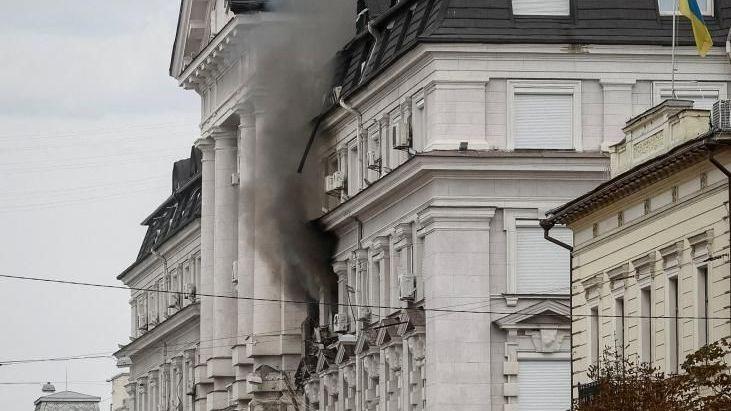
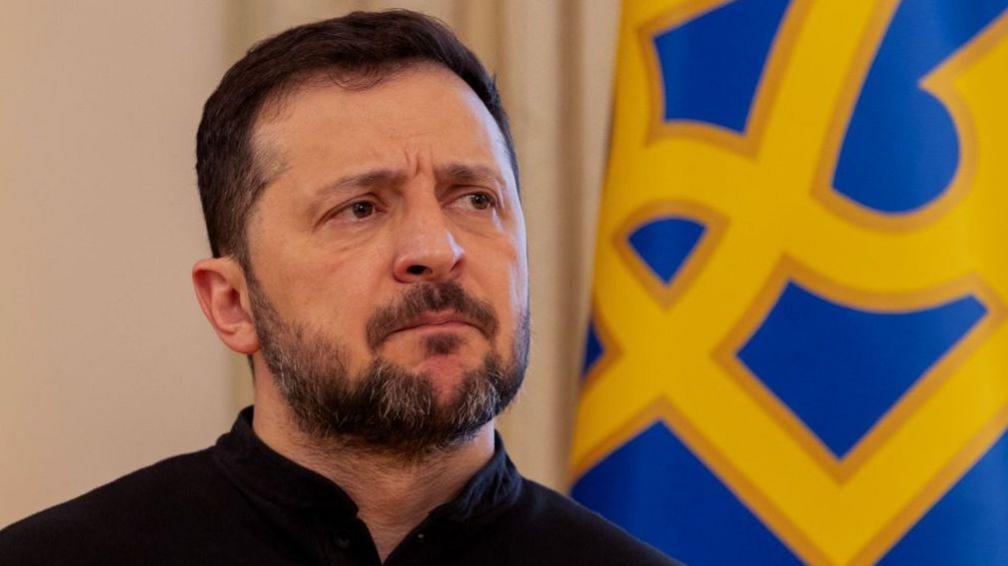
Amid the focus on re‑arming occurs, the urgent voice of Ukrainian President Volodymyr Zelensky pushed for immediate anti‑ballistic systems. He highlighted recent Russian missiles that struck residential areas and underlined the shortage of interceptors. Zelensky warned that a pause in hostilities could spark a rapid Russian re‑armament, potentially threatening NATO territory by the next decade.
In the background of fun, the United Kingdom’s prime minister arrived to discuss defence investment plans that critics argue are insufficient. Still, the banners across Ankara’s streets emphasised “The Key to Peace.” Whether this slogan masks a deficiency of collective defence remains unclear.
As the summit rolled on, the main take‑away was that Europe is poised to step out of the American security shadow. Yet Trump’s vocal scepticism and the mixed messages from allied leaders point to a tension between unity and individual ambition inside NATO.