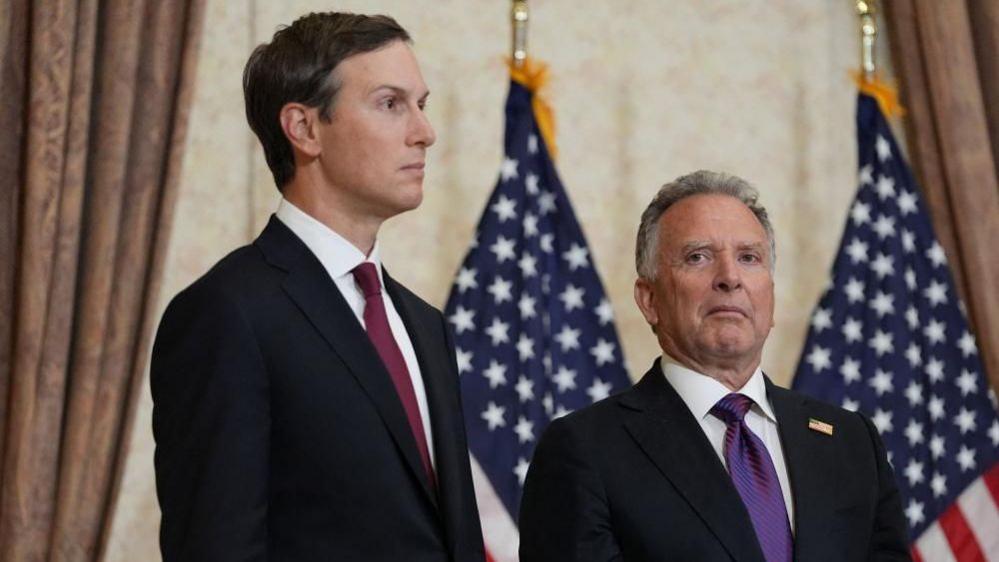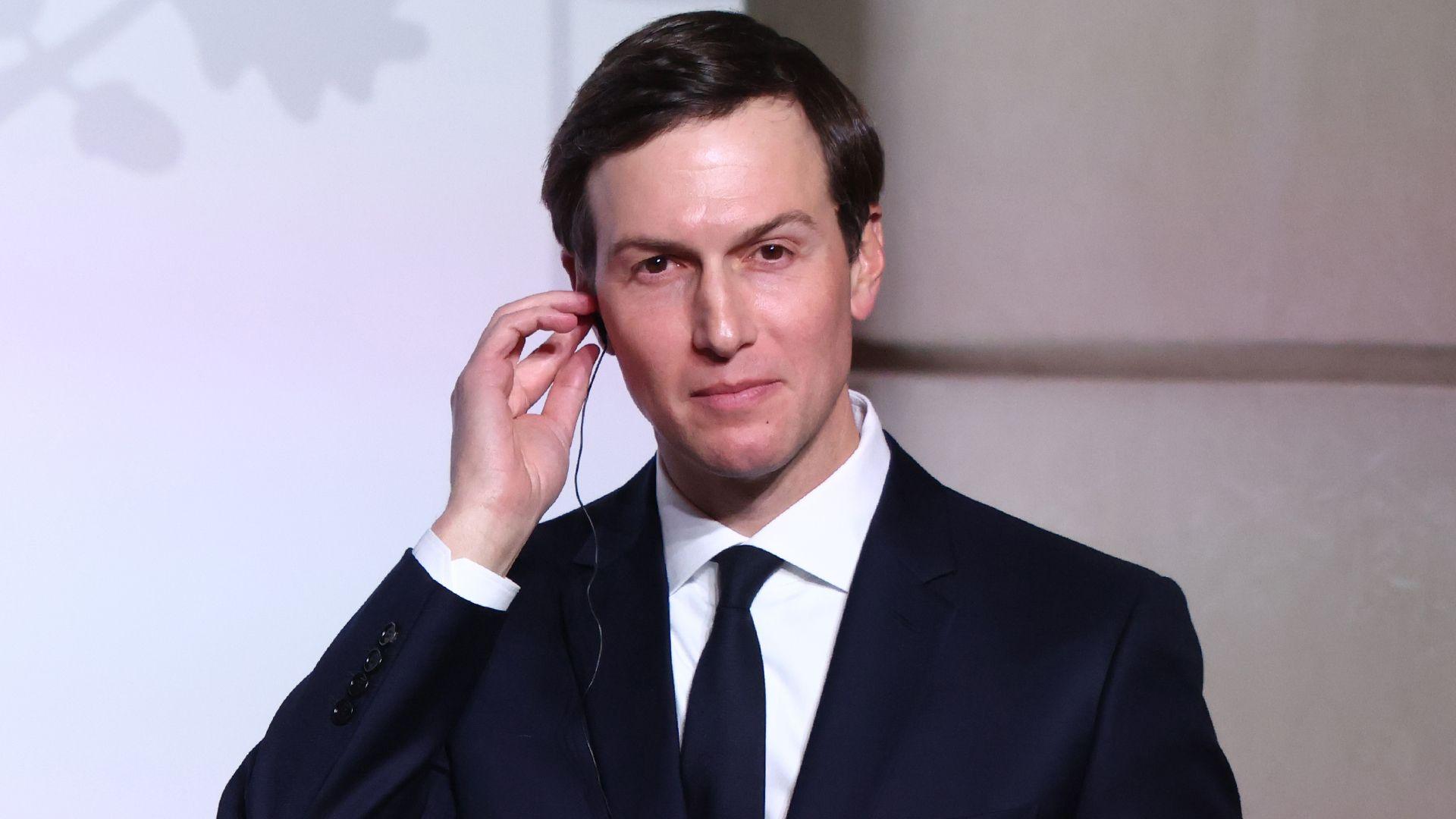
In a move that points to shifting dynamics in the Middle East, Jared Kushner – former U.S. Deputy National Security Adviser and Trump’s son‑in‑law – convened a conference‑style meeting with Israeli Prime Minister Benjamin Netanyahu after a week‑long dialogue with representatives of Hamas. The exchange followed a consensus that the United Nations‑backed plan drafted by the U.S. “Board of Peace” could be revived, provided that the Palestinian militant group had handed over its firearms in full to prevent any re‑armament.
State and diplomatic insistence that Hamas disarm before Israel withdraws its troops has repeatedly stalled progress. Netanyahu’s office previously rejected a 15‑point Gaza roadmap that called for a complete U.S.‑led halt to Israeli operations, withdrawal of the Israel Defence Forces from the characterised “Yellow Line” and a new civilian administration in Gaza. They re‑affirmed that no reconstruction would transpire without "complete disarmament" – and that the weapons should be destroyed rather than stored in an alternative Palestinian command structure.
Hamas, for its part, insisted that the “Board of Peace” must compel Israel to adopt the plan, following a recent talk with Kushner that was confirmed by the senior threat‑detection corps of Cairo’s security office. That conversation was the first of this kind since the 2022 cease‑fire agreement that had ended the dead‑match between Hamas and the Israeli army.
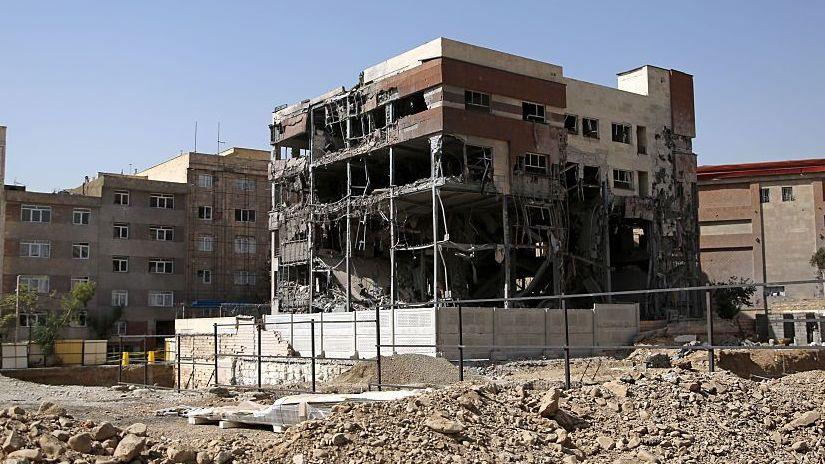
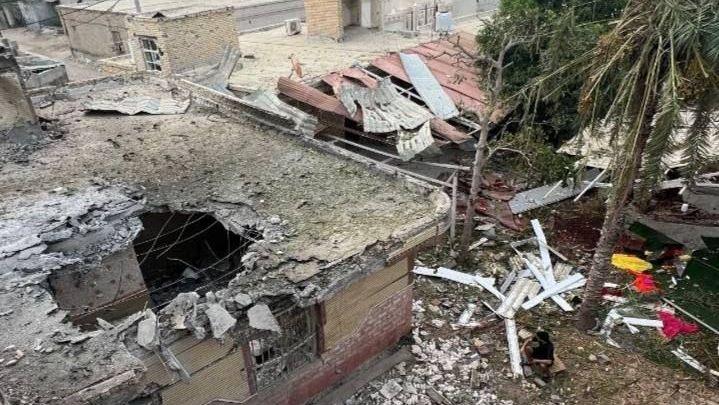
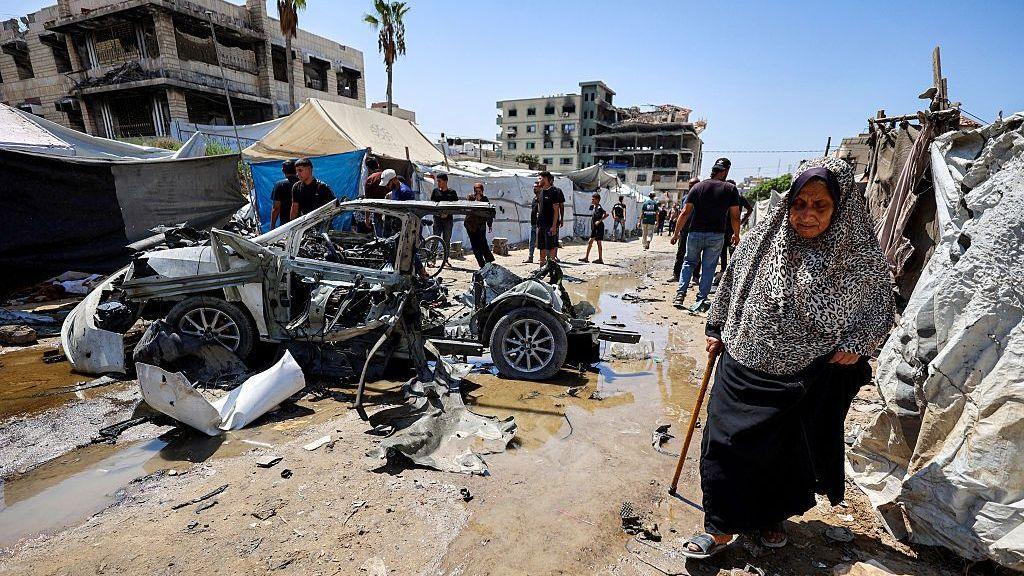
International reaction added gravity to the peace debate. Muslim‑majority countries – including Egypt, the UAE, Qatar, Saudi Arabia, Jordan and Turkey – warned that Israel’s refusal placed the U.S. Board of Peace struggle in jeopardy. A pause in Israeli airstrikes was reported on the day of the meeting, though the occupation forces had continued strikes, largely targeting “terrorist” neighborhoods in Gaza.
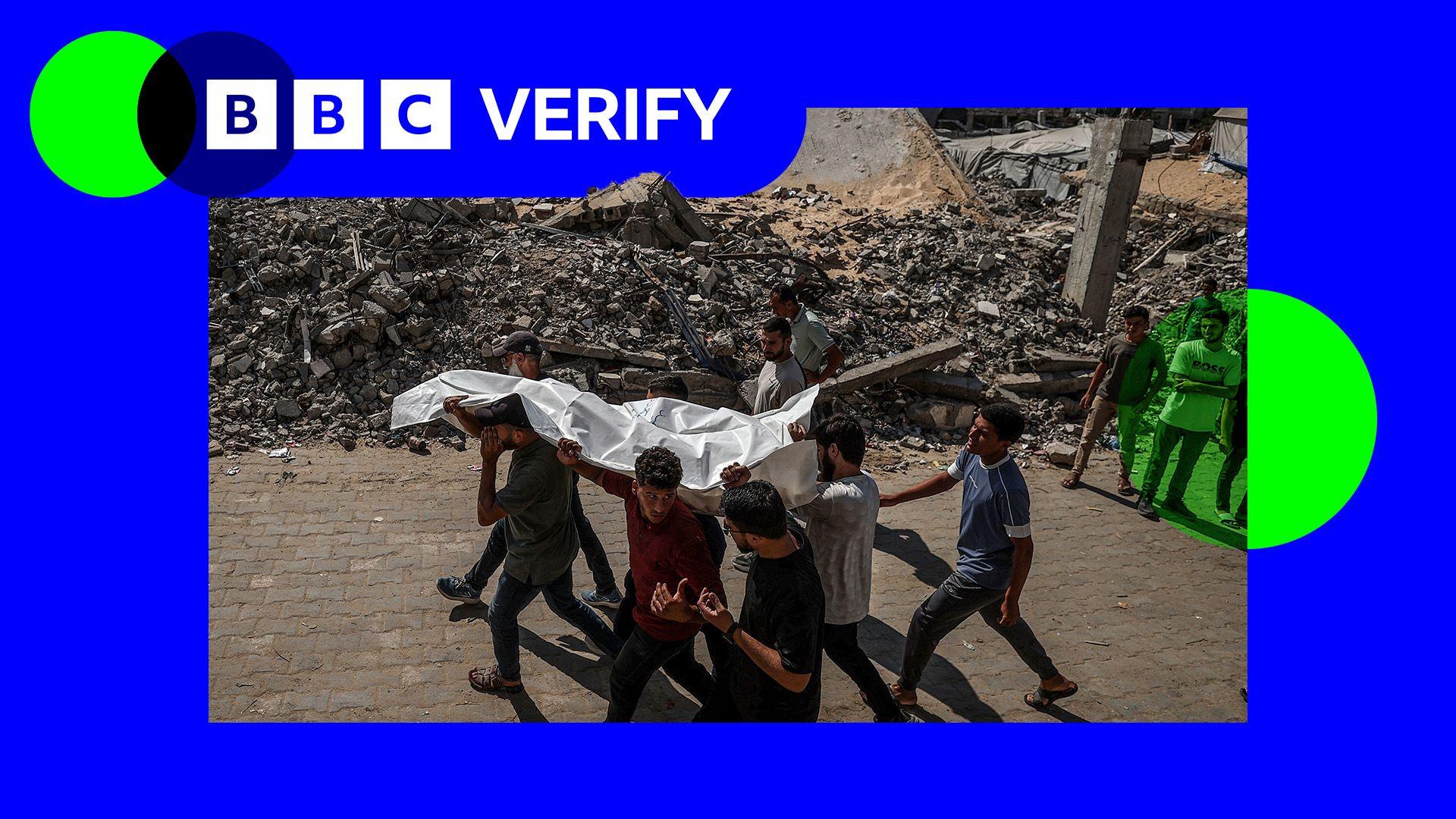
The United Nations estimates that the Gaza Strip’s population – roughly 1.9 million people – has been displaced since September 2023. In that time, the territory’s health ministry, which is considered a reliable source by the UN, has recorded over 1,200 casualties, with UNICEF noting at least 300 children killed.

While the bright lights of hopeful negotiation shine, internal Israeli politics add complexity. The far‑right National Security Minister Itamar Ben‑Gvir has called for targeted eliminations in Gaza, spurring high‑level debate over the region’s humanitarian dimension. Netanyahu’s willingness to defy the U.S. precedent might define the coming weeks, as he balances the internal political fervor of his coalition against a pressing international balancing act.
The path forward is contested, but a new window of dialogue has opened, offering a chance for the U.S. Board of Peace to reinvigorate its Gaza peace plan and perhaps bring a broader, more sustainable understanding of regional security and reconstruction.