
In brief
In a nighttime White House speech just three months before the 2024 midterms, Donald Trump alleged that China sought to influence the 2020 election and that American voting machines are exposed to foreign attack. The president claimed he had declassified hundreds of intelligence files, but no evidence has been produced to substantiate claims of Chinese interference. U.S. officials state that China did not meddle in 2020, and Democrats have criticized Trump’s remarks as political rhetoric aimed at undermining confidence in the electoral process. Trump’s address also pushed for the SAVE America Act, a bill that limits mail‑in voting and requires proof of citizenship, amid stalled legislative action. The speech is expected to deepen partisan tensions without altering the factual security landscape of U.S. elections.
Trump’s midnight warning
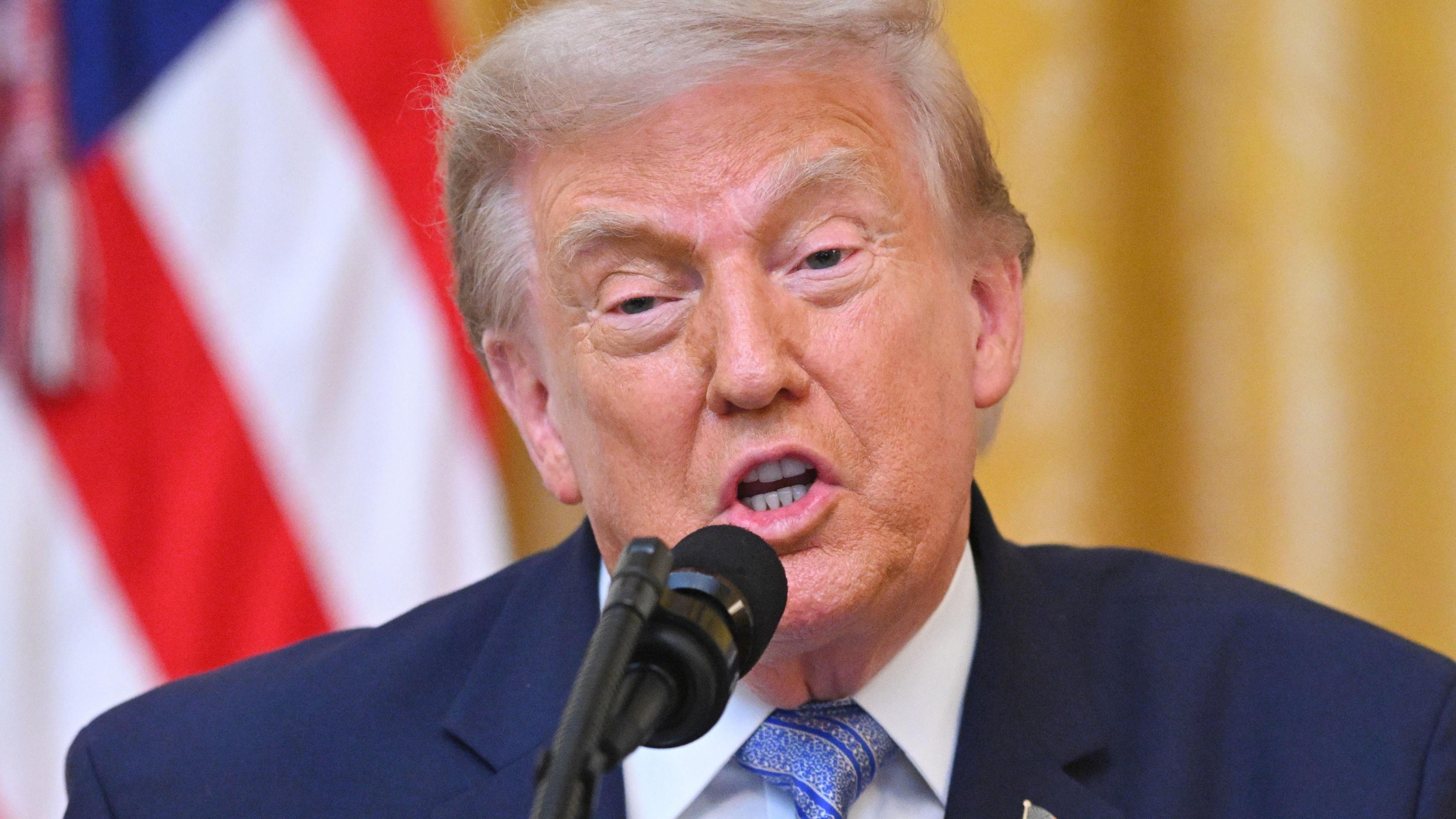
At 10:15 a.m. White House time, former President Donald Trump gave a half‑hour address that was broadcast to the country. He claimed that Beijing had sought to sway the 2020 election and that U.S. voting systems contain “shocking vulnerabilities” that allow foreign adversaries to interfere. He said he had revealed declassified intelligence files showing that China had attempted to acquire 220 million voter records.
No evidence of Chinese meddling
The U.S. intelligence community, including the National Intelligence Council, has repeatedly stated that China did not play a role in the 2020 presidential election. The 2021 report confirmed that any potential influence efforts were not deployed because the outcome was not seen as strategically advantageous.
Political backlash
Democratic leaders, including Senate Minority Leader Chuck Schumer, denounced the remarks as an attempt by the former president to sow distrust in the electoral process before November’s midterms. Schumer called on voters to be confident that the system is secure and to continue casting their ballots.
The SAVE America Act
Trump ended his speech by urging Congress to pass the SAVE America Act, a bill that would curb mail‑in voting, require proof of citizenship for registration, and impose photo identity checks at polling places. The act has stalled in the Senate for months.
Context and likely impact
The address follows a Washington Post‑Ipsos poll that showed Trump’s approval rating falling to 37 percent, a decline linked to public fatigue over the cost of living and tensions abroad. The speech is expected to add to partisan polarization but is unlikely to change the technical reality that no credible evidence has shown China or any other foreign nation to have disrupted U.S. elections.
