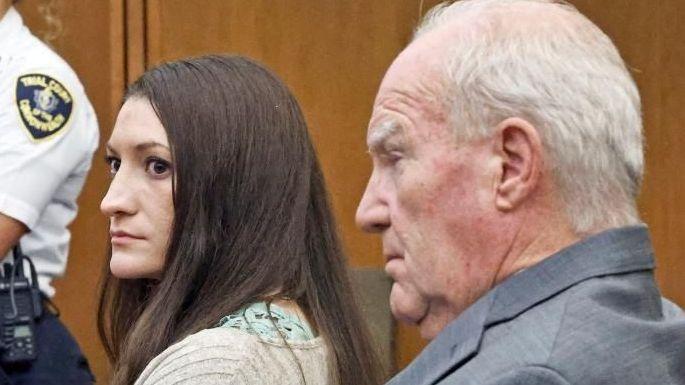
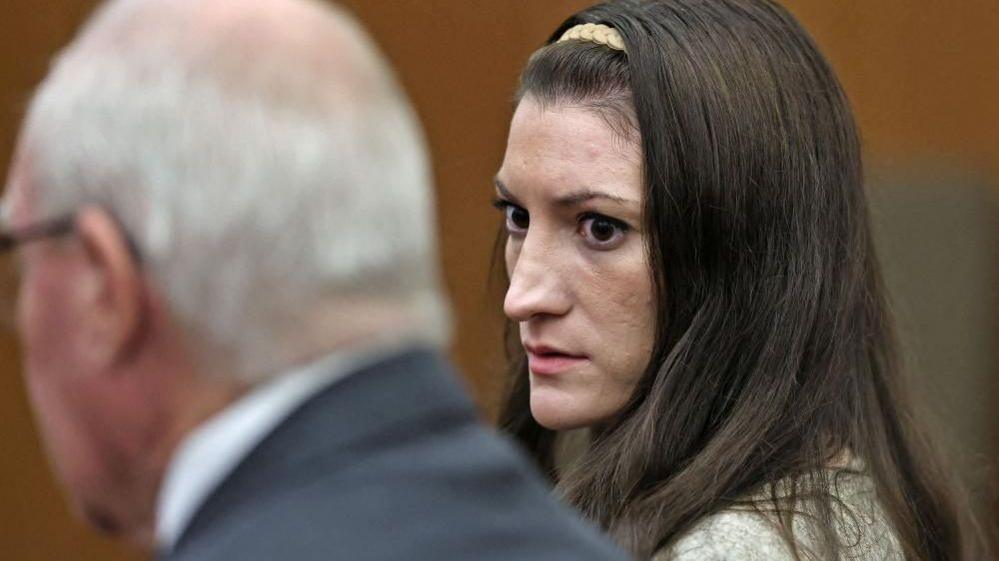
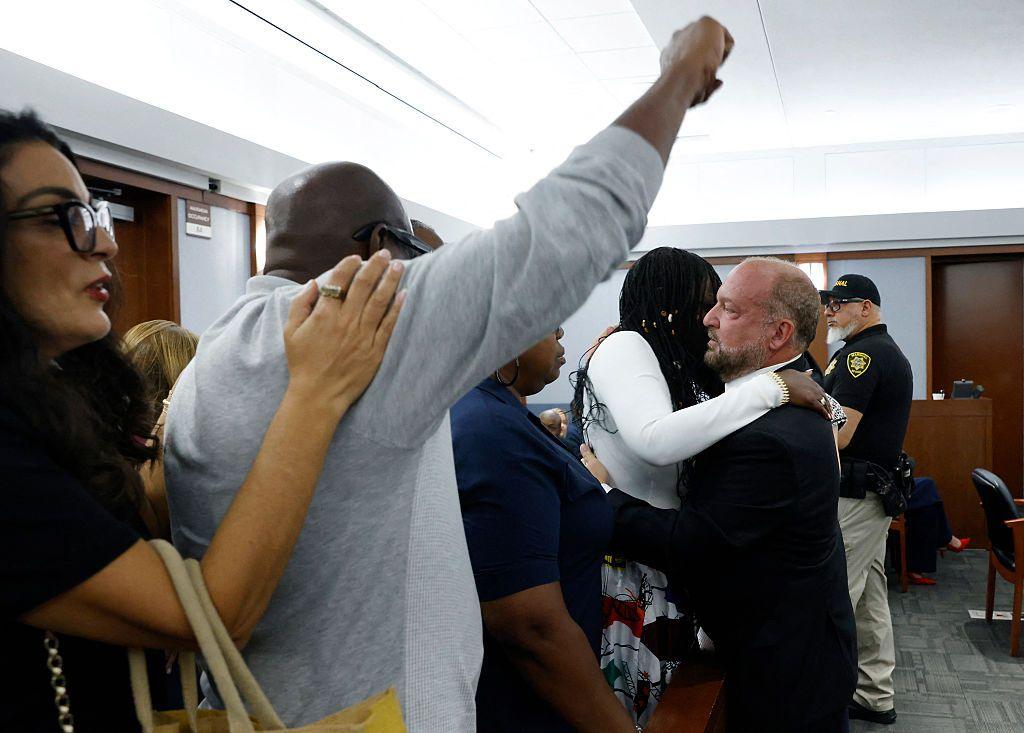
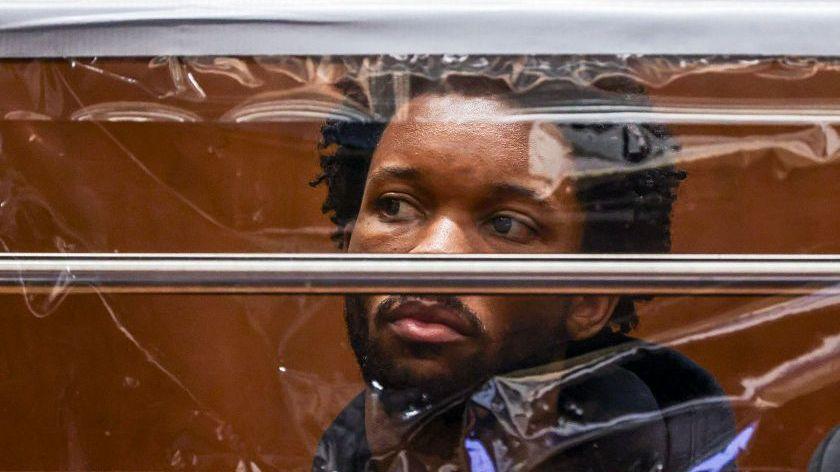
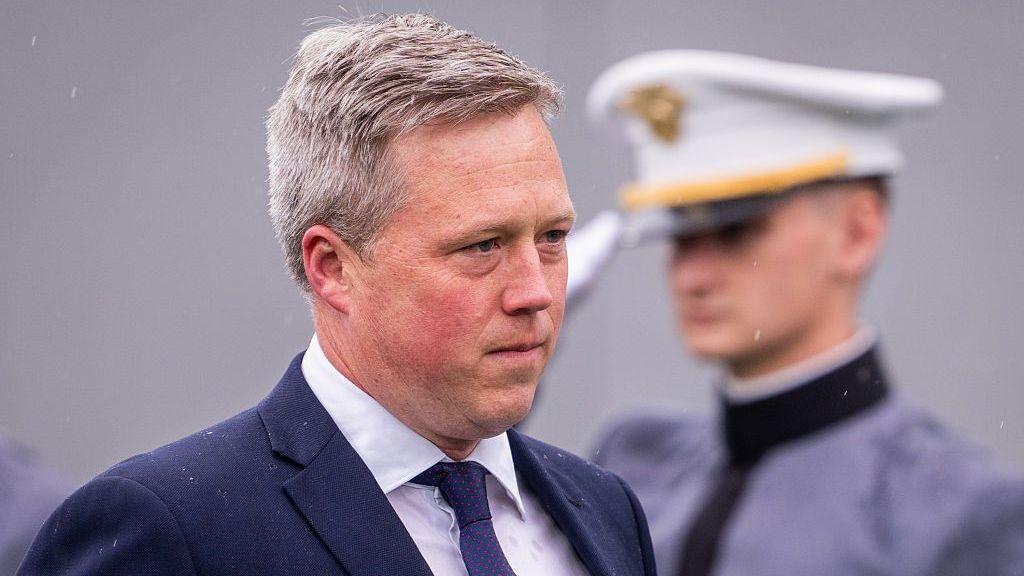
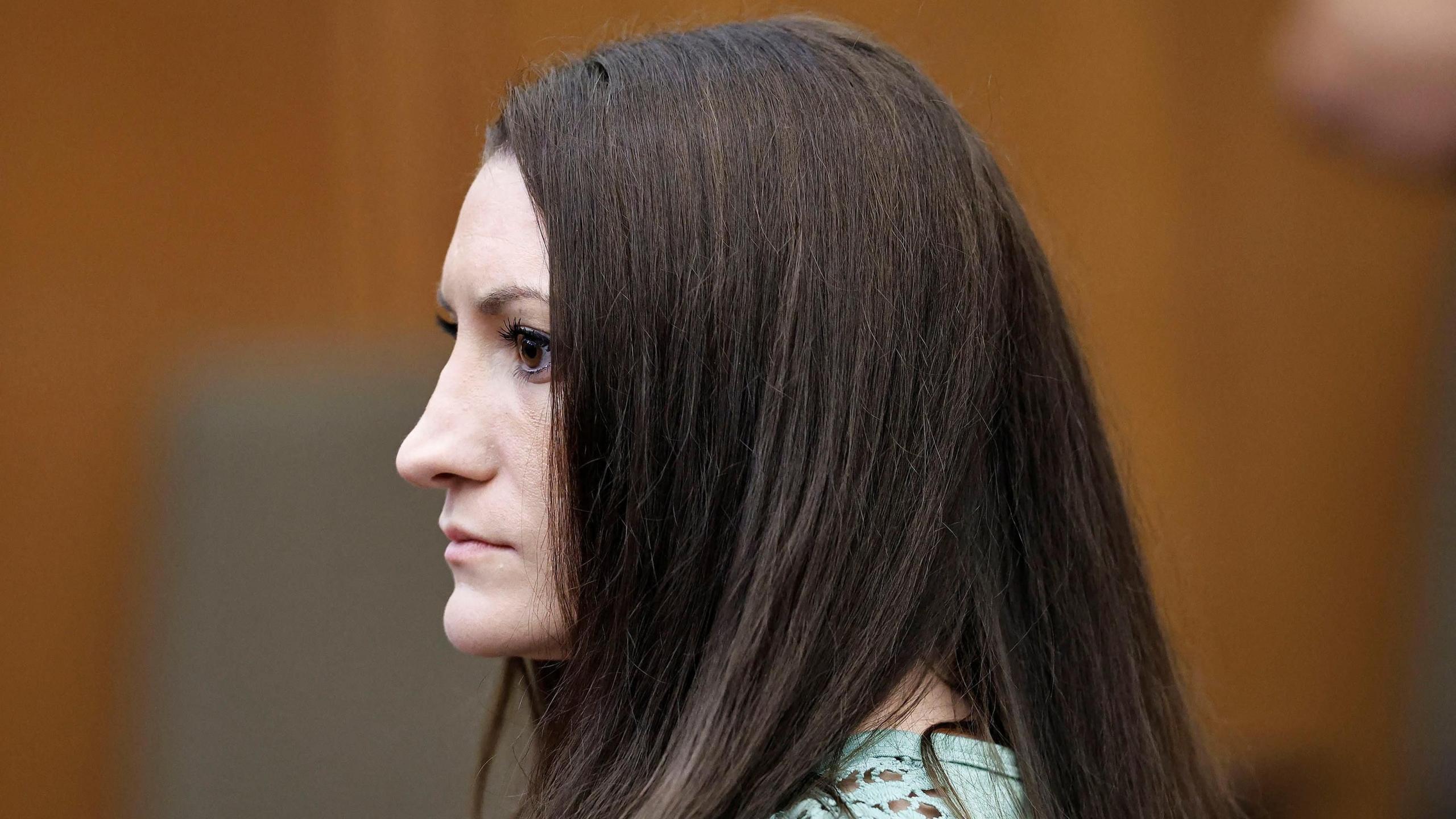
The courtroom at the Las Vegas County Courthouse draws a crowd as news spreads that Duane "Keffe D" Davis, a former gang leader, stands accused of murdering hip‑hop legend Tupac Shakur in 1996. The case revolves around a single count of murder with a deadly weapon and Davis has pleaded not guilty.
Prosecutors opened their case with a narrative that links the drive‑by shooting in which Shakur was struck to Davis’s criminal background and a network of associates who allegedly used his influence to facilitate the act. They presented forensic evidence, witness testimony and photographs of the victim’s injuries that they claim directly tie Davis to the crime scene.
The defense countered by questioning the reliability of key evidence, arguing that the prosecution had not clearly established Davis’ presence at the shooting. They also highlighted conflicting testimonies from witnesses who had known Davis during that period, pointing out that other potential suspects could also have been involved.
Both sides, however, agreed on a common theme: the tragic loss of a cultural icon and the enduring quest for justice. While the nation watches, the July court continues to unfold, pushing forward a trial steeped in unresolved questions and public curiosity.