UK and US Troops Depart Iraq, Ending Decade‑Long Mission
The final group of British and American soldiers has left Iraq, concluding a campaign that ran from 2014 until 2026.
Sometime in early September the last 100 UK personnel made their way out of Irbil, the northern Kurdish city that had served as a hub for coalition operations. Their departure was carefully staged alongside U.S. forces that left the same week, in line with a 2014 agreement that called for foreign troops to withdraw by the end of the year.
Prime Minister Ali al‑Zaidi celebrated the event as “Iraq’s transition to a phase in which it assumes full responsibility for its security and stability.” In a statement, the Iraqi government also announced four national “Sovereignty Days” to commemorate the exit.
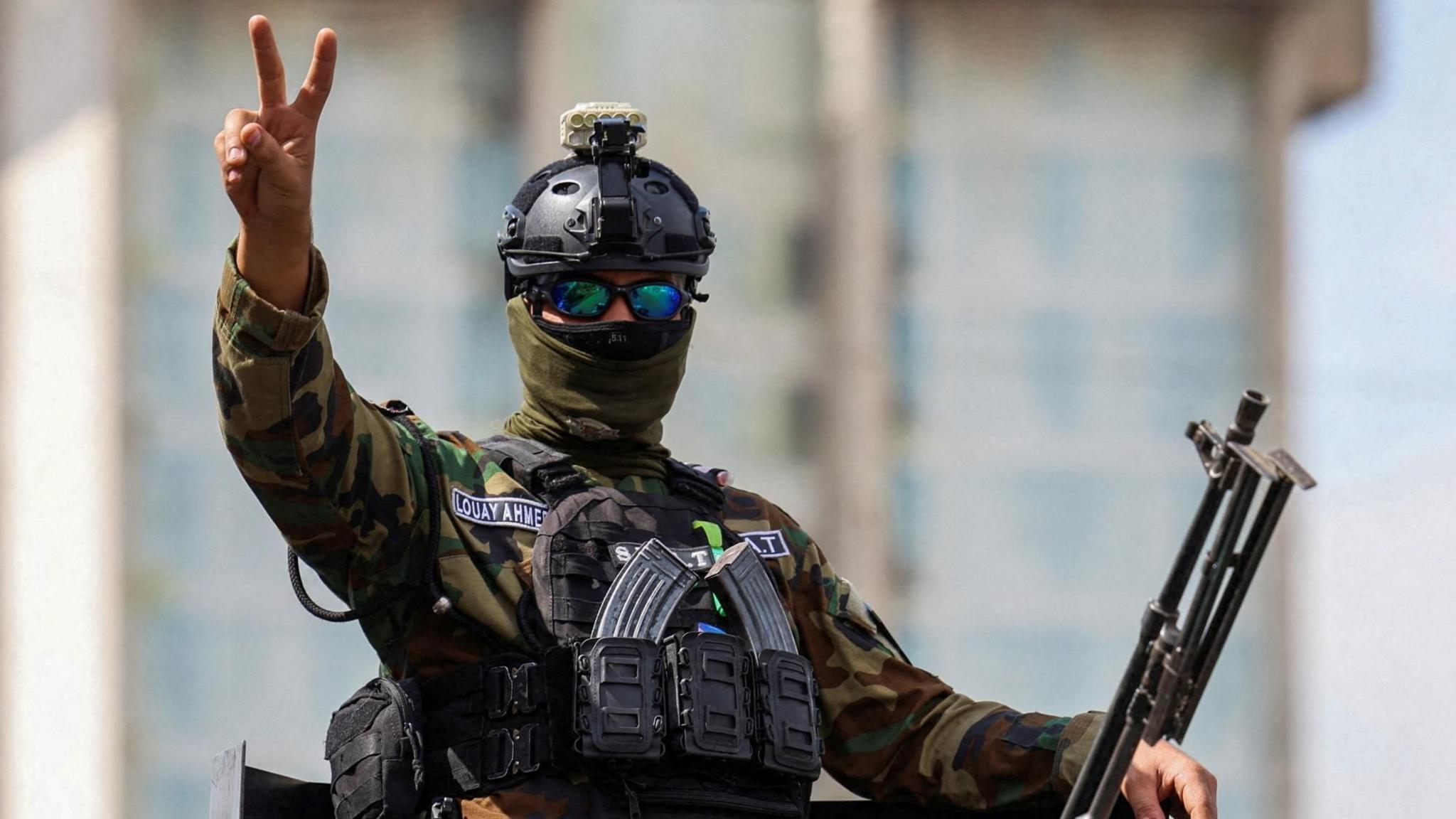
The mission, formally known as Operation Inherent Resolve, had been aimed at defeating the extremist group Islamic State. According to the British Ministry of Defence, thousands of Iraqi security forces—both the national army and the Kurdish Peshmerga—were trained and equipped during the decade, and are now positioned to lead the country’s defense.
Pentagon spokesman Sean Parnell said the coalition’s withdrawal from Irbil “marks the successful conclusion of the mission that defeated IS in Iraq.” He added that the remaining challenge of extremist remnants and Iran‑aligned militias now rests on Iraqi leadership. The U.S. will keep “targeted training and intelligence support” for Iraqi partners and will continue a joint taskforce based in Jordan.
While the exit removes a foreign presence, the Iraqi government faces a difficult task of disarming Iranian‑backed militias that have historically held sway. Prime Minister al‑Zaidi has pledged to bring all weapons under state control, but some powerful factions may feel emboldened with the U.S. and U.K. forces gone.
The departure follows earlier waves of withdrawal: the first exit in 2011 after the Iraq Coalition was dismantled, a return in 2014 for the ISIS fight, the 2018 U.S. drawdown, and finally the 2026 exit to hand over the field to Iraqi forces.
The event marks a significant shift in Iraq’s security architecture, signalling a new chapter of Iraqi sovereignty and a continued, albeit reduced, international partnership focused on counter‑terrorism and training. The next chapter will test Iraq’s capacity to manage internal threats and regional pressure, especially from Iran‑aligned militias, while balancing the benefits of external support for stability.