Last UK and US Troops Leave Iraq, Ending a Decade‑Long Mission
A convoy of thirty–five vehicles carrying the final British and American soldiers crossed the Khanaqin–Irbil road on Wednesday, marking the end of the Operation Inherent Resolve coalition. The withdrawal, coordinated over the past weeks with U.S. forces, formally concluded after over twelve years of engagement in Iraq.
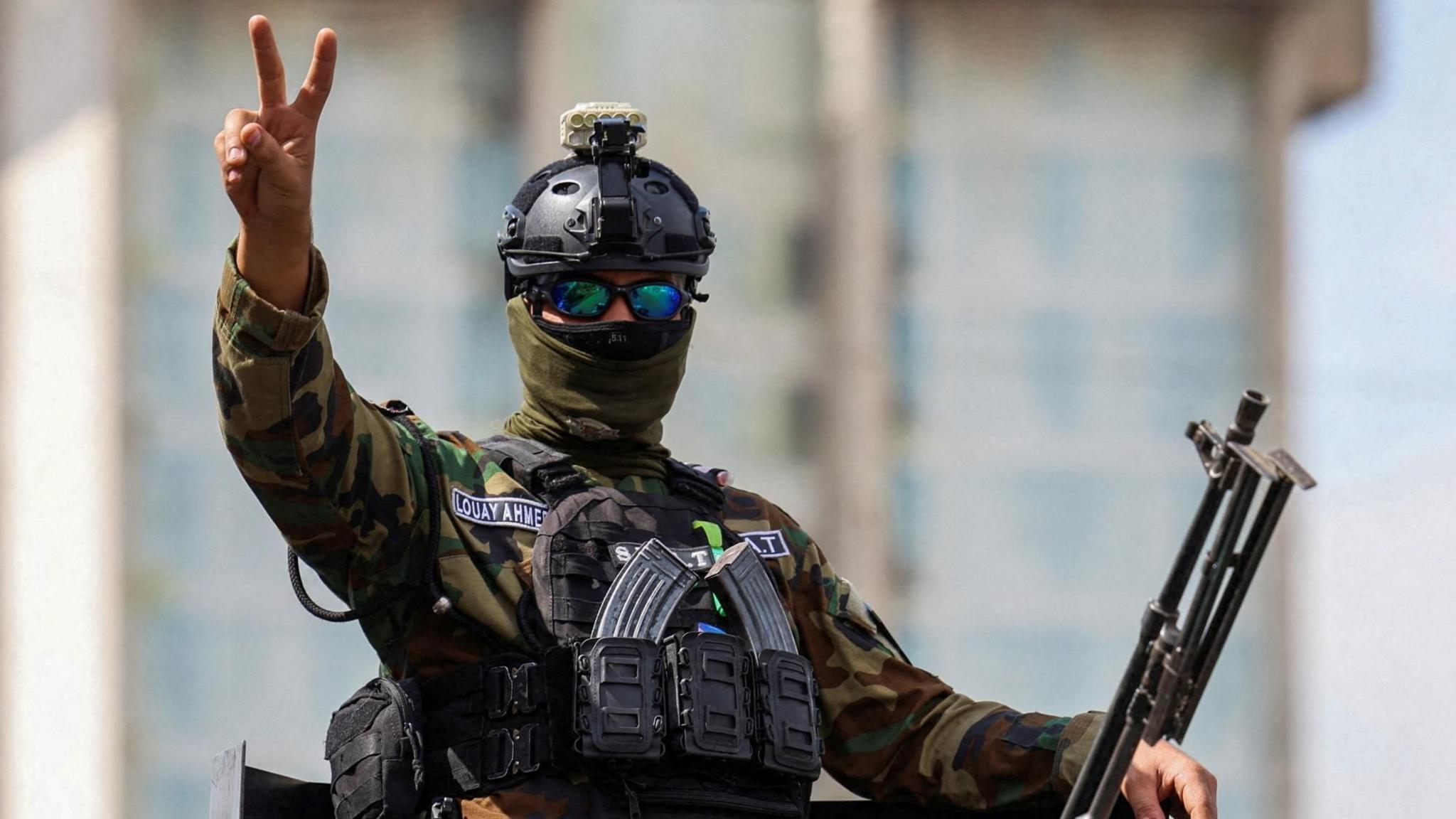
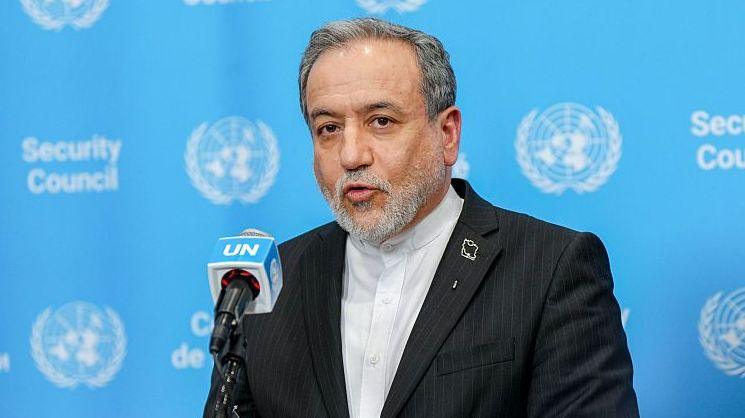
The United Nations and the Iraqi government held a joint statement declaring that the defeat of the Islamic State is complete and that Iraqi Security Forces (ISF) and the Kurdish Peshmerga are fully equipped to assume sole responsibility for national security. Prime Minister Ali al‑Zaidi said the mission’s conclusion opens "a new chapter focused on enduring security cooperation under Iraqi leadership." Iraq will celebrate the withdrawal with four Sovereignty Days as a national holiday.
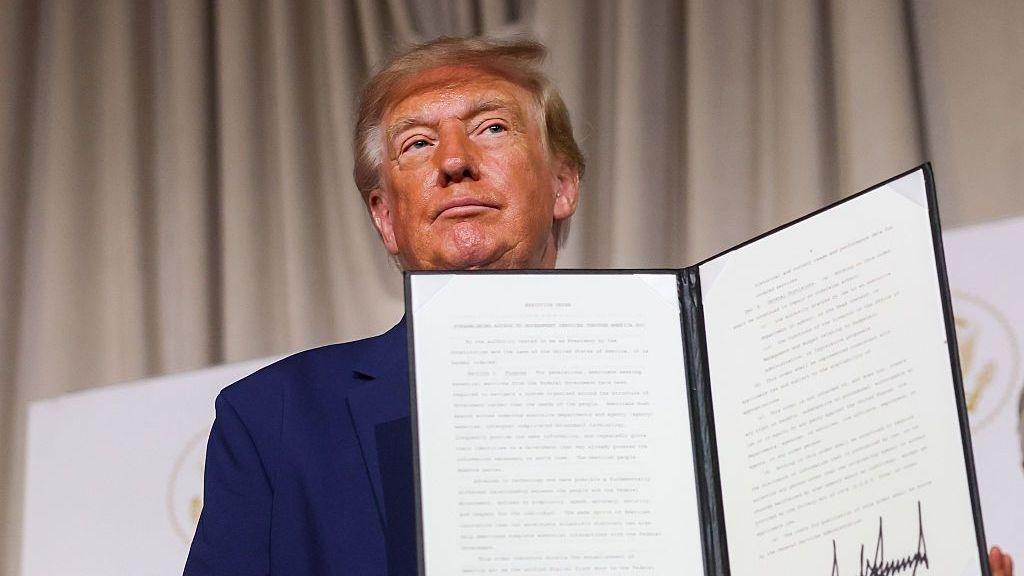
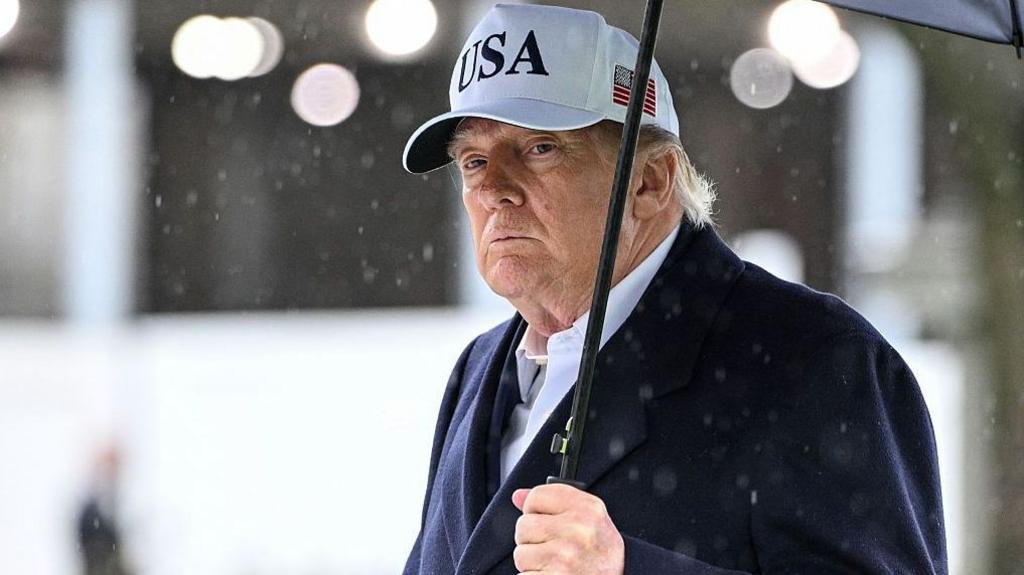
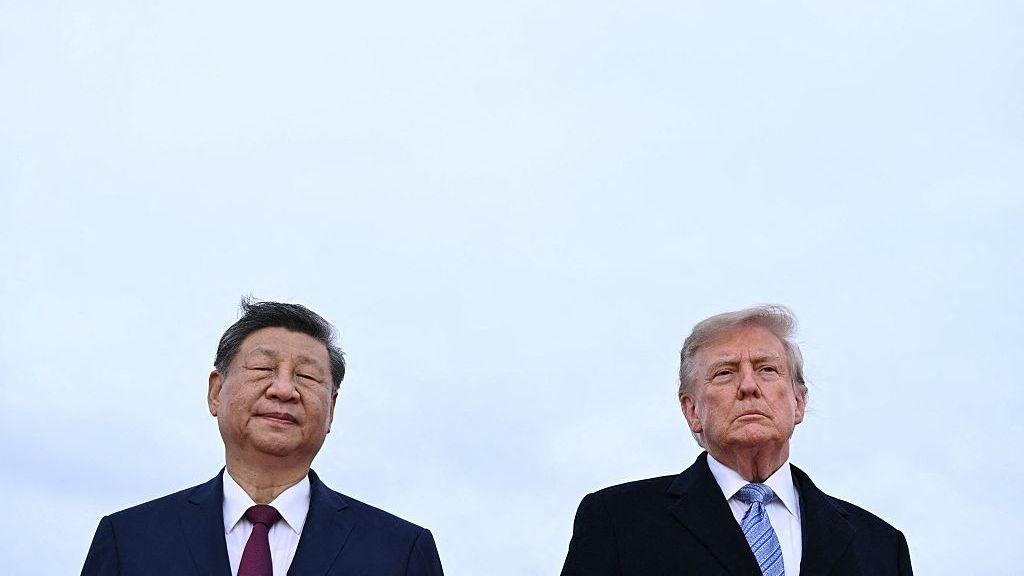
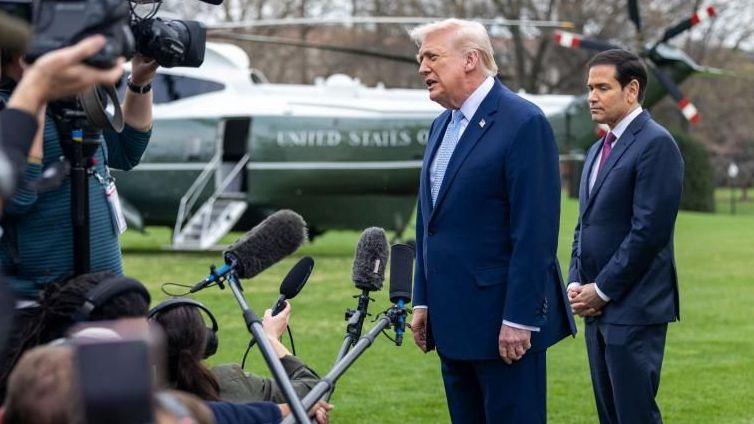
The U.K. Ministry of Defence highlighted that a decade of training, operational support and capacity building has prepared the ISF to take the lead. U.S. President Donald Trump praised the move, calling it a "victory for the United States, a victory for Iraq, and a decisive victory over ISIS," and echoed the sentiment that the present operation was the final requirement before the coalition could fully step aside.
US Pentagon spokesman Sean Parnell described the base’s departure from Irbil as the "successful conclusion of the military mission that defeated ISIS in Iraq," adding that "the primary responsibility for addressing Iraq’s remaining security challenges now rests with the government of Iraq."
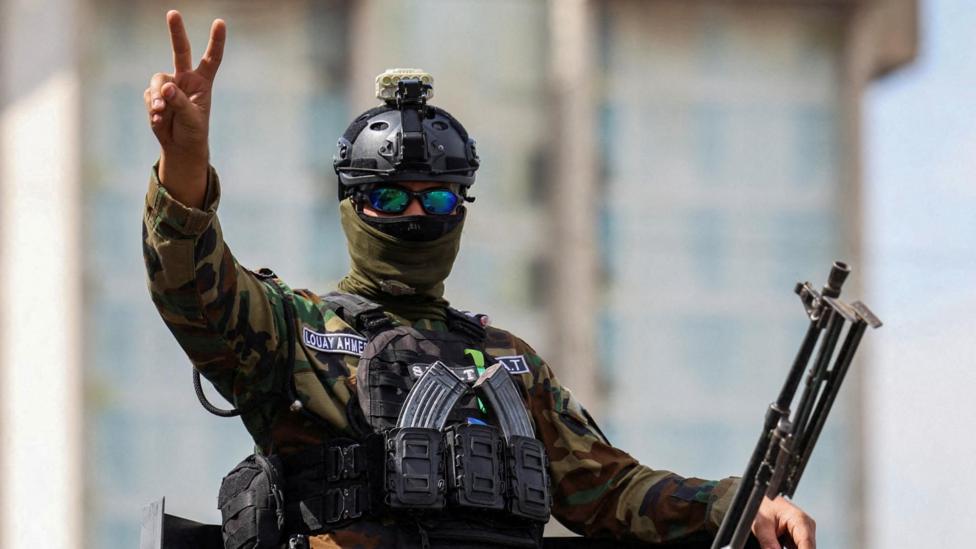
Despite the triumph, the Iraqi government warns of ongoing threats from Iranian‑backed militias. Prime Minister al‑Zaidi has pledged to disarm these groups, though several powerful factions resist, potentially leveraging the absence of U.S. forces to increase their influence.
The withdrawal is the third time the United States and the United Kingdom have left Iraq—after the 2011 drawdown following the no‑aims combat mission and the 2003 invasion that brought the war into the country. Each departure has been followed by re‑entry when new security challenges emerged, illustrating the complexity of Iraqi sovereignty in a volatile region.
Although coalition troops and bases have been dismantled, advisory groups remain active. U.S. forces will continue to provide targeted training and intelligence support to Iraqi partners, retain a joint task force now based in Jordan, and maintain an ongoing mission against ISIS remnants in Syria—estimated to still host up to 3,000 fighters according to United Nations assessments.
The final departure is watched closely by global observers and local citizens alike. It represents a milestone for Iraq’s quest for stability but also a critical juncture where the nascent Iraqi security apparatus must step up to confront new domestic and regional threats.