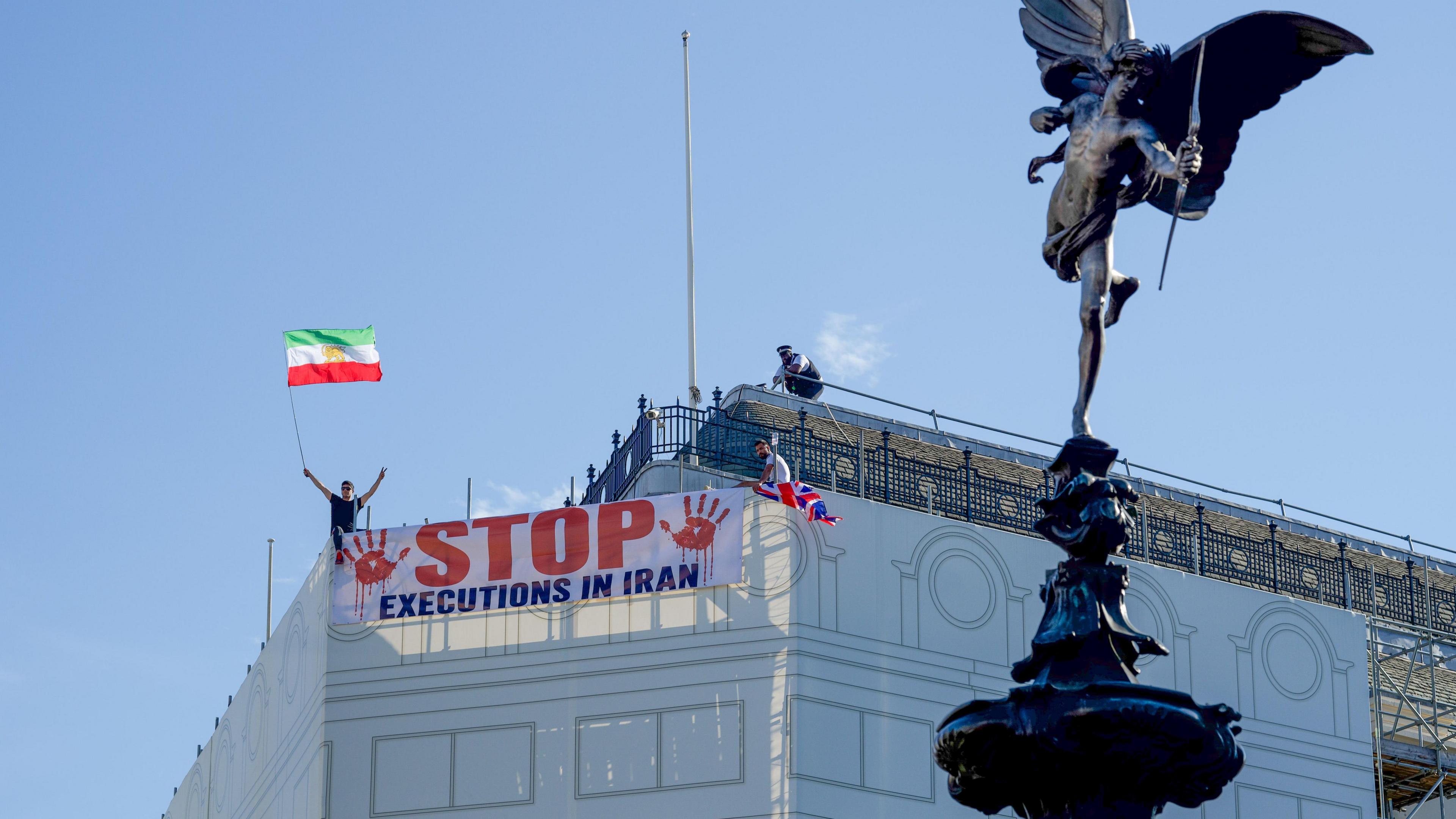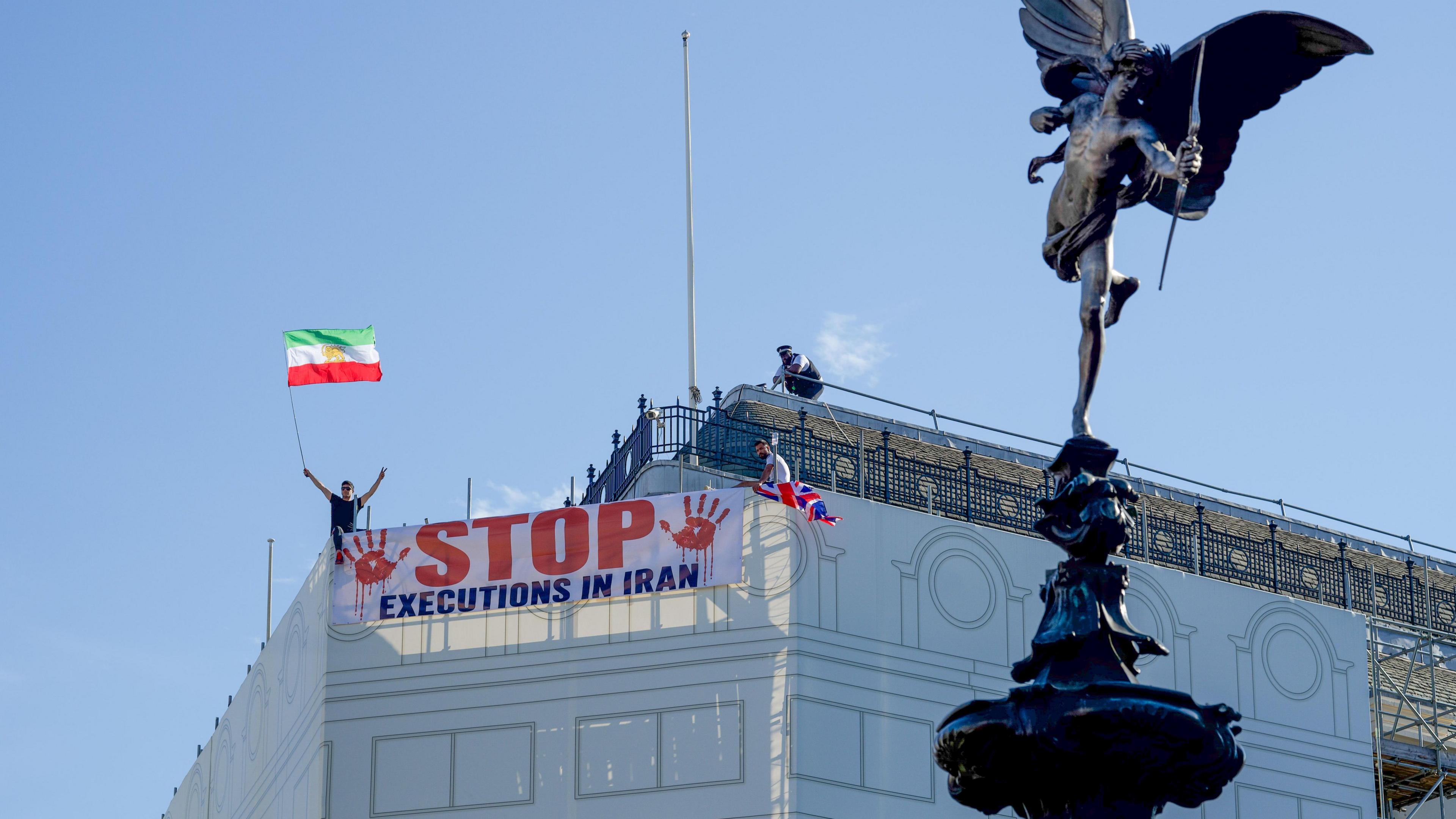
Volker Türk, the UN human rights chief, has warned that Iran has seen a dramatic spike in executions since March, accusing the regime of using capital punishment to stifle dissent and spread fear among the populace.
The chief stated that at least 56 people were executed on national‑security related charges since 19 March, including 27 cases directly linked to the widespread protests that erupted in January. More than 100 others were reportedly at risk of execution on similar charges. Executions on drug‑related offences also continue to rise, further aggravating the situation.
Iran is considered the world’s second most prolific executioner after China. According to Amnesty International, the country executed at least 2,159 people in 2025, the highest figure on record since 1981. That year also saw 45 executions of suspected dissidents on national‑security charges.
The UN highlighted that the continued lack of fair trial guarantees and due‑process protections was deeply troubling. Confessions were reportedly extracted under torture, and several executions reportedly followed only weeks after arrest. In some instances, twelve defendants were sentenced to death after a single three‑hour closed‑door hearing, raising serious concerns about judicial fairness.
Iran’s judiciary has previously defended the death penalty as a measure reserved for the most severe crimes. Recently, two men accused of espionage for Israel were executed, while a 19‑year‑old was sentenced to death for allegedly participating in the January unrest. Additional executions took place in public squares, with several men killed on the spot following accusations of “enmity against God” and “corruption on Earth.”
UN human rights experts have condemned these proceedings as violating established fair‑trial standards, citing a closed courtroom and no clear definition of each defendant’s individual responsibility.