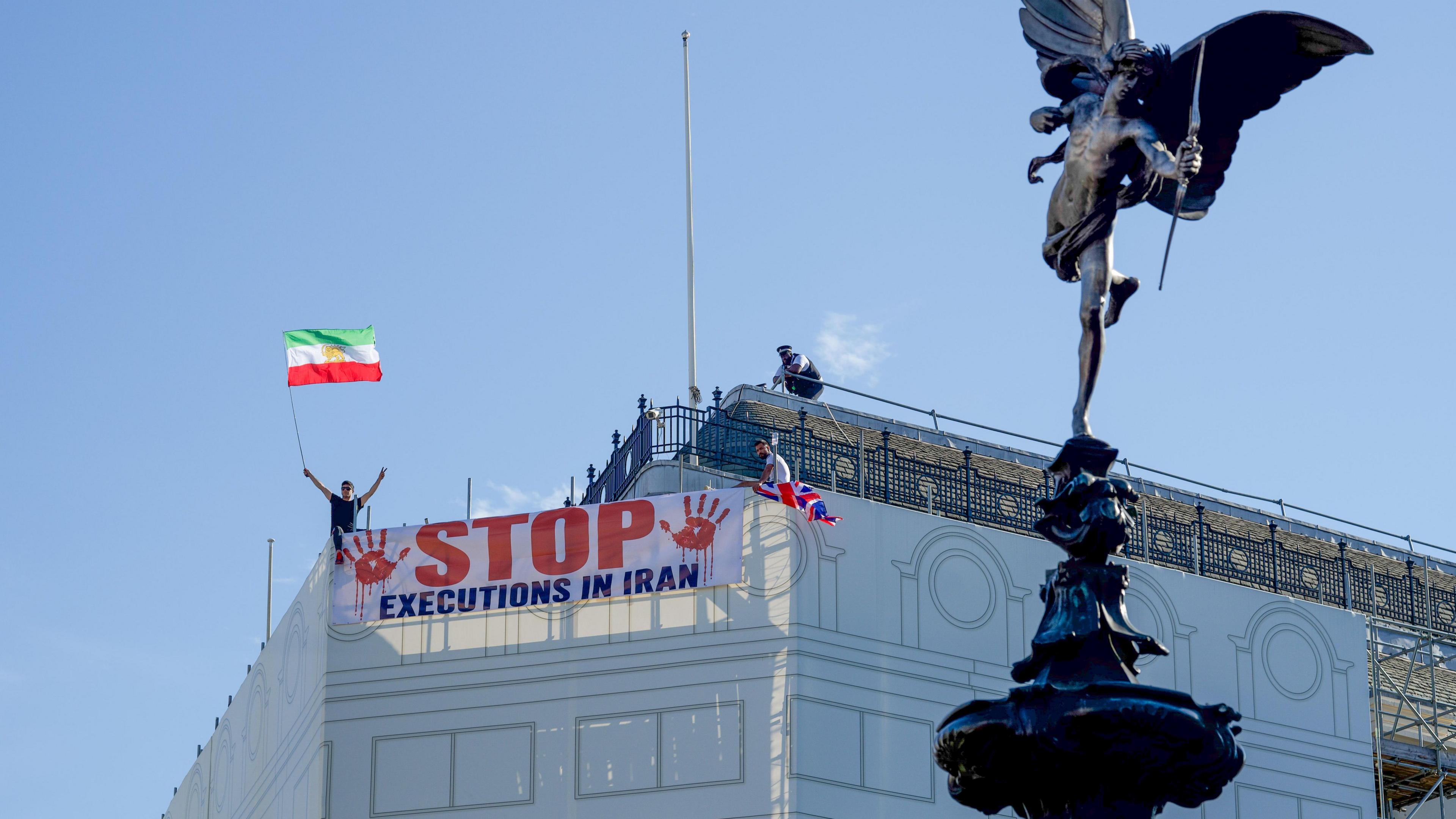
On 5 August 2026, the United Nations Office of the High Commissioner for Human Rights released a statement in which its director, Volker Türk, voiced deep concern over a marked increase in executions in Iran since 19 March. The UN reported that at least 56 people have been sentenced to death on national‑security related charges, and that a further 100 defendants face imminent executions on similar grounds. The spike follows the January nationwide protests against the Iranian government, during which thousands were killed and tens of thousands arrested.
Türkiye’s chief cited evidence that many of those executed were tried in closed courtrooms held for only three hours, with no opportunity for defense. He highlighted that confessions were allegedly obtained through torture or other ill‑treatment, and that some executions were carried out publicly just weeks after arrest. In total, 12 individuals were reportedly sentenced to death in a single hearing, a process that “violates established fair‑trial standards.”
The UN called on Iranian authorities to halt all executions immediately and move toward the abolition of the death penalty, underscoring that such punishment has no place in a civilized world. It urged the government to ensure fair trial guarantees and to stop the use of capital punishment for perceived dissent.
Amnesty International’s recent report confirmed that Iran executed at least 2,159 people in 2025, the highest figure recorded since 1981. This includes 45 executions of supposed dissidents on national‑security charges. The UN warned that Iran’s current trajectory could further erode civil liberties, especially in the backdrop of intensified crackdowns following the 28 February start of the Iran‑Israel conflict.
A short‑lived judicial announcement two days prior to the United Nations statement confirmed the execution of two men, Omid Behzad and Pouria Safvat, accused of spying for Israel’s Mossad during the ongoing war and the June 2025 conflict. The justice system continued to carry out death sentences on those linked to the January unrest, including a 19‑year‑old, Arvin Kheirkhahan, and others in Isfahan.
Iran has historically defended the use of capital punishment as a measure against what it calls “the most severe crimes,” but the UN, EU, and several country governments have warned of the lack of due process in such proceedings.