In brief
A US airstrike in the Caribbean aimed at an alleged drug-trafficking boat has resulted in the deaths of three men, prompting international backlash over the legality of such military actions. US Defence Secretary Pete Hegseth labeled the vessel's operators 'narco-terrorists' but provided little evidence regarding their activities. The incidents have drawn condemnation from Latin American governments, leading to further tensions in US-Latin relations, particularly concerning the administrations of Colombian President Gustavo Petro and Venezuelan leader Nicolas Maduro. Critics, including the UN's human rights chief, question the legality of these strikes under international law.
A US airstrike in the Caribbean has led to the deaths of three men aboard an alleged drug-smuggling boat, according to US Defence Secretary Pete Hegseth.
This strike is part of a series of military actions targeting vessels that the Trump administration claims are involved in drug trafficking headed for the United States. Since these operations began in September, there has been rising concern regarding their legal standing under international law, prompting harsh criticism from Latin American leaders whose citizens are often affected by such strikes.
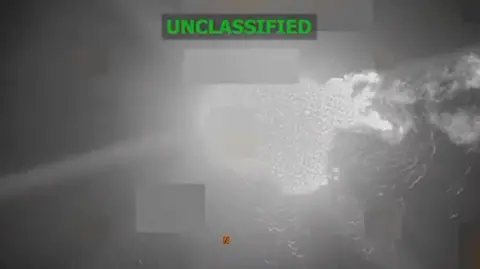
Hegseth stated that the targeted boat was affiliated with a designated terrorist organization, but did not specify which group it was, and claimed it was operating in international waters when hit. However, he also characterized the vessel as carrying narcotics along a known trafficking route. The US has traditionally relied on announcements accompanied by low-resolution video footage when asserting such military claims, a practice that has sparked skepticism about the legitimacy of the operations.
Colombian President Gustavo Petro previously condemned these strikes, calling them murder and asserting they serve US interests in dominating Latin America. Venezuelan leader Nicolas Maduro echoed these sentiments, accusing Washington of fabricating a conflict. This political strife was further escalated when the US imposed sanctions on Petro and removed Colombia's status as an ally in the war on drugs. Trump's aggressive stance includes the potential for military action in Venezuela, contingent upon congressional approval.
Concerns about the legality of these lethal strikes have drawn criticism from various US lawmakers across party lines, and experts in international law have deemed them a violation of human rights norms. Recent comments by UN human rights chief Volker Turk emphasized that over 60 fatalities in these raids are unjustifiable under international law.
The strategic buildup of US military assets in the Caribbean hints at an extensive campaign against drug trafficking, yet many analysts argue that the scale far exceeds what is necessary for drug interdiction.