
In brief
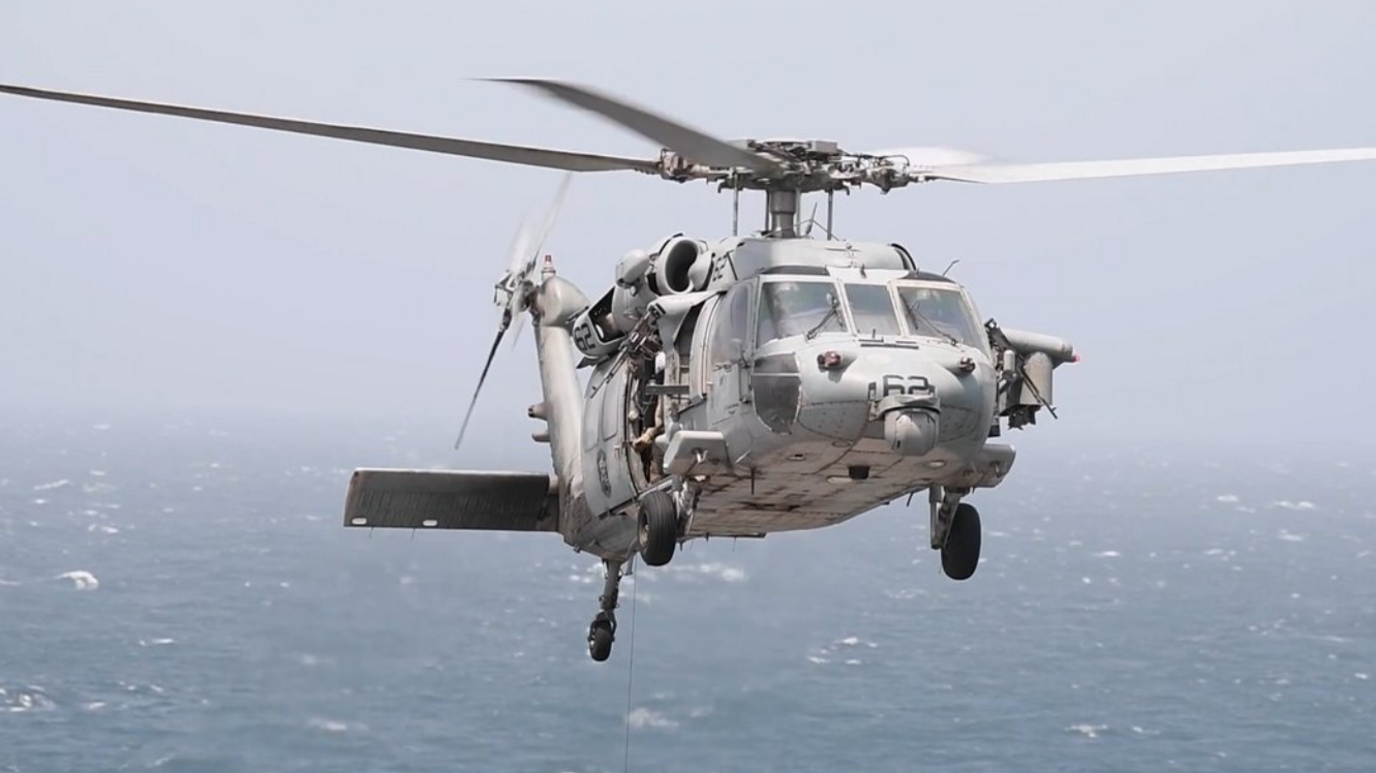
On 11 August, US Central Command reported that an MH‑60 helicopter fired two Hellfire missiles into the engine room of the Panama‑flagged cargo ship M/V Vela Nova as it tried to breach a US blockade of Iranian ports. The vessel ignored repeated warnings from American forces, prompting the strike. CENTCOM said the ship is no longer heading for Iran and highlighted its broader efforts: redirecting 55 vessels, disabling three, and boarding two since the blockade was reinstated after Iran closed the Strait of Hormuz on 28 February. The move comes amid a broader conflict where Iran has struck US‑allied targets and the UK and others face sustained oil supply disruptions. Meanwhile, Yemen’s Iran‑backed Houthi militants have killed six civilians and injured ten on a ship in the Red Sea, marking the first deadly maritime strike since the war began.
United States Central Command (CENTCOM) confirmed that one of its MH‑60 helicopters fired two Hellfire missiles at the Panama‑flagged cargo ship M/V Vela Nova on Tuesday. The strike aimed to disable the ship’s steering gear as it attempted to navigate the Gulf of Oman and breach the U.S. blockade of Iranian ports.
The helicopters’ pilot reported that the vessel’s civilian crew ignored repeated cautionary radio messages from U.S. forces. “The ship is no longer transiting to Iran,” CENTCOM said, without providing details on casualties or injuries.
The U.S., in response to Iran’s closure of the Strait of Hormuz on 28 February, has enforced a comprehensive maritime blockade to curb the flow of oil, liquefied natural gas, and strategic supplies. Since the blockade’s reinstatement, CENTCOM has redirected 55 commercial vessels, disabled three non‑compliant ships, and boarded two.
Amid the broader confrontation, Yemen’s Iranian‑backed Houthi fighters recently struck a cargo vessel in the Red Sea, killing six people and injuring ten. The Houthi attack was the first deadly strike on a ship since the conflict erupted.
These actions underscore the escalating tension in the region, with maritime security challenges poised to affect global oil markets and supply chains, as the Strait of Hormuz continues to be a critical chokepoint for international trade.
