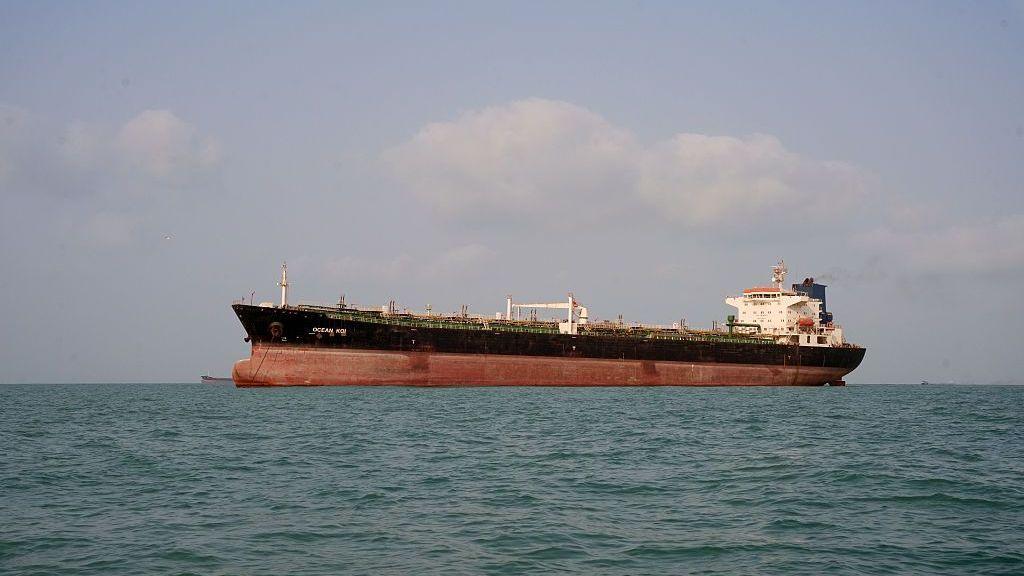
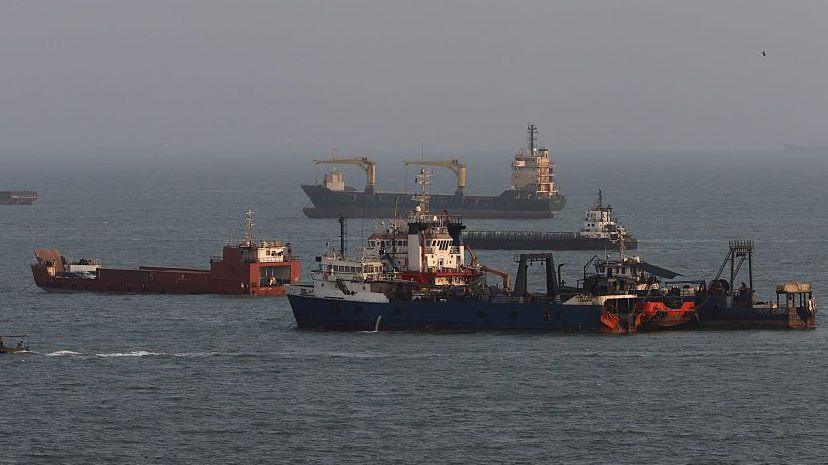
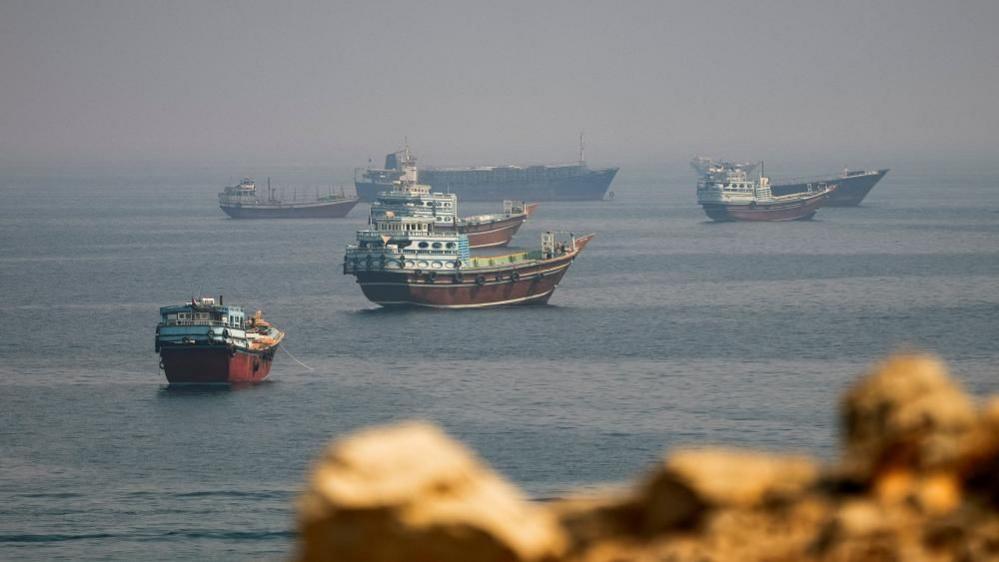
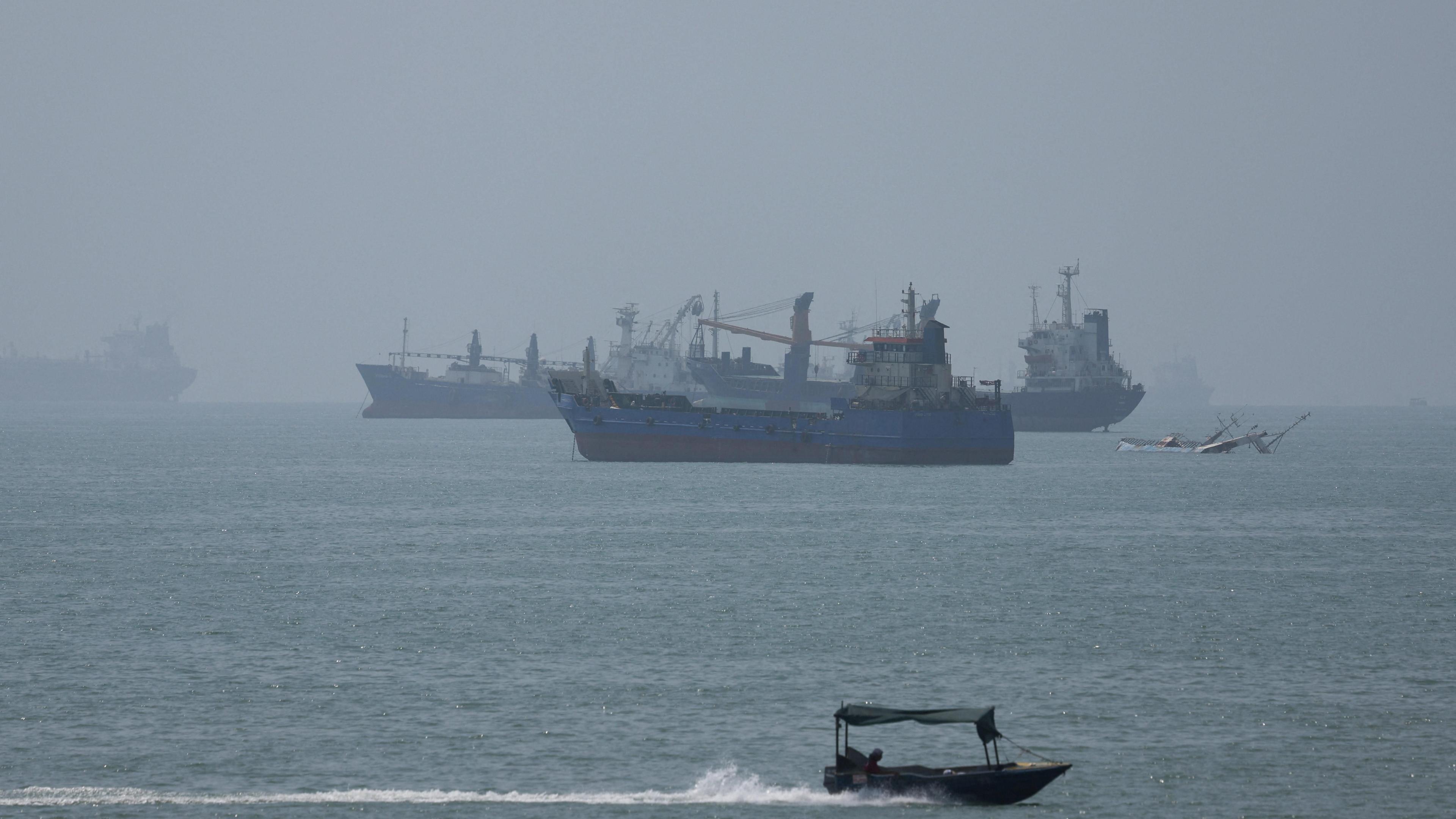
The narrow waterway that slices between Oman and Iran, through which roughly 20 % of the world’s crude oil and natural gas passes, is now at the heart of an escalating standoff between the United States and Iran. A proactive strike list on the U.S. side and a wave of retaliatory measures on the Iranian side have raised the spectre of a naval confrontation that could shut the strait entirely.
Over the weekend, Tehran announced a temporary closure of the Strait of Hormuz to commercial traffic, citing "security concerns". Washington, however, counter‑claimed that the channel remains open, and that U.N.‑designated merchant vessels are continuing to pass without interference.
The dispute threatens to unravel the fragile six‑week cease‑fire agreed in June, which had been brokered by international mediators hoping to revive commercial shipping and bring an end to broad‑scale hostilities in the region. As talks stall, the risk of a broader military engagement rises, with both sides now shifting resources toward naval readiness.
BBC correspondent Barbara Plett‑Usher reports from Jerusalem, where she underscores how the standoff could destabilise the already‑tense Persian Gulf corridor. She notes that any prolonged blockade would cost both shipping companies and the global economy billions of dollars, while local populations would face shortages of fuel and essential goods.
For the rest of the world, the key question is whether diplomatic pressure can get the parties back into the negotiating arena or whether military escalation will dominate the narrative in the coming weeks. A new closure will also affect the timing of the ongoing climate‑change‑related shipping reforms, which the U.S. has been pushing as part of broader economic diplomacy.
The standoff is a reminder that in a world where sea‑lanes connect continents, any geopolitical flare‑up in a narrow passage can multiply into a global headline. Our coverage will continue to track how the situation develops around the clock, with the goal of keeping citizens informed about the direct and indirect effects of this unfolding crisis.