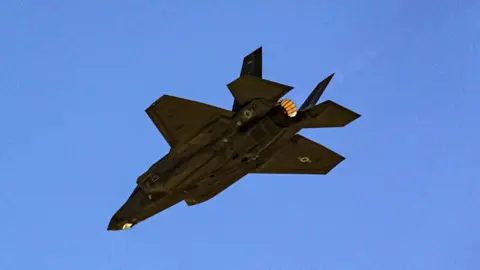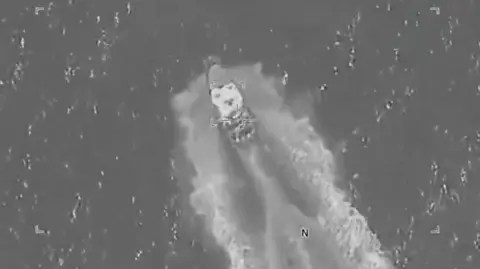
The US military has executed a massive strike against the Islamic State group (IS) in Syria, responding to a fatal ambush that resulted in the deaths of American personnel. The operation, termed 'Operation Hawkeye Strike', involved fighter jets, attack helicopters, and artillery that targeted over 70 locations known to be associated with IS.
According to statements from the US Central Command (Centcom), aircraft from Jordan were also engaged in the operation, which utilized more than 100 precision munitions to strike IS infrastructures and weapons depots.
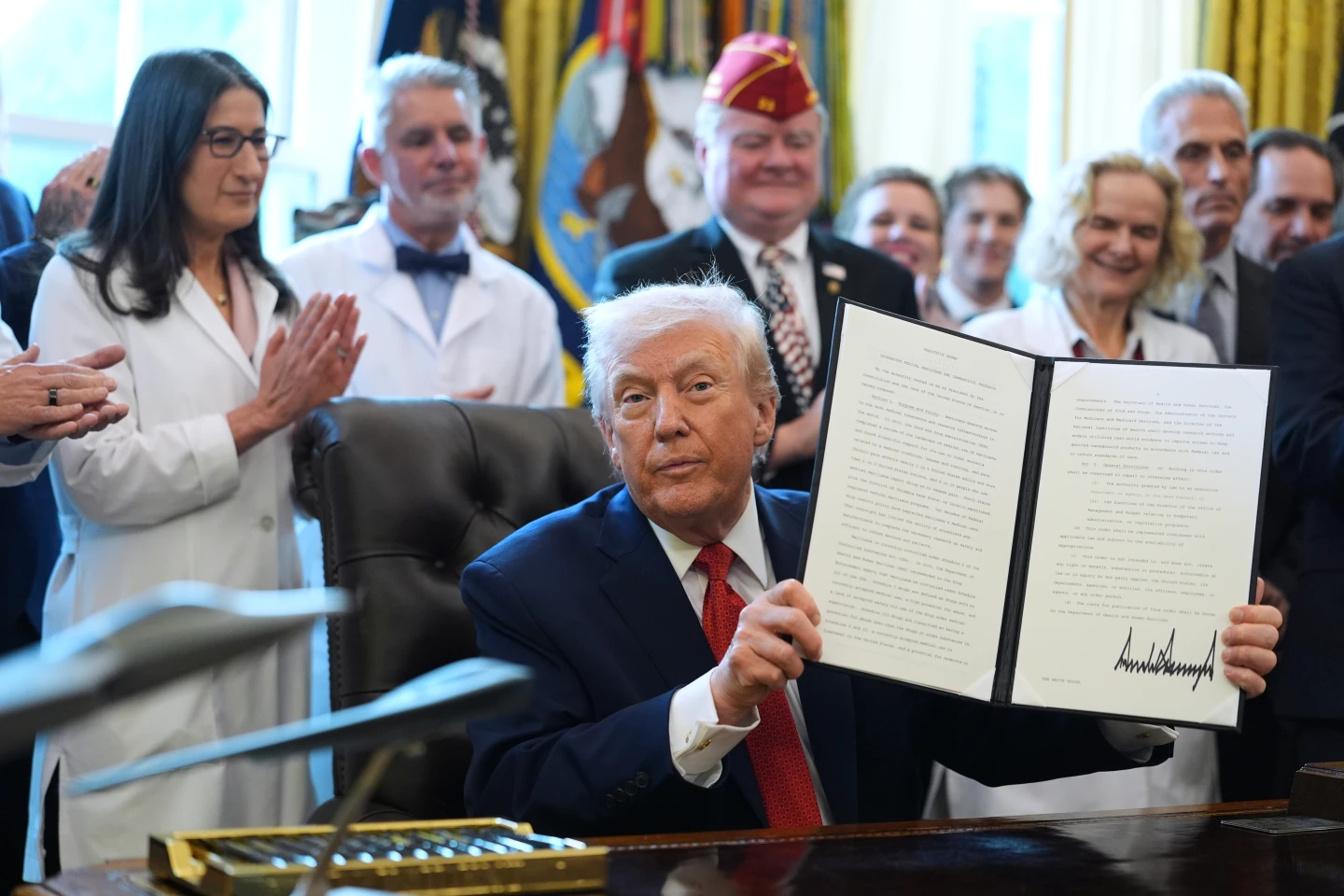
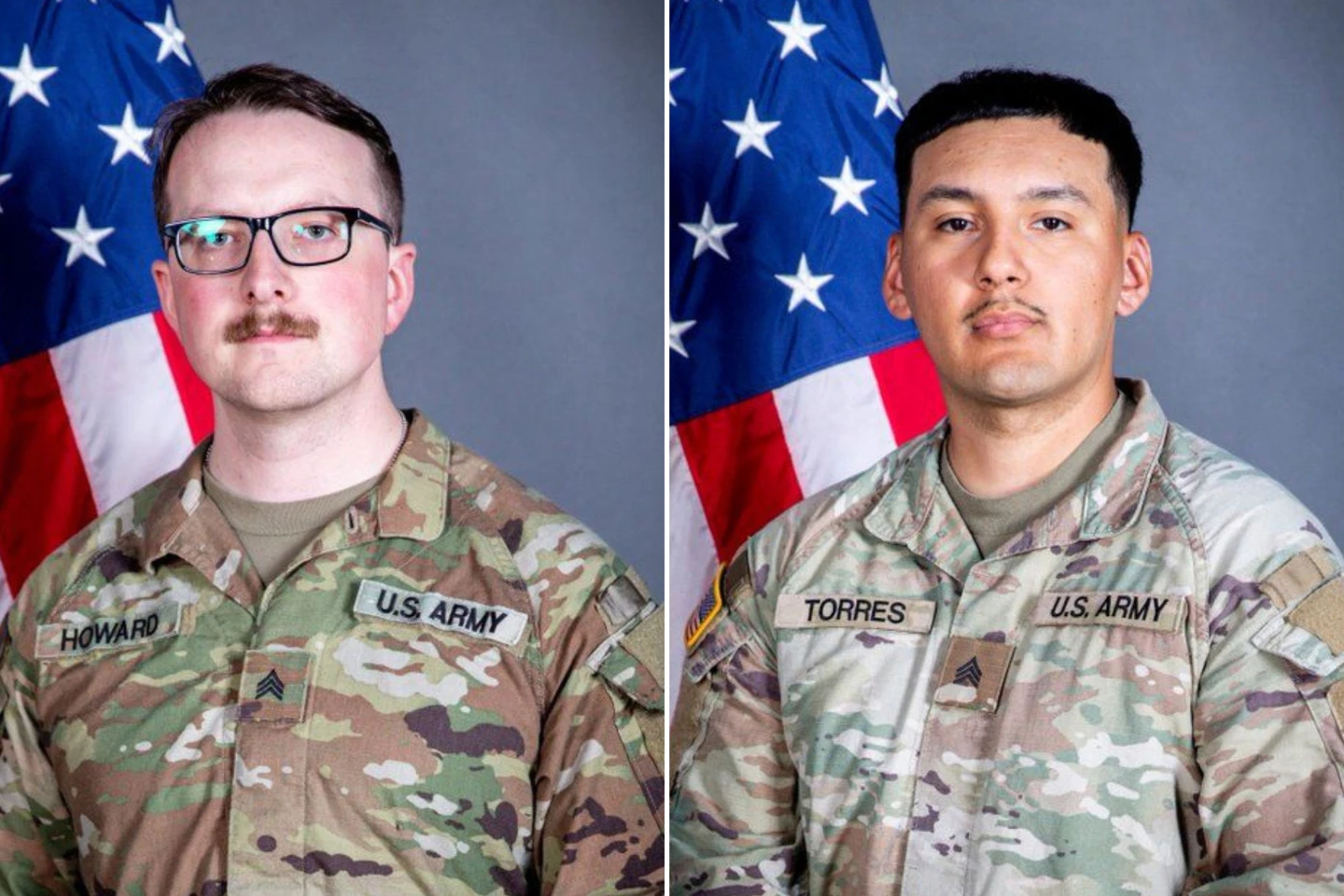
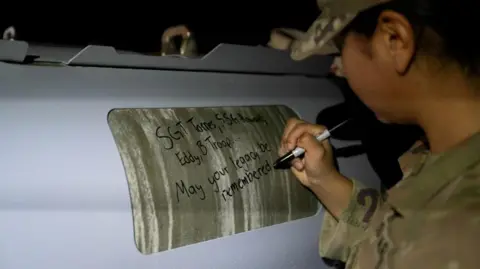
President Donald Trump underscored the seriousness of the operation, highlighting the intent to retaliate strongly against IS strongholds after a deadly attack in Palmyra that claimed the lives of two US soldiers and a civilian interpreter on December 13.
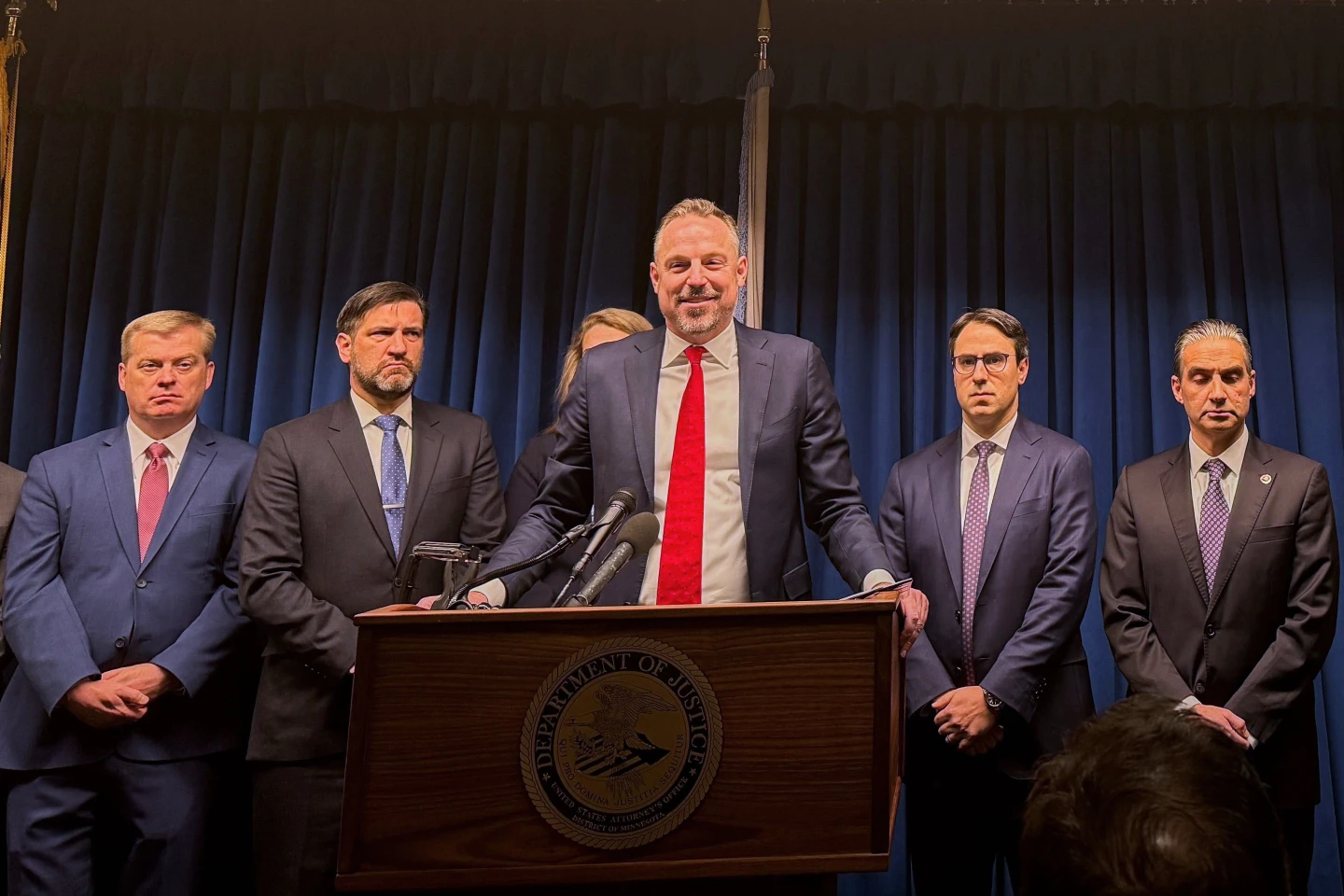
Centcom reported that the operation commenced at 4:00 PM Eastern Time on Friday. Admiral Brad Cooper, the Centcom commander, noted the US's ongoing commitment to pursuing and disrupting terrorist activities that threaten American lives and their allies in the region.
Reports from the Syrian Observatory for Human Rights indicated that at least five members of IS were killed in the strikes, including a leader responsible for drone operations in eastern Syria.
Following the strikes, the Royal Jordanian Air Force also participated, aiming to prevent extremist groups from undermining regional security. However, IS has not publicly commented on the recent strikes.
US Defense Secretary Pete Hegseth characterized the operation not as a new war, but as an act of vengeance, issuing a stark warning: any attacks on Americans would lead to relentless retaliation from the US.
While the US had previously declared that IS had lost its last strongholds in Syria in 2019, the group remains active, with estimates suggesting it has between 5,000 to 7,000 fighters remaining in Syria and Iraq. The US has maintained a military presence in Syria since 2015 to assist with training local forces against IS.
With the Syrian government now pledging cooperation in combating IS, the landscape of US-Syrian relations may be shifting.