
In brief
US President Trump has hinted at sending troops to seize Kharg Island, Iran's critical oil terminal. The island accounts for 90% of Iran's oil exports, and such a move could severely impact Iranian oil trade. However, the risks of military engagement are significant, as Iran vows to retaliate. This article analyzes the strategic considerations and potential consequences of a US occupation on Kharg Island.
Amid rising tensions, US President Donald Trump has indicated the possibility of deploying troops to seize control of Kharg Island, Iran's crucial oil export terminal. This article takes an in-depth look at the strategic implications, methodologies, and potential risks associated with such a military operation.
The Strategic Importance of Kharg Island
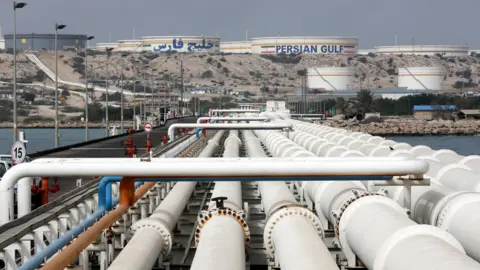
Kharg Island serves as the primary outlet for Iran's oil exports, with approximately 90% of the nation’s oil transported via its terminals. This strategic location in the northern Gulf enables the loading of Very Large Crude Carriers (VLCCs), capable of holding around two million barrels of oil.
Historically, Kharg Island has faced conflict, particularly during the Iran-Iraq war when it was a frequent target for bombings. Recently, the US struck various military targets on the island but refrained from damaging its oil infrastructure.
Theoretical Military Operation
A US invasion of Kharg Island could be a temporary measure aimed at pressuring Iran by obstructing its oil exports until it concedes dominance over the Strait of Hormuz, a vital international shipping lane. However, the effectiveness of such a strategy remains questionable given the Iranian regime's resilience and history of defiance.
Iran's Response and Preparedness
Iranian officials, including Parliament Speaker Mohammad Bagher Ghalibaf, have warned of severe retaliation against any US invasion. The country has reportedly reinforced its defenses on the island, deploying surface-to-air missile batteries and preparing for potential aerial engagements.
Operational Logistics and Challenges
If enacted, US troops, including nearly 5,000 Marines and 2,000 paratroopers, would face significant logistical challenges, including navigating the Iranian-controlled Strait of Hormuz. The US military's combat capabilities would likely enable it to prevail in a landing scenario, but high casualties are anticipated.
Furthermore, holding the ground would involve ongoing bombardment from Iranian forces, complicating the military's long-term strategy in the region.
Public Sentiment and Political Ramifications
Any prolonged occupation of Iranian territory could provoke domestic backlash in the US, as sentiments against foreign interventions remain strong among Trump's support base.
Additionally, speculations have emerged regarding the US's military intentions in the region, with some analysts suggesting that these maneuvers could be deceptive posturing amidst concurrent peace talks with Iran.
The Future Landscape
The strategic value of Kharg Island is apparent, and US interests in the region extend beyond it to other vulnerable islands that Iran controls, such as Larak and Qeshm. The unfolding situation remains uncertain and could dramatically shift depending on diplomatic relations and military decisions. As diplomatic discussions continue, the potential for confrontation looms large in this high-stakes landscape.
