US mother begged for help before her children's killings, mother‑in‑law testifies
Warning: This story contains distressing details and discussion of attempted suicide

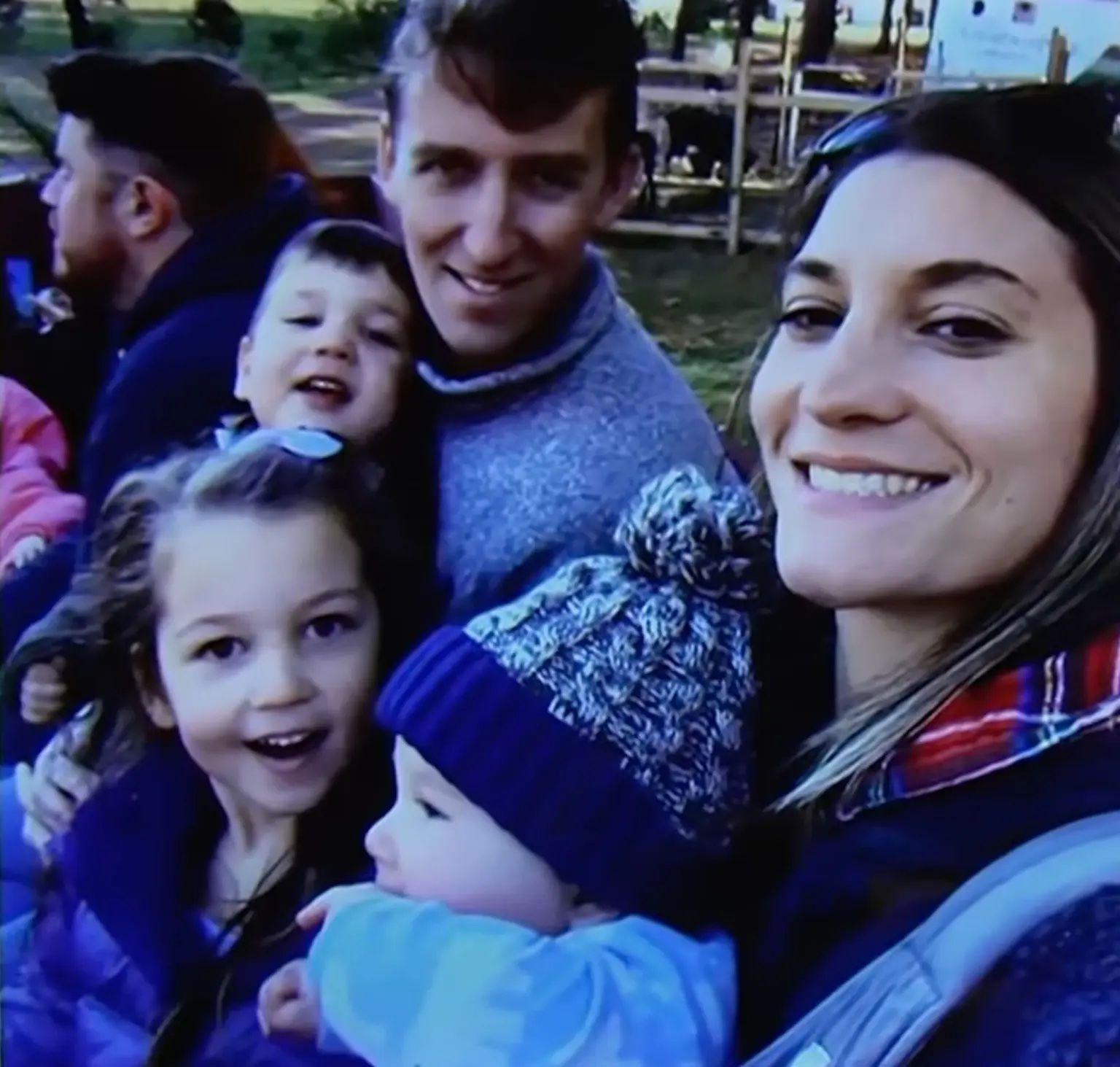
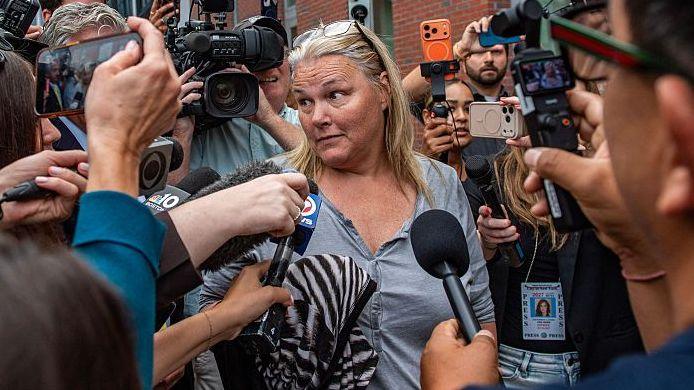
Lindsay Clancy was "begging for help" before killing her three children, her former mother‑in‑law Susan Clancy testified at the murder trial.
She described Lindsay’s insomnia, loss of appetite, and overwhelming anxiety as she struggled after the birth of her youngest son.
Lawyers for Clancy claim she suffered postpartum psychosis, while prosecutors say she deliberately killed the children at ages five, three and eight months.
Susan Clancy answered that her daughter was "very much" interested in seeking medical help, but the court heard that her mother‑in‑law described the woman as "very nurturing, very loving".
The trial included testimony from dozens of witnesses, after which the prosecution rested. The defence then presented anecdotes citing family.
Clancy faces three counts of first‑degree murder.
Clancy’s mother Paula Musgrove remembered her desire to have many children and believed the experience was wonderful.
Lindsay reportedly sent a text that she was "really sick", and months before the killings she warned that she had thoughts of harming her children.
Musgrove recalled that Lindsay said she was "not like this before" and that she was a nurse.
In January 2023, Clancy strangled her children with fitness bands at her Massachusetts home before leaping from a second‑floor window, a move that left her paralyzed and in a wheelchair for the trial.
The defence cited hallucinations and delusions post‑delivery of her baby Callan and noted she checked herself into a psychiatric hospital days before the deaths.
Clancy’s sister Allison Ozga testified that she shared daily suicidal thoughts with Lindsay over the month leading up to the killings.
The UK National Health Service defines postpartum psychosis as a rare severe mental illness that often follows childbirth.
"Postpartum psychosis is very different from the 'baby blues'," says the NHS. "It is a serious medical emergency."
If you are suffering distress, speak to a health professional or an organisation that offers support. Details of help available in many countries can be found at Befrienders Worldwide, www.befrienders.org.
In the UK, a list of organisations that can help is available at bbc.co.uk/actionline.