On the National Mall, thousands of white winged crosses were laid out by an Afrikaner lobby group in Washington, DC, to claim they represented victims of a so‑called “white genocide” in South Africa. The display prompted headlines across multiple outlets, including the BBC’s coverage of the event.
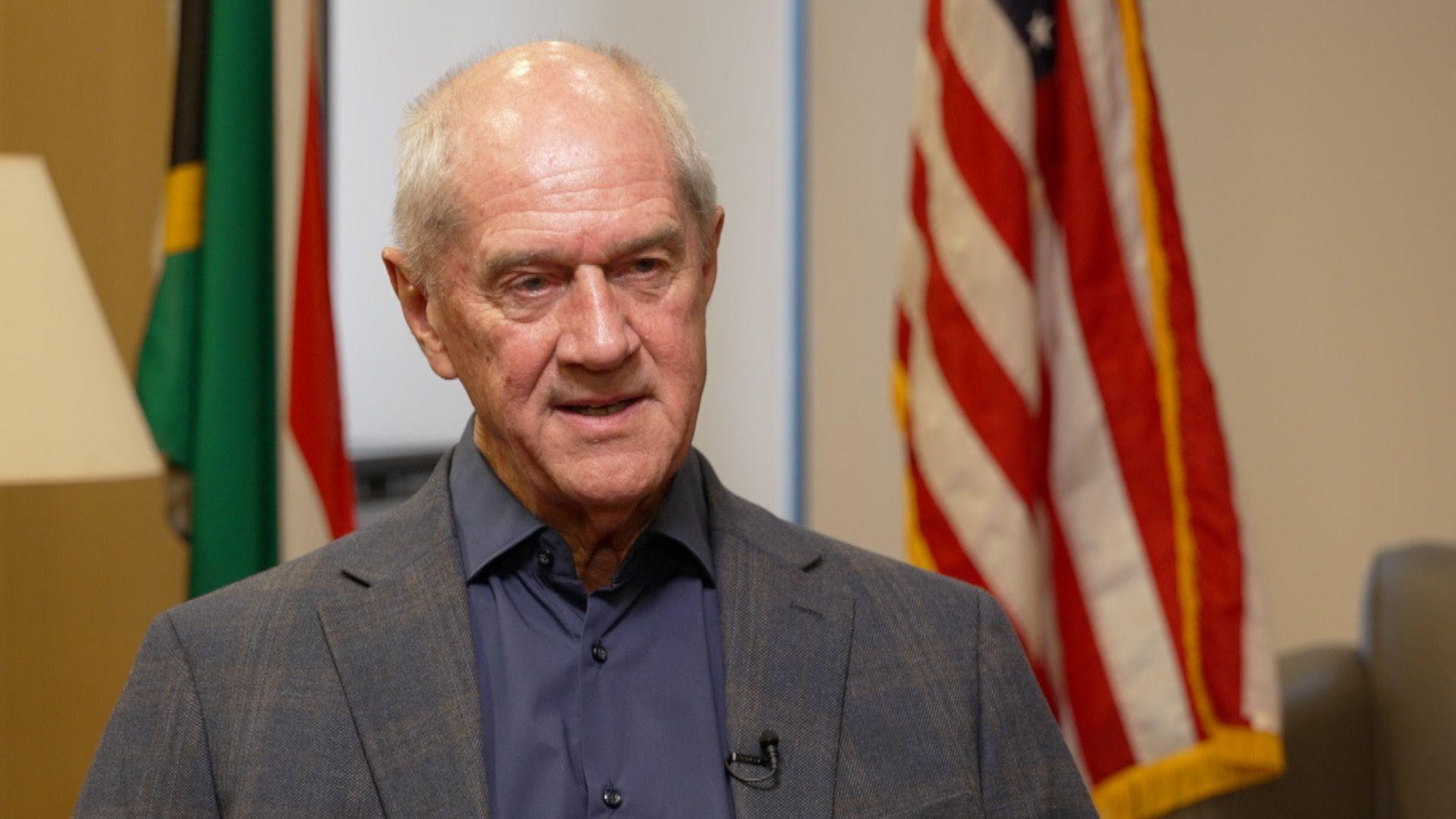
Roelf Meyer, South Africa’s ambassador to the United States, dismissed the allegations as unfounded. “There is no mass attack or genocide of white Afrikaners in South Africa. That narrative has no factual basis,” Meyer told reporters, citing a lack of credible evidence of violent persecution targeted at Afro‑white South Africans. He highlighted the country’s ongoing social and economic challenges but argued that these should not be conflated with genocide.
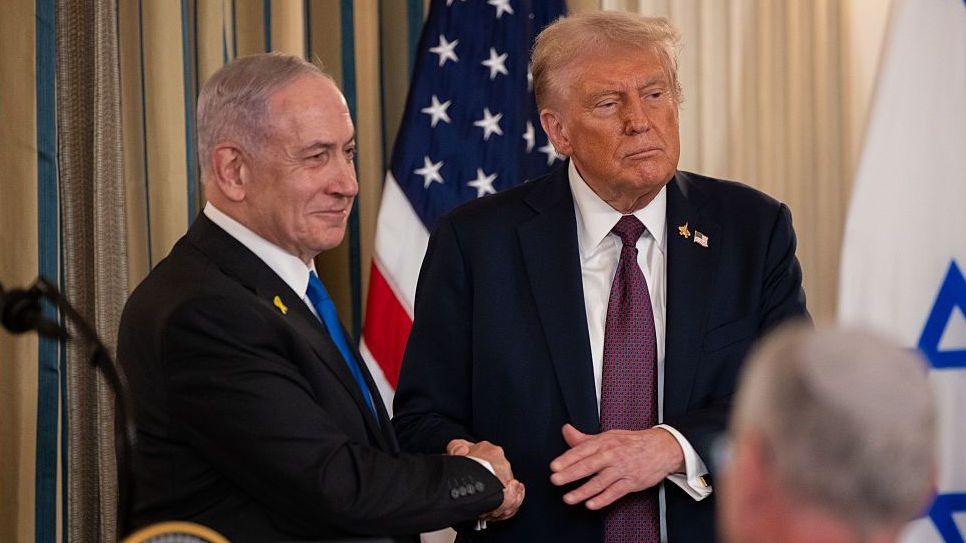
In a separate development, a notice sent to Congress on Tuesday revealed that the Trump administration plans to authorize the admission of up to 17,500 additional Afrikaner refugees over the next 12 months. The announcement came as the U.S. government debated the status of private asylum requests and broader immigration policy. Analysts warn that such policy moves could set a precedent for admitting individuals from countries with complex human‑rights records.
According to the BBC’s North America correspondent Ione Wells, U.S. officials have largely remained silent on the claim, focusing instead on the administrative aspects of the proposed refugee program. Wells notes that the white genocide narrative is often repurposed by some political groups to justify stricter immigration controls and racialized rhetoric.
The situation underscores how civil‑society protests can influence international discourse, especially when amplified by national media. While South Africa officially denies any genocide against white people, its political environment is marked by socioeconomic divisions that complicate the narrative. The U.S. response, characterized by a combination of diplomatic refutation and planned refugee admissions, reflects a complex engagement with the issue that transcends simple moral judgments.