
In brief
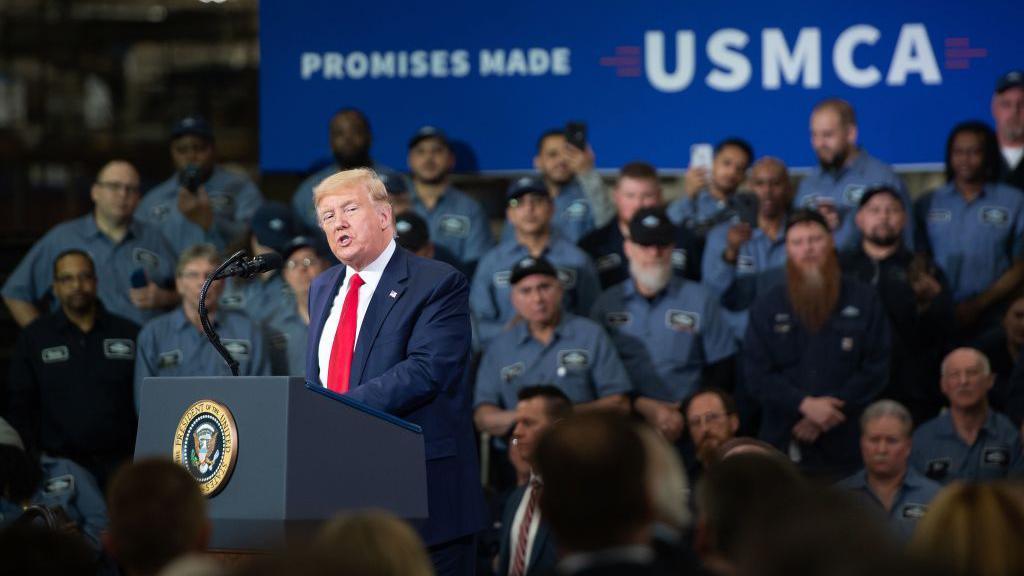
Washington announced it will not automatically renew the U.S.‑Mexico‑Canada Agreement (USMCA), leaving the pact in a state of limbo. While the trade deal remains in force for the short term, the lack of a long‑term commitment signals a potential 10‑year countdown toward expiration. Key issues—automotive rules of origin, dairy access, and preventing third‑party exploitation—have stalled its renewal. The move has alarmed both manufacturing and agriculture groups but has been welcomed by some U.S. trade advocates who see annual reviews as leverage.
The United States has decided not to automatically renew the U.S.–Mexico–Canada Agreement (USMCA) in its current form, a senior U.S. official announced today.
Without a unanimous renewal, the pact—originally set for a 16‑year extension—loses a built‑in automatic renewal, effectively beginning a ten‑year countdown toward possible termination as early as 2036.
Key U.S. concerns remain over automotive rules of origin, dairy market access, and preventing countries like China from exploiting the trade framework.
The agreement, which underpins about $2 trillion of annual trade between the three nations, has faced pressure from unresolved disputes that the U.S. seeks to address before committing to a long‑term extension.
Some U.S. trade groups, such as the American Iron and Steel Institute, applaud the decision, arguing annual reviews could grant American negotiators greater leverage to fix parts of the deal.
Meanwhile, the U.S. Chamber of Commerce has warned that sectors like manufacturing and agriculture rely heavily on cross‑border certainty and could suffer from the new uncertainty.
Background: The USMCA replaced NAFTA in 2016, updating rules around digital trade, workers' rights, and regional manufacturing, and requiring an increased share of vehicle parts produced within North America.

