
In brief
After President Volodymyr Zelensky sacked Defence Minister Mykhailo Fedorov in July 2026, the former minister publicly rejected a deputy prime minister appointment and declared that only the defence ministry can steer Ukraine’s war strategy. Fedorov, praised for his data‑driven reforms and the Army of Drones initiative, believes his removal deprived Ukraine of a system that secured battlefield gains. Zelensky’s offer did not satisfy him, and protests across Ukraine’s cities have continued with demands for Fedorov’s reinstatement. The dispute remains unresolved, hinting at deeper divisions within Ukraine’s leadership as the country battles Russia’s renewed offensives.
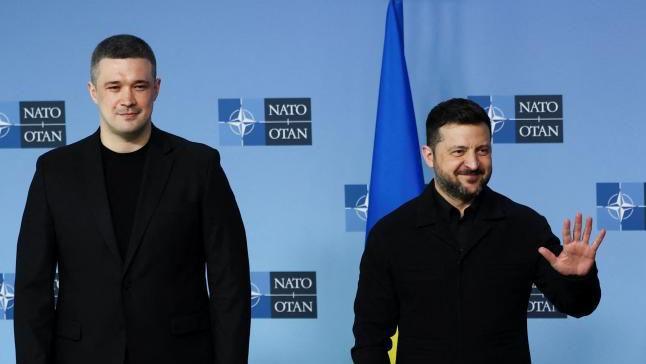
Former Ukrainian Defence Minister Mykhailo Fedorov has openly stated that he will not accept any role other than his former position, reigniting a standoff with President Volodymyr Zelensky and fueling a wave of protests across the country.
On July 17, 2026, Zelensky publicly removed Fedorov from the post—after accusations of nepotism and conflicting leadership with Commander‑in‑Chief Oleksandr Syrskyi. The move stunned many, as Fedorov had led a swift transformation of the armed forces, introducing data‑driven tactics and the now‑recognised Army of Drones program. Critics say his departure undermined a strategy that gave Ukrainian forces a decisive advantage.
When Zelensky offered Fedorov an alternative appointment—deputy prime minister responsible for military innovation—Fedorov rejected it outright. He maintains that “the only positions that can truly determine the war’s outcome are president, defence minister, and commander‑in‑chief.” In a statement to journalists, Fedorov claimed that the previous six months had “consistently implemented a clear plan” to protect Ukrainian skies, stabilise the front and hit Russia’s economy.
Public response was swift. Demonstrators gathered at the Ukrainian Parliament and major squares in Kyiv, insisting that the government “must return Fedorov” to the ministry. The protests call for a return to a reform‑focused defence strategy and an end to what they see as a failed dismissal.
While Zelensky announces the appointment of Mykhailo Drapatyi as the new commander‑in‑chief, the clash between the president’s side and Fedorov’s supporters suggests that the war‑fighting capability may be more fragmented than previously believed.
Sources close to the discussions say negotiations continue, but no details have surfaced. Some analysts note that despite Fedorov’s influence, many of the innovations were laid out a year earlier under Syrskyi. Yet, the absence of a dedicated defence minister leaves the question of whether Ukraine can sustain its recent momentum.
Key Points:
- Fedorov’s removal sparked protests across Ukraine.
- He rejected a deputy prime minister role, insisting on the defence minister post.
- Zelensky’s new commander‑in‑chief is Mykhailo Drapatyi.
- The debate highlights deeper tensions within Ukraine’s military leadership.

