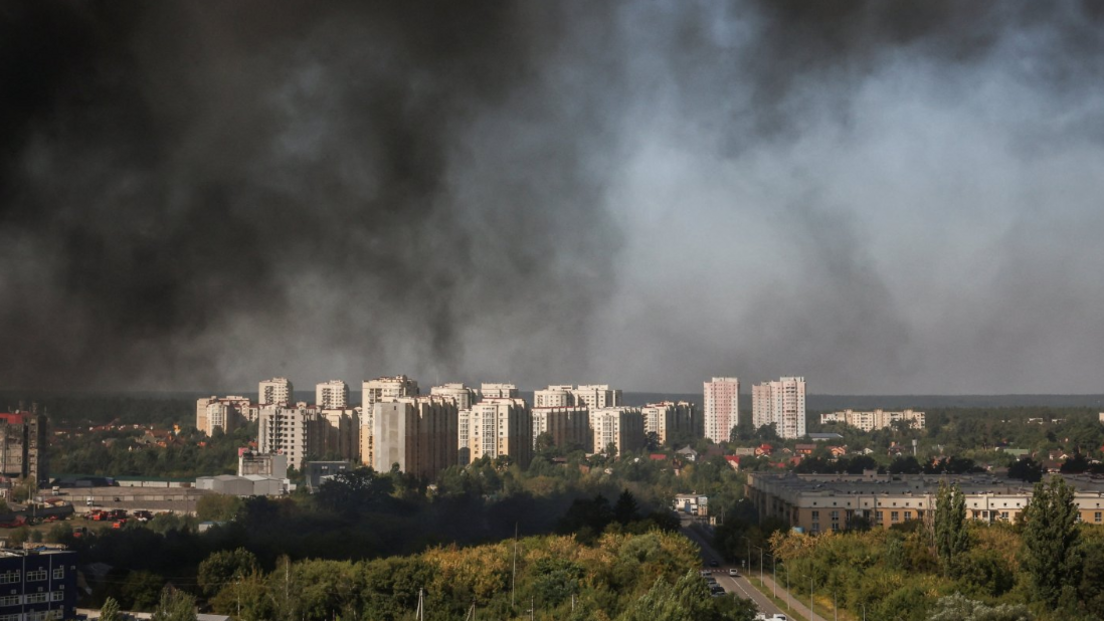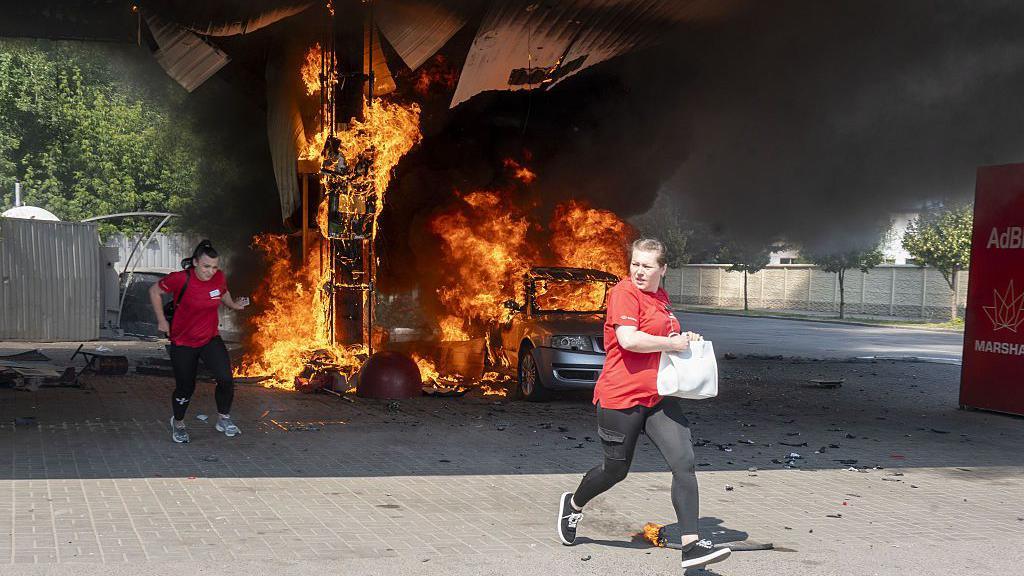
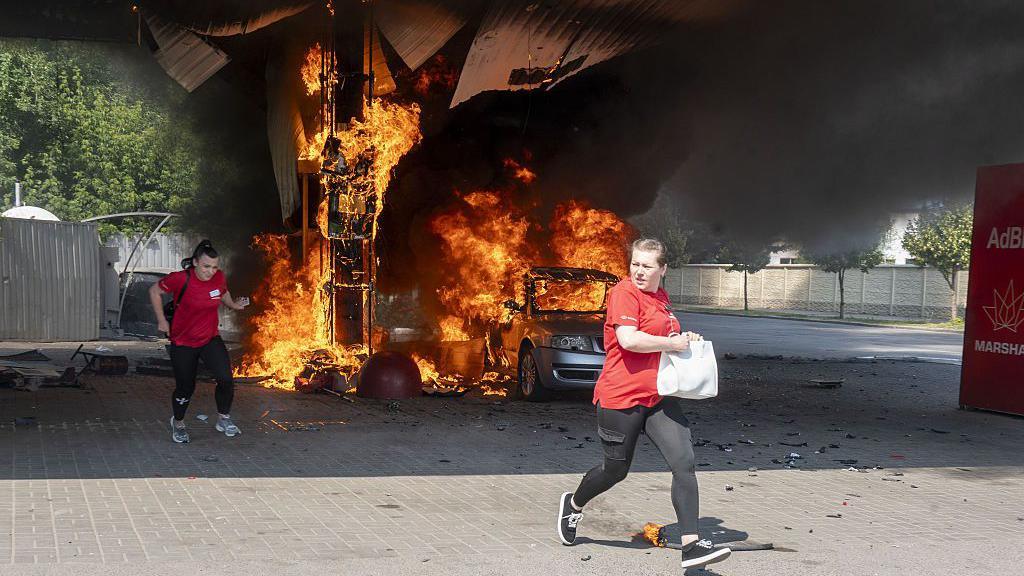
Russian drones have intensified attacks on Ukrainian petrol stations, hitting more than 200 sites since April. The recent strikes in Kharkiv and Kryvyi Rih underscored the danger for civilians, with police advising motorists to leave filling stations and abandon vehicles during air‑raid alerts to avoid casualties.
The attacks rely on Iranian‑made Shahed drones, a costlier and more destructive alternative. One petrol station reportedly suffered five Shahed hits, illustrating the growing severity and armament of the assaults.
Despite the loss of numerous stations, Ukraine’s fuel market remains resilient. The small percentage of damaged stations is offset by higher sales in other regions and by the country’s reliance on a diversified, mostly road‑based supply chain.
In contrast, Russia confronts severe fuel shortages following Ukrainian strikes on its refineries. Russian petrol stations are largely unusable, with only about 28 % remaining operational, a sharp drop described by Moscow’s Izvestia newspaper.
Local Ukrainian authorities have responded by relocating stockpiles, constructing protective shelters and shortening operating hours at stations. Drivers now fill up quickly and move on, accepting minor detours to maintain supply.
Overall, the attacks form part of a broader strategy aimed at terrorizing the public and forcing concessions, but experts say the impact on fuel availability in Ukraine is currently limited.