Ukrainian Accused in Germany of Orchestrating Nord Stream Pipeline Blasts
by Parul Gupta | 1 hour ago
German prosecutors today announced charges against a Ukrainian national, revealed only as Serhii K under German privacy law, for allegedly leading a coordinated attack on the Nord Stream pipelines under the Baltic Sea in September 2022. The suspect was arrested in Italy last summer and extradited to Germany in November, where he now faces a formal indictment.
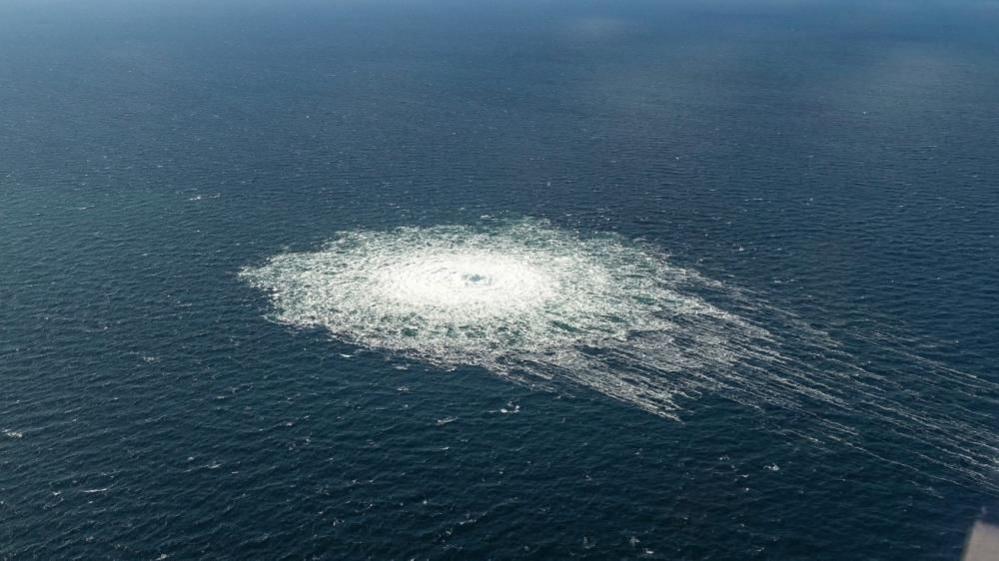
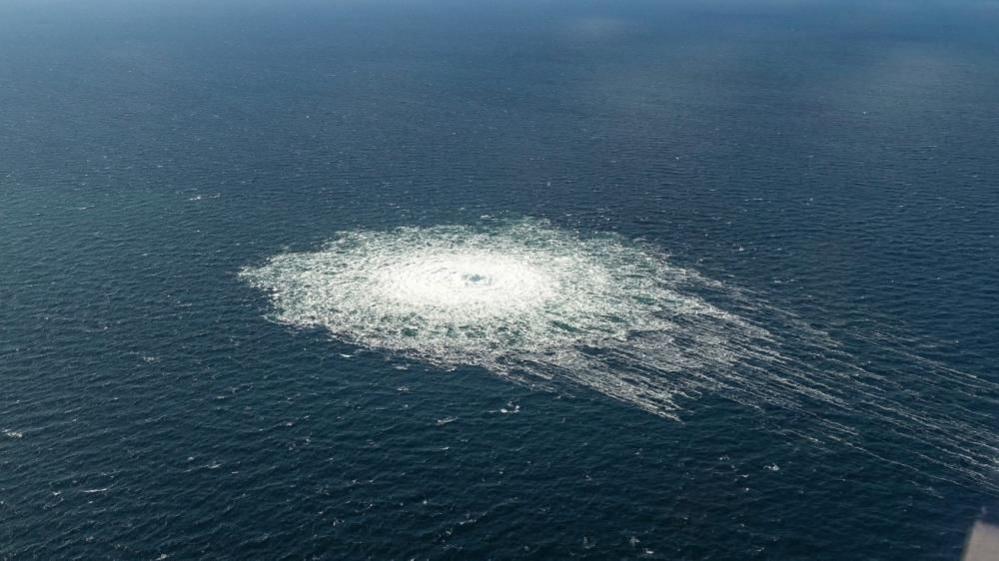
According to German media, the indictment accuses Serhii K of leading a group of seven accomplices to destroy three of the four pipelines. The charges also cover attacks on civil energy infrastructure, causing explosions, and the large release of methane into the Baltic Sea. The blasts left the multi‑billion‑dollar asset inoperable and caused a record‑breaking gas leak.
Serhii K has denied any involvement. No Ukrainian state—or any foreign state—has yet admitted responsibility for the attacks, which remain shrouded in mystery. In spite of this, the case poses serious diplomatic risks for Ukraine‑Germany relations, as Germany is the country’s biggest source of European military aid.
- The team allegedly destroyed three of four pipelines, causing significant energy disruption.
- The attack released massive amounts of methane, creating an environmental emergency.
- Serhii K is accused of coordinating the operation, claiming leadership over a seven‑member crew.
- Ukraine has officially denied any role in the sabotage.
The Nord Stream story unfolds against a backdrop of escalating tensions: Germany had cancelled approval for Nord Stream 2 shortly before Russia’s invasion of Ukraine. In 2022, Russia shut down Nord Stream 1, citing equipment problems, only for a series of explosions to wreck three of the four pipelines on 26 September 2022.
The charges against Serhii K highlight the intricate legal and diplomatic webs in play when energy infrastructure is targeted. While the explosive physics of the blasts caused immediate damage, the longer‑term fallout affects European energy security, geopolitical alliances, and the information war surrounding sabotage origins.