
In brief
Two Ukrainian drone strikes hit Wildberries warehouses in Tambov and Elektrostal, killing eight people and injuring 62. The logistics centers supplied components for drone and navigation technology. Ukrainian President Volodymyr Zelensky described the targets as major logistics facilities used for sanctioned components, while Russian officials and governors confirmed the casualties and reported 48 drones shot down that night. The incident marks a new wave of long‑range strikes on Russia’s energy and retail infrastructure, with the large online retailer, comparable to Amazon, losing a significant asset amid ongoing fuel shortages. Wildberries CEO Tatyana Kim called the attacks a “terrible night” for the company and the country.
Eight people were killed and 62 injured when Ukrainian drones targeted two Wildberries warehouses. Wildberries, the biggest online retailer in Russia, is often likened to Amazon; its merged RWB group reached a market value of about $12.6bn in 2026.
Seven fatalities and 25 injuries occurred at a warehouse in Tambov, located roughly 295 miles south‑east of Moscow. One death and 37 injuries were recorded at the Elektrostal site in the Moscow region.
Ukrainian President Volodymyr Zelensky described the attacks as having struck major logistics facilities that supply components for drone production and navigation equipment. He also stated that Ukraine had targeted sites in the Sea of Azov, the Black Sea, and Crimea.
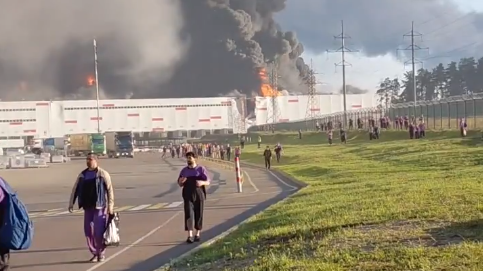
Unverified footage of one strike showed flames engulfing a vast logistics building while workers fled a car park, and subsequent videos captured the walls disintegrating under the impact.
Russian authorities reported that 28 drones were shot down during the Tambov attack and 48 were intercepted over the Moscow region. An oil depot was also struck, prompting additional emergency response actions.
Wildberries CEO Tatyana Kim identified the strikes as a “terrible night” for both the enterprise and the nation, underscoring the growing risk to Russia’s commercial infrastructure amid ongoing sanctions and fuel shortages.
These incidents signal a new escalation in Ukraine’s long‑range strategic operations, intensifying pressure on Russia’s supply chains and energy assets during the broader conflict that began in February 2022.

