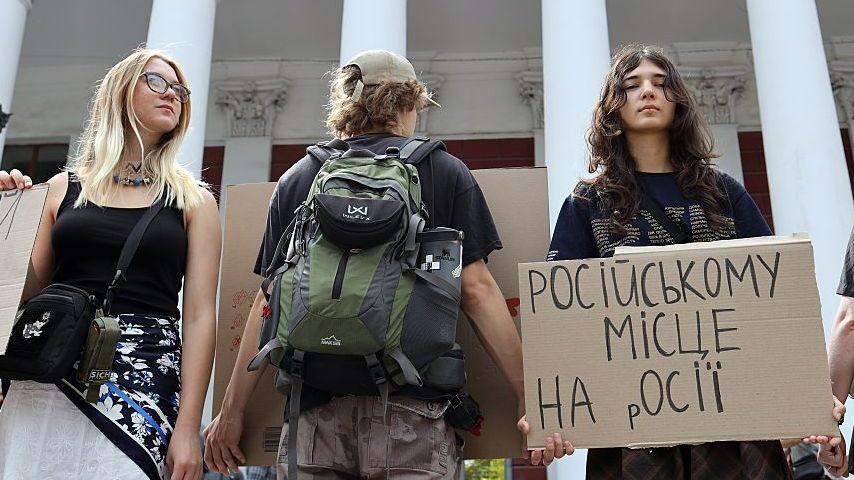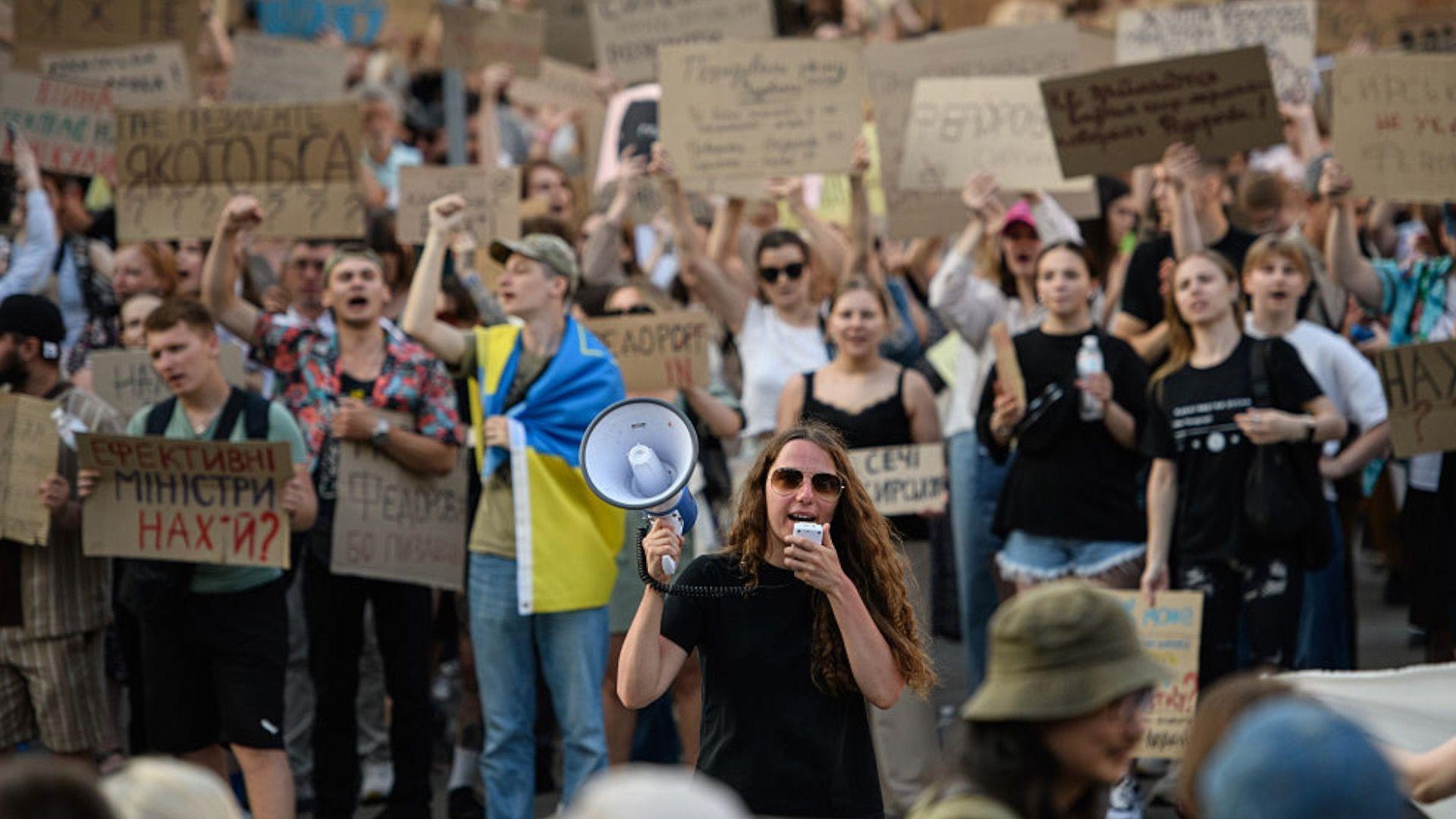
The streets of Kyiv erupted in protest on Thursday after President Volodymyr Zelenskyy announced that Defence Minister Mykhailo Fedorov would not be re‑appointed to his role. Soldiers at the front expressed outrage in a video posted on Telegram, stating that the dismissal would undo the reforms that had given Ukraine a technological edge in the war against Russia.
"The decision is a slap in the face to all service members," said a soldier identified as Maryna. She added that the move had "given us a false sense of security" and that the reforms would be lost if Fedorov were removed.
Fedorov, 35, led a campaign to modernise the Ukrainian military, turning it into a digital force. Under his leadership the command introduced the ‘Army of Drones: Bonus’ scheme, allowed the use of AI and interceptors to protect cities, and secured a partnership with Elon Musk to block the use of Starlink by Russian forces.
Front‑line soldiers, many of whom had suffered multiple injuries, voiced concerns that the cessation of Fedorov’s initiatives would put Ukraine at a disadvantage as the enemy prepares new offensives. One former soldier, Natasha, told reporters that ‘nobody cared about Fedorov’s plans when artillery burst through our positions with MLRS.’
The decision appeared to stem from an escalating clash between the young reformer and the senior brigade of the old Soviet‑era military, headed by General Oleksandr Syrskyi, 60. According to soldier commentaries, Syrskyi’s estimate that the Ukrainian leadership was still governed by outdated practice led to a short‑circuit of the defence ministry, making it impossible for Fedorov to implement his reforms.
Erik Stupak, a former intelligence officer and contemporary analyst, described Fedorov as “the man who brought the war into the 21st century.” He noted that the dismissal could reverse years of work and produce strategic vulnerability, especially in the upcoming autumn and winter when Russia may raid Ukraine’s energy grid.
The insecurity caused by the dismissal also raises questions about President Zelenskyy’s leadership style. Critics argue that the president’s repeated sidelining of popular officials reflects a shift toward more authoritarian governance, in contrast to his previously outspoken comedic persona.
The protests are a rare rebellious act in a country that has grown rarely seen mass demonstrations against the government. The government has appointed an interim acting Defence Minister, Yevhenii Khmara, but most soldiers remain skeptical that the reforms will survive the transition.
The situation is a delicate moment for Ukraine’s war effort, weighing on morale and the potential disruption of the digital and cyber advancements that are increasingly crucial in modern warfare. The next weeks will determine if the reforms Fedorov championed can survive the shake‑up of the defence ministry’s leadership.