Unveiling 9/11: New Videos Show Saudi‑Linkage of Omar al‑Bayoumi
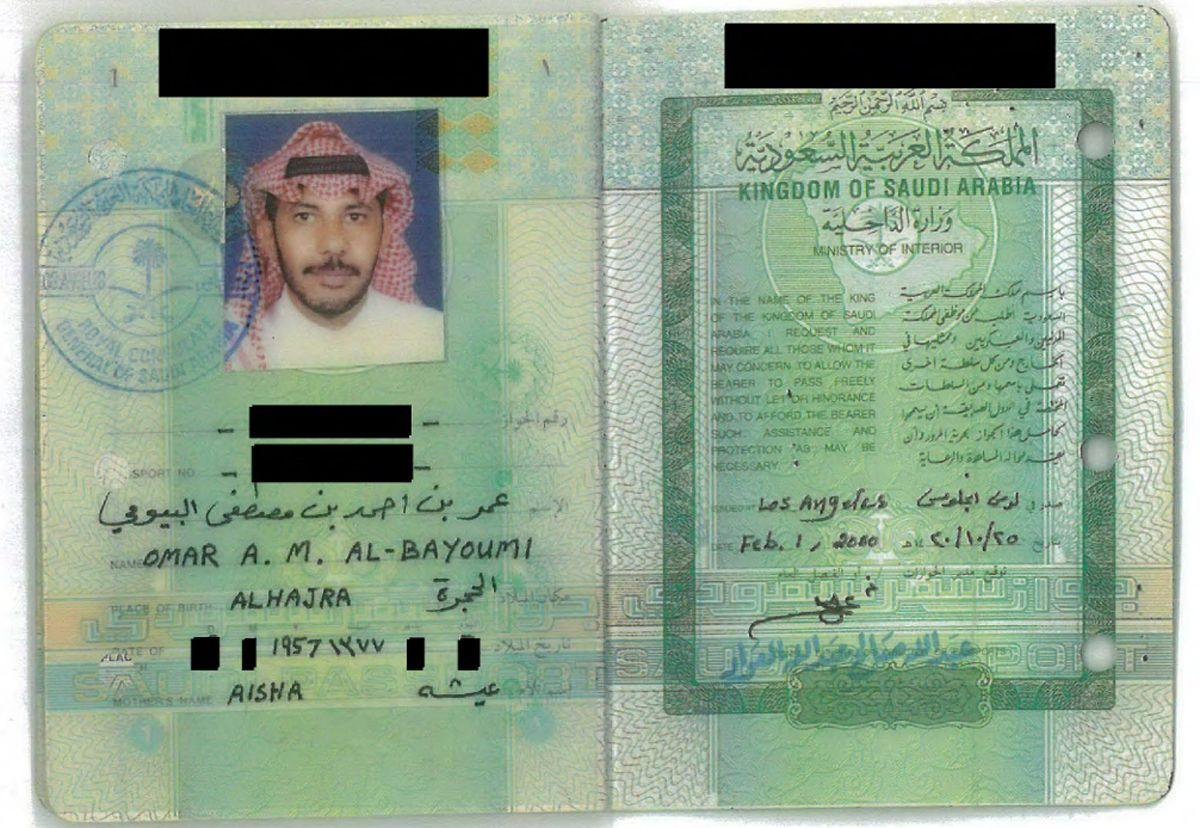
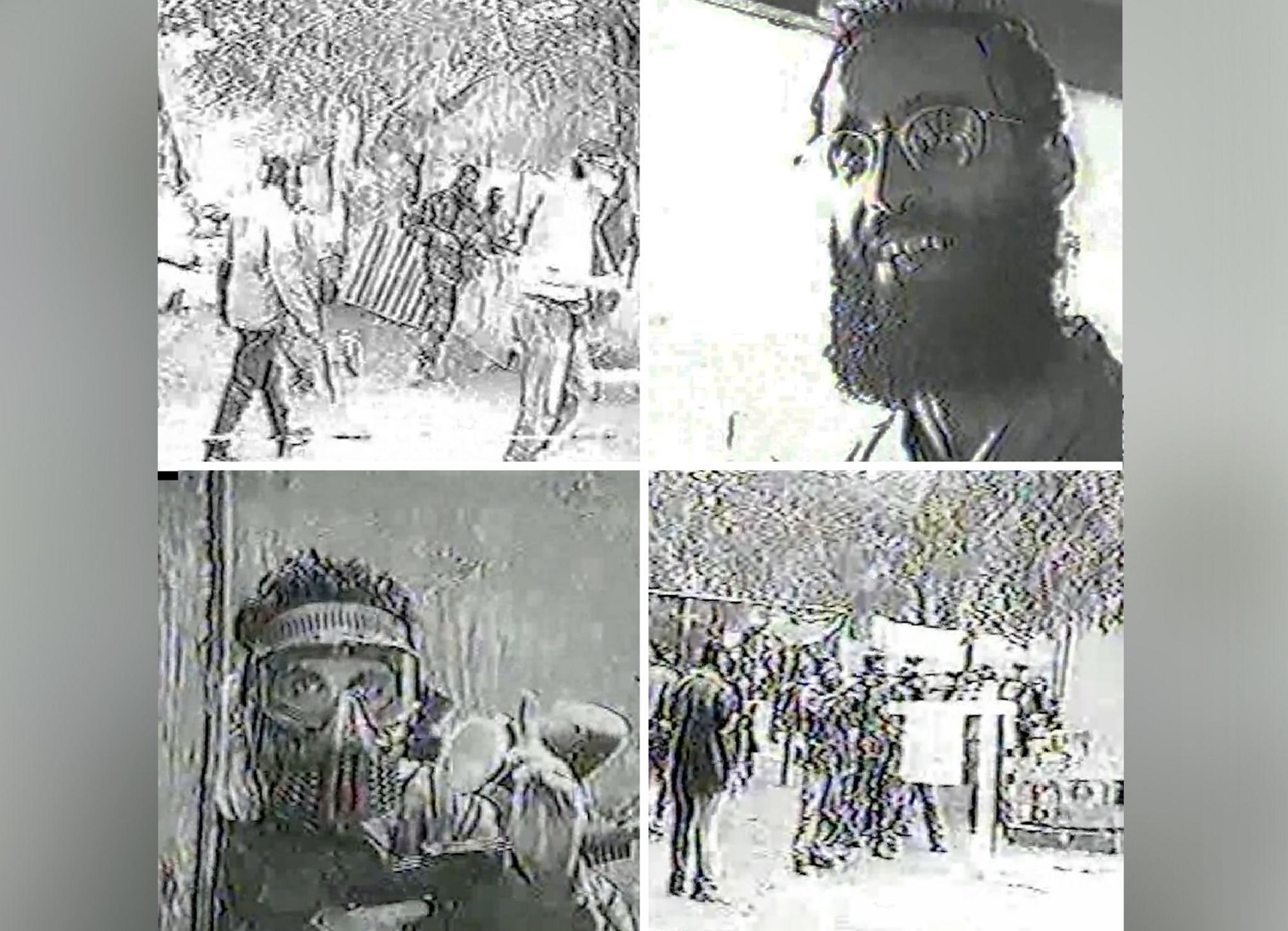
The 9/11 families’ lawsuit has finally opened the door to video evidence that places Omar al‑Bayoumi – the man whose name emerged in the immediate aftermath of the attacks – beside Saudi officials and the future al‑Qaeda leader Anwar al‑Awlaki. The footage, recorded in the late 1990s near San Diego, shows Bayoumi and Awlaki embracing and later paintballing in military fatigues, an event that the FBI had in its possession within days of 9/11 but never shared with investigators in the US.
A yellow‑lined notebook page found in Bayoumi’s Birmingham home and carried by UK police to a London FBI office carried a diagram of a descending aircraft and equations that, according to experts, could have been used to calculate a crash path. The page was only added to the court record after a 2018 federal ruling and remained in a black‑hole of evidence until the 2022 declassification order. “It is the smoking gun we were looking for,” stated Jodi Westbrook Flowers, a lawyer in the families’ team.
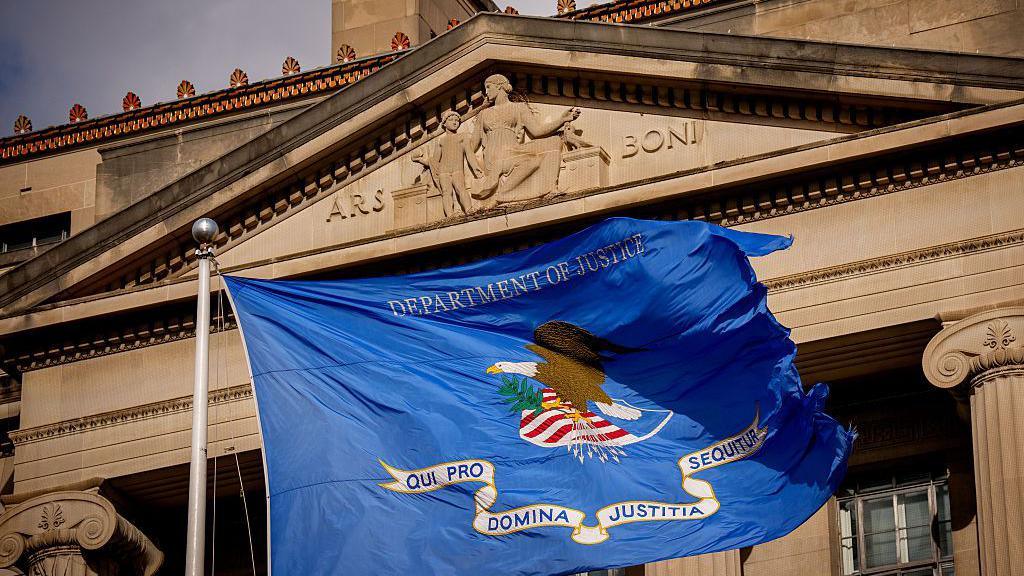
Despite multiple FBI and DOJ requests, the paintball video did not appear in after‑crime summaries, and investigations into Bayoumi’s contacts were blocked because Saudi diplomats are protected under diplomatic immunity. In 2003 a 9/11 Commission interview, held in Riyadh in the presence of secret police, gave Bayoumi a ceremonial dinner, but the commission’s final report concluded he was ‘unlikely’ to have had extremist ties – a conclusion contested by some staff who saw the same evidence the US courts and FBI had omitted.
The case underscores how critical material was withheld, not supplied to US field offices in San Diego, and how the US prosecutor’s office never moved to charge Bayoumi – a fact highlighted by former deputy director Jeffrey Breinholt, who remarked that “the paintballing footage would have been material support.” The FBI’s failure to bring Bayoumi to trial prompted a federal judge in 2009 to remark that prosecutors had “convicted people for less.”
These revelations invite a reassessment of the evidence handling processes surrounding 9/11 and raise questions about the interplay of Saudi intelligence and US counter‑terrorism.