In brief
As the Milan-Cortina Winter Olympics approach, the importance of properly prepared Olympic ice becomes evident. Learn about the role of ice masters, the different ice requirements for various sports, and how external factors influence ice quality.
What is Olympic ice and how is it made?
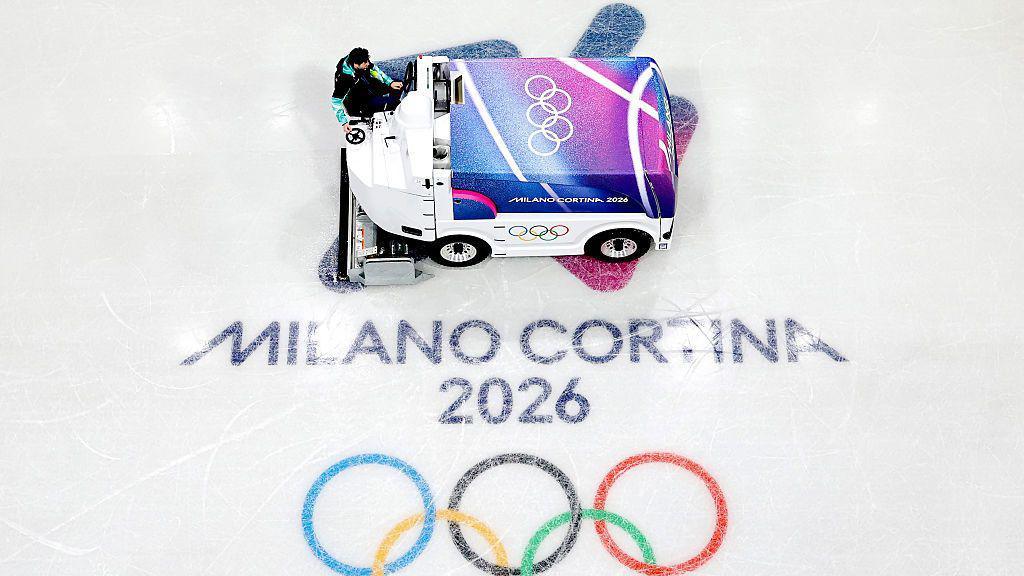
Olympic ice refers to the meticulously maintained ice surface necessary for international competitions, particularly at the Winter Olympics. This ice is crafted and overseen by skilled technicians known as 'ice masters' whose mission is to ensure the surface is ideal for athletes across various sports such as curling, ice skating, and ice hockey.
The preparation of Olympic ice begins with the installation of five centimeters of insulation over the concrete base, followed by a vapor barrier. Engineers then lay mats filled with glycol to maintain the desired cold temperatures for the ice. Once the boards and glass walls of the rink are erected, approximately two inches of water are added on top of the glycol mats to form the foundational ice sheets, which are then painted white and sealed with necessary markings before a final layer of water is applied to create the playing surface.
Ice hockey arenas, like the one built from the ground up for the Milan-Cortina Games, require meticulous planning and preparation, especially given recent construction delays.
According to ice master Mark Messer, preparing the ice for the Olympics presents unique challenges, especially given that this will be the first instance where temporary venues are utilized for long track speed skating.
How does ice differ between sports?
Different Winter Olympic sports require varying ice conditions. Curling, for example, necessitates ice with a pebbled surface to help slow the stones as they glide, while ice hockey requires a harder surface for quick stops. Long track speed skating demands extremely thin and cold ice for optimal performance, making it the coldest type of Olympic ice.
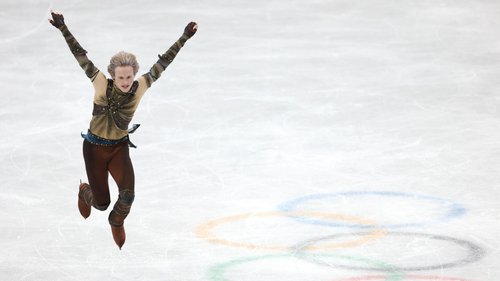
In Milan-Cortina, figure skating and short track speed skating will take place in the same venue, necessitating substantial alterations to the ice conditions. Figure skating demands a warmer, softer surface for safe landings, while short track skating requires colder, thinner ice.
The importance of water quality
Purity of water is critical in maintaining the quality of Olympic ice. Ice masters take great care to measure the pH levels and total dissolved solids in the water, ensuring it is devoid of impurities to prevent the ice from becoming cloudy or breaking apart.
Influences on ice quality
Moreover, external factors such as temperature fluctuations, lighting conditions, and venue capacity can all affect the integrity of the ice. As noted by Messer, factors including air temperature, humidity, and spectator noise all play a crucial role in the quality of the ice, necessitating constant monitoring and adjustments.