In brief
In a recent incident that sparked outrage, the Naga community in India sought to reclaim ancestral remains auctioned in the UK, highlighting the continued impact of colonialism on indigenous cultures and the fight for repatriation.
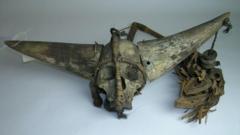
In a shocking revelation, Naga tribal member Ellen Konyak discovered a 19th-century skull from Nagaland listed for auction at a UK antique center, sparking immediate outcry from indigenous groups. The sale, organized by The Swan at Tetsworth, offered the skull of a Naga tribesman for a staggering £3,500 to £4,000, alongside other controversial items, showcasing a lack of sensitivity to the remains of indigenous peoples. Ellen, who is involved with the Naga Forum for Reconciliation (NFR), expressed her distress, stating, “To see that people are still auctioning our ancestral human remains in the 21st Century was shocking. It was very insensitive and deeply hurtful.” Following significant protests, including a letter from Nagaland's chief minister condemning the auction as "dehumanising," the auction house promptly withdrew the item.This incident has reignited discussions surrounding the repatriation of Naga ancestral remains preserved in various museums and collections around the world, especially in the UK. Scholars suggest these remains reflect a troubled history of colonial exploitation, with many taken without consent. Alok Kumar Kanungo, an expert on Naga culture, estimates that the UK's institutions house about 50,000 artifacts related to the Naga people, with the Pitt Rivers Museum alone containing over 6,550 objects, including human remains.The ethical concerns surrounding the display and ownership of human remains have prompted many museums to reevaluate their collections. Recent developments have seen institutions return remains from communities like the Maori and various indigenous groups in Australia and North America back to their rightful descendants. The Pitt Rivers Museum had already removed Naga skulls from public sight, leading to a call by the NFR for their repatriation.Campaigners advocate for a thorough process of recognition and distribution, acknowledging the spiritual significance of these remains. Anthropologists Dolly Kikon and Arkotong Longkumer are leading efforts to navigate the complexities of repatriation laws, stating the work resembles "detective work" to gather information on the origins of these artifacts.As they work to educate and engage with local Naga communities, the group has encountered elders who were unaware that their ancestors' remains lay thousands of miles away. This awareness has raised concerns about the cultural and spiritual implications of the fractured connection to their heritage. Konyak reflected on the personal connection to the human remains and emphasized the importance of repatriation as a form of respect and dignity for their culture.With colonial history lingering in the collective memory of the Naga and other indigenous peoples, the call for the return of ancestral remains symbolizes a larger battle for justice, recognition, and the reclaiming of cultural narratives long suppressed by colonization.