UNFPA reports a sharp rise in violence against women and girls in Gaza
According to the United Nations Population Fund (UNFPA), the Gaza Strip has seen a dramatic increase in gender‑based violence (GBV) during the last three months of 2026. Data collected from 10 different NGOs and research teams show a 123 % jump in early and forced marriages between April and June, affecting girls aged 12‑17.
The reports also expose a terrifying pattern of sexual violence. A survey of 230 women in crowded displacement camps in Gaza City and Khan Younis found that rape victims were often married to their perpetrators to avert shame. In one case, a school‑turned‑shelter hosted a wedding the day after a rape incident was discovered.
Famine and desperation have pushed families to trade marriage for food. A widow’s daughter was given in marriage for two bags of flour so her family could survive, a practice almost unimaginable before the war.
Consequences of child marriage
UNFPA representative Nestor Owomuhangi warned that early pregnancy leads to miscarriages and under‑weight babies. The law in Gaza allows marriage as young as 14 years and seven months with a judge’s approval, a variation that was no longer in force before the conflict.
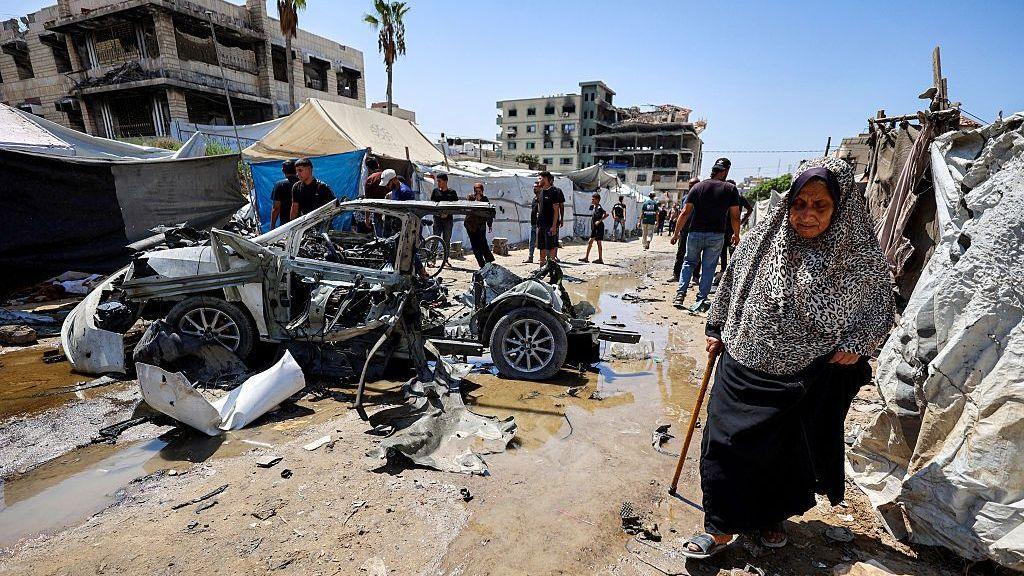
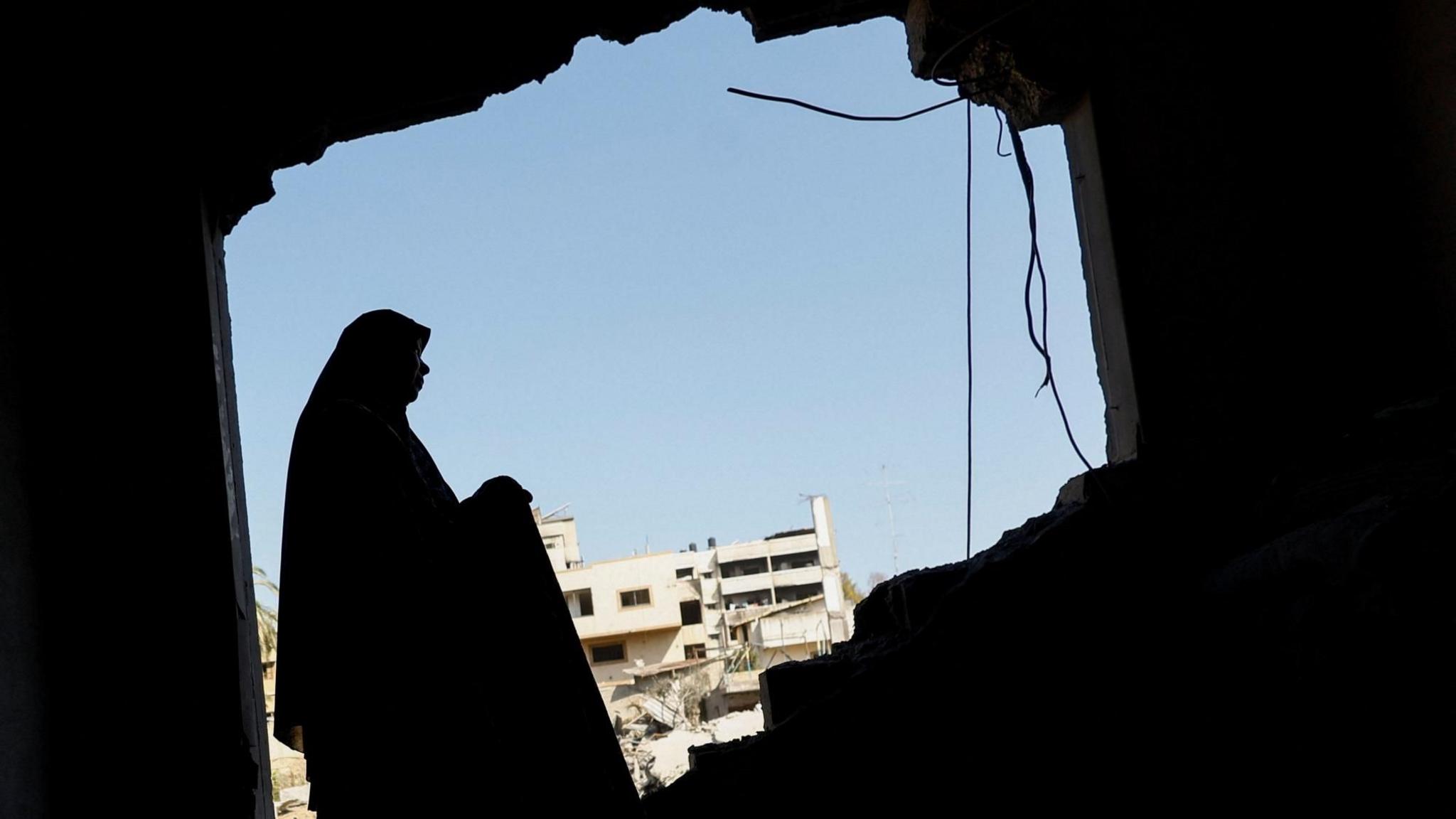
The pandemic of gender‑based violence is compounded by fractured infrastructure. Nearly every resident of the two‑million‑strong Gaza population lives in tents or damaged buildings, while schools have been closed for almost three years. Women report extreme sexual harassment in public spaces and fear “night: they avoid toilets because of the threat of attackers.”
The UN’s latest report highlights that 2.7 % of all GBV cases from April to June were sexual violence – a 61 % increase over the previous quarter. The majority of survivors were women between 18 and 59; 8 % were adolescent girls and 5 % were adult men.
Call for improved humanitarian response
Aid agencies argue that better shelters, upgraded sanitation, secure lighting and food support could significantly lower the risk for women. The UN urges Israel to allow higher‑quality shelters and necessary equipment, arguing that the restrictions placed on dual‑use items hinder these efforts.
In the meantime, women and girls hope for a future where they can feel safe enough to return to education and community life.