What is kratom, the ‘gas station heroin’ alarming US officials?

What is kratom?
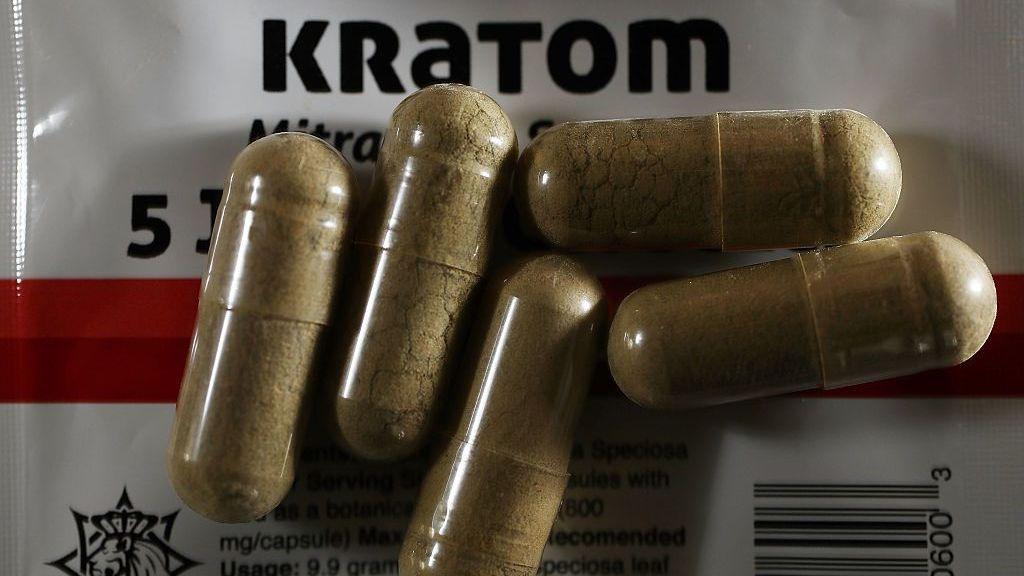
Kratom is a tree native to Southeast Asia whose leaves are ground into a tea‑like powder or pressed into pills. Originally used locally for its stimulant effects, the plant entered the U.S. market as a dietary supplement around 2016.
In the United States it is sold in high‑concentration forms—pills, powders or liquids—and is found in convenience stores, petrol stations and vape shops. The supplement classification keeps it free from federal regulation, meaning there is no guarantee of purity or dosage accuracy.
What is kratom used for?
Many users purchase kratom for pain relief, anxiety and depression. Lower doses deliver a caffeine‑like buzz, while higher doses mimic opioid‑like euphoria.
The plant’s alkaloids, such as 7‑Hydroxymitragynine, stimulate dopamine pathways, which some people use as an alternative to prescribed opioids or to ease withdrawal from drugs like fentanyl.
Effects and dangers
At large doses kratom can produce hallucinations, central nervous system depression and potentially fatal respiratory failure. Users often develop tolerance, necessitating higher doses that further increase risk. Withdrawal can be severe, and addiction is a documented problem with long‑term users reporting significant personal and financial harm.
Because the product is unregulated, users cannot rely on consistent ingredient lists or quality control.
Is kratom legal?
Eleven U.S. states—including Alabama, Arkansas, Connecticut, Indiana, Kansas, Louisiana, Massachusetts, North Dakota, Tennessee, Vermont and Wisconsin—have banned kratom. Massachusetts issued its emergency ban in August. The Drug Enforcement Administration has attempted to schedule it as a Schedule 1 drug, but the effort was halted after public opposition.
Legal status varies beyond the U.S.; for example, the United Kingdom and Malaysia have outright bans, while other European countries have differing regulations.