WhatsApp Cash Transfer: Tracking an International Crime Network
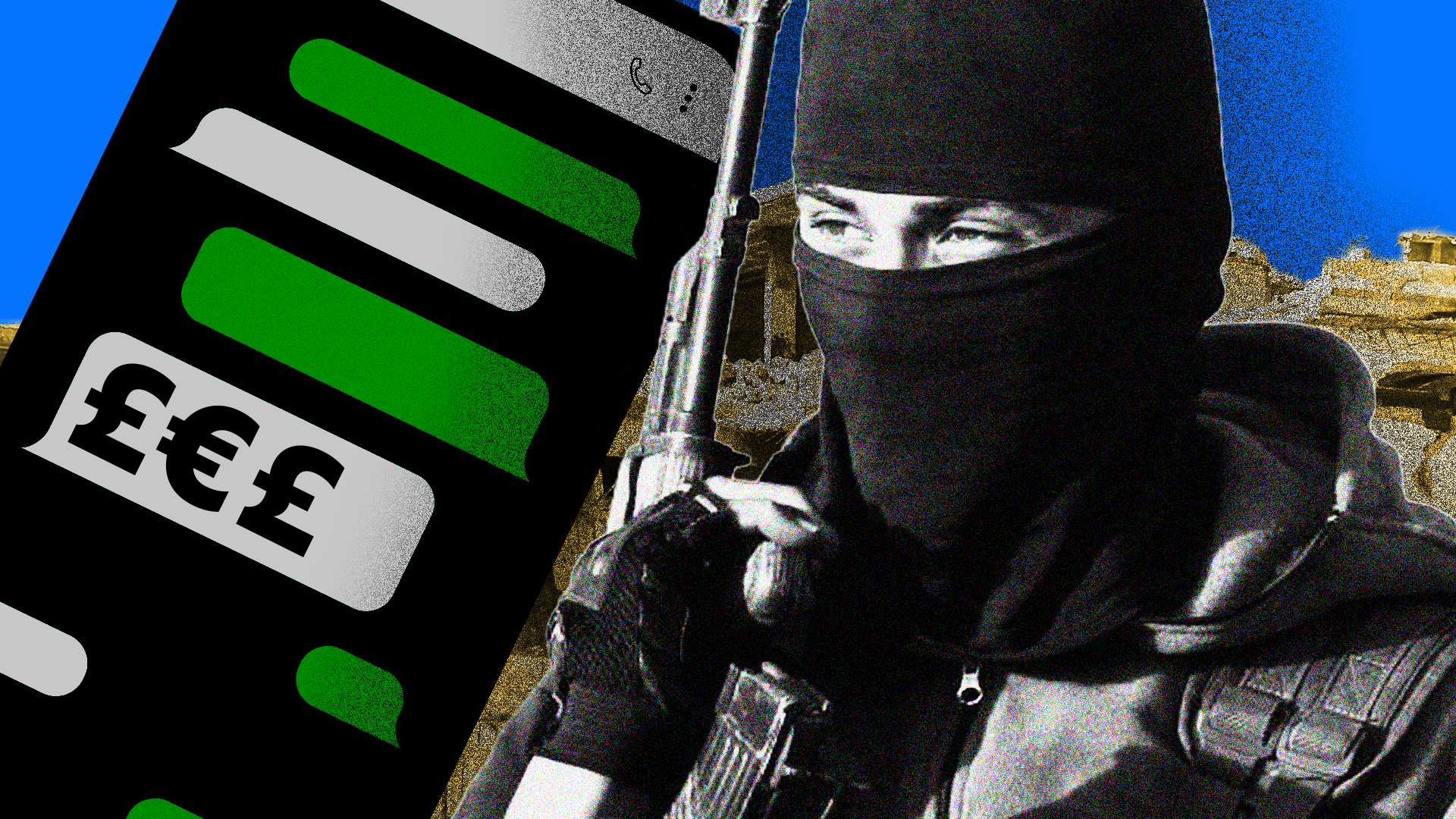
A 532‑member WhatsApp group, dubbed “Traders of Greater Europe,” sent hundreds of millions of euros in cash across borders. Coordinating with the ancient hawala money‑lending system, the chat allowed criminals to move funds without a paper trail, enabling terror financing, drug trafficking and people smuggling.
The 82,000+ messages span late February to December 2022, revealing calls like “We need 60,000£ London” and “Sent Dortmund.” A single phone, seized in 2024, held 6,000 photos of €5 notes and identity cards—proof of at least 12,000 transactions.
Belgian magistrate Vincent Guerra described the find as “hitting the jackpot.” His investigation became part of a wider EBU inquiry that uncovered other European hawala rings used for organised crime and human trafficking. In Austria, authorities raided a kebab‑restaurant‑run hawala office that processed payments for smuggling over 100,000 people into Europe in 18 months.
While hawala is legal in the UK when brokers register with HMRC, it remains illegal in most EU member states. The EBU’s work underscores the gaps in cross‑border regulatory frameworks that allow such covert money flows to flourish.


Authorities now say the “primary money‑laundering channel for organised crime” is hawala, beyond banking oversight. The fight against these invisible networks will demand stronger international cooperation and tech‑enabled monitoring of non‑bank transactions.