In India’s colossal public‑service machine, only a handful of officers become household names. They are not celebrities by career choice; they rise to prominence by doing exactly what their posts require – enforcing rules, cutting red tape, and ensuring fairness.
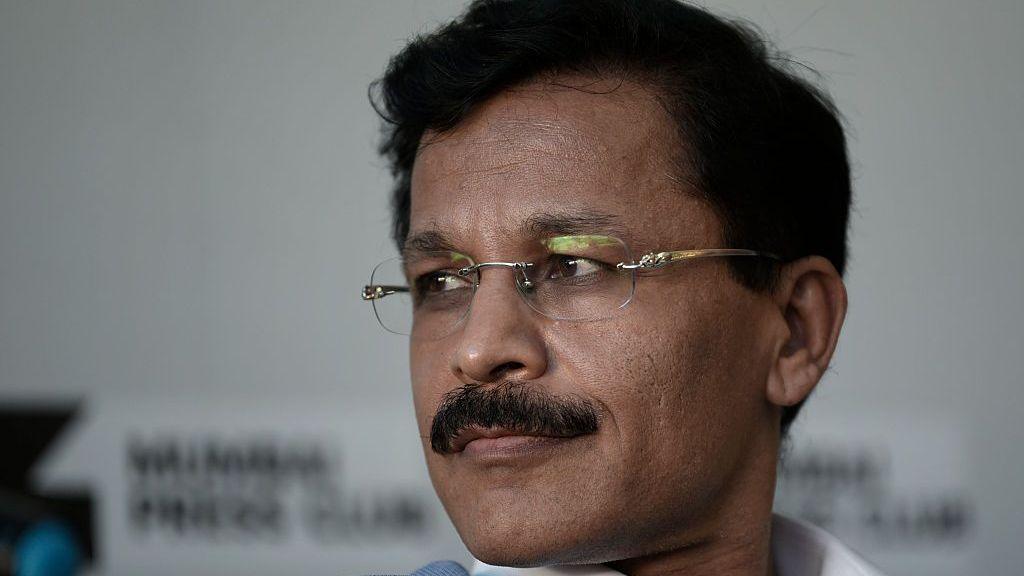
One such example is Tukaram Mundhe, 51, the commissioner of Maharashtra’s Food and Drug Administration (FDA). Since taking charge in May, he has led a series of enforcement drives that have taken restaurant owners, medical suppliers and food businesses to a new level of scrutiny. The FDA officers on the ground have identified pest infestations, expired products and practice of charging customers far beyond market rates for common medical supplies.
Mundhe’s inspections have been filmed and shared widely on social media. In a few short minutes, a video of a chef’s kitchen under investigation has reached millions of viewers, sparking applause and petitions that future officers should be put in charge of food safety across the country. The videos turned a routine inspection into an online spectacle that, according to the commissioner, was never about fame – it was purely a public-health response.
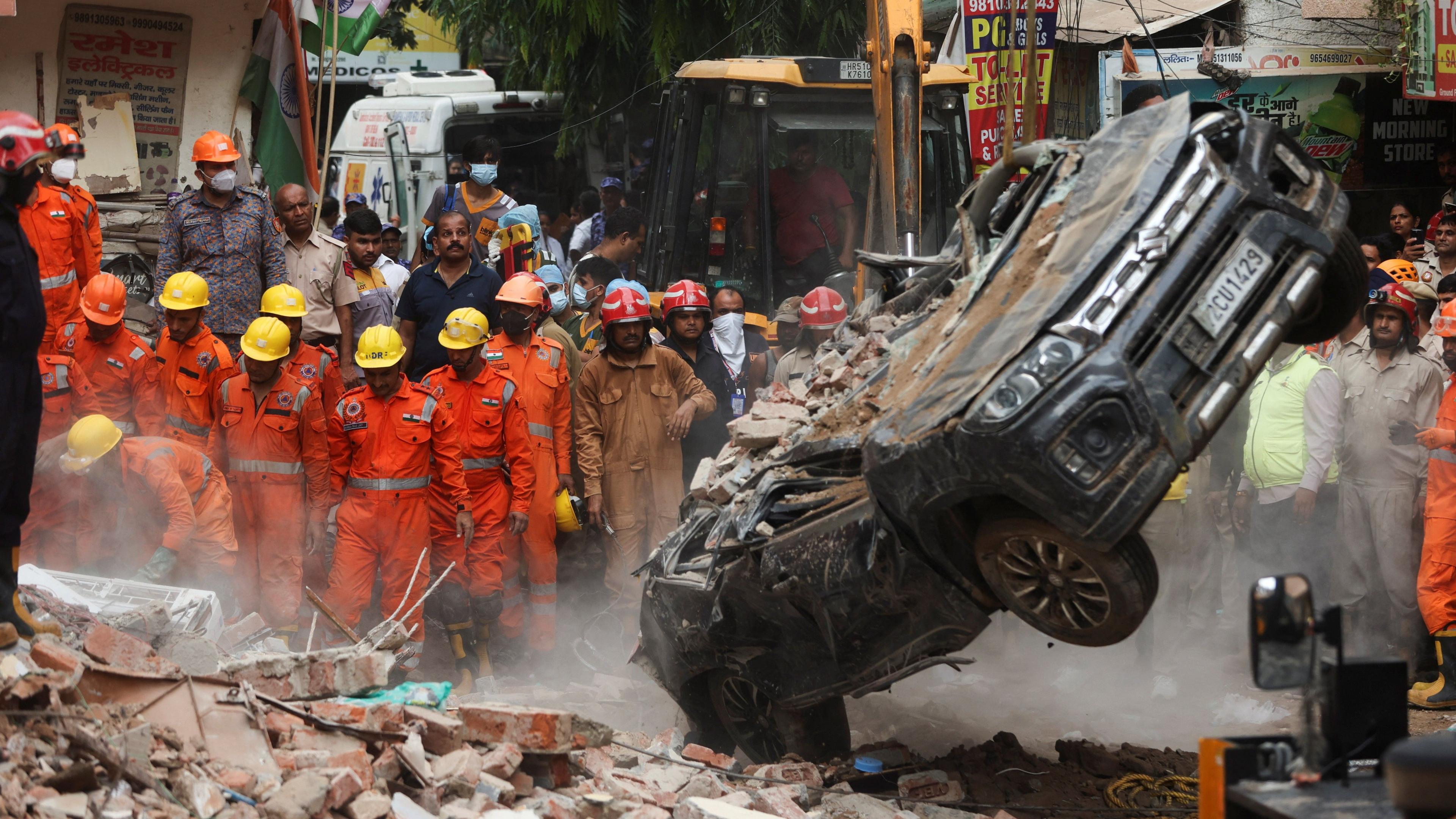
But Mundhe is not alone. In Gurugram, a suburb of Delhi, district town‑planner RS Batth has attracted praise for acting against illegal building and encroachment. Both officers have faced accusations of selective enforcement, and critics argue that their actions can be harsh for the poor, the homeless or the house‑holders who rely on informal economies to survive. The inherent tension between the law and the ground realities of a rapidly urbanising country can make the same enforcement act appear either lawful or cruel.
Retired civil servant Kamal Kant Jaswal, who spent 36 years in the Indian bureaucracy, adds that most officials simply do their job daily without attracting notice. “Delays, bribery and indifferent treatment are so familiar to citizens that a straightforward, efficient bureau action feels exceptional,” says Jaswal. When somebody enforces a rule consistently and visibly, his work turns into a national talking point – a hero for doing just a job.
Social media has fast‑tracked the transformation. A meeting that once took weeks can now be streamed, shared and viewed by millions in minutes. The medium can turn an officer into a public sensation almost overnight. Yet for Mundhe the attention is merely incidental; the FDA laws already exist and it is his duty to apply them.
Across India, the spotlight can illuminate the best of the administrative system and the painful costs of bureaucratic indifference. While it is tempting to celebrate every case of “rule‑enforcement heroism,” the system remains fragile and fraught with political pressures. Strong institutional support is needed for officers who act independently and risk their careers and livelihoods. The rural landscape of the bureaucrats and the city lives of citizens converge in the same stories that are being told online, proving that even ordinary tasks, when done right, can be extraordinary.