In brief
Iran’s unexpected missile attack on a U.S. military base in Jordan has shattered a fragile pause, sending Washington into a retaliation cycle. Rather than aiming for a complete ceasefire, Tehran appears to value the leverage of a limited, calibrated conflict that pressures the U.S., strains global energy markets, and maintains domestic cohesion. The risks of escalation are weighed against the economic and military strain that a full war would impose, and Iran seems willing to gamble on controlled turbulence. But the ceiling of this strategy remains uncertain as regional actors may shift to a more decisive stance if the conflict widens.
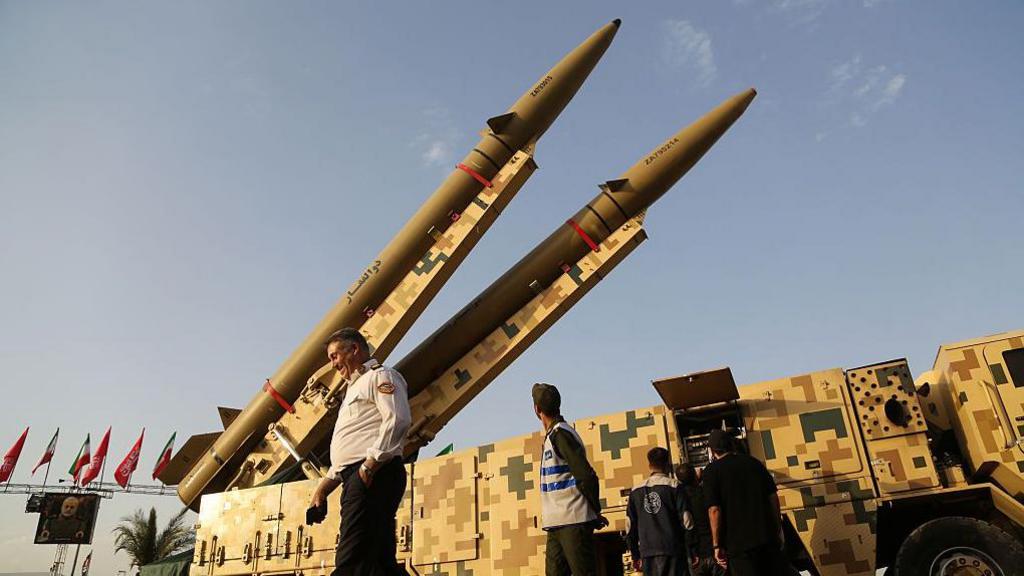
At first glance, Iran’s surprise missile strike on the U.S. base in Jordan seemed difficult to explain: it broke the fragile pause in direct US‑Iran fighting and prompted Washington to resume strikes inside Iranian territory, all while the attack itself was unusual.
If Tehran’s priority had been a ceasefire, the strike is hard to justify. But if Iranian leaders think that a controlled confrontation could offer greater strategic leverage, the decision becomes more understandable.
In other words, the Iranian government appears to view a limited war as potentially more advantageous than a negotiated peace. Tehran does not seem ready for an all‑out war—Washington has shown little appetite for a broader regional conflict that could threaten energy infrastructure and stretch U.S. military resources—and Iran’s weakened air defences, vulnerable industrial base, and sanctions‑constrained economy make rebuilding losses increasingly costly.
Respectable diplomacy would also benefit from keeping pressure on the U.S. and on global energy markets in a way that a ceasefire would not. Active disruption of shipping in the Strait of Hormuz—despite Iran’s domestic economic hardships—forces shipowners, governments, and insurers to remain alert to Iranian demands, giving Tehran a bargaining chip that a clean end to fighting would erase.
Iran also appears to be reshaping the diplomatic narrative. Rather than demanding unrestricted freedom of navigation, Tehran has insisted that shipping should operate under rules it can administer. If that interpretation is correct, the nation’s goal may be to embed its influence in any future reopening of the Strait of Hormuz rather than restoring the pre‑war status quo. A sustained, limited conflict could allow Iran to keep the pressure on without tipping into total war.
Domestic considerations also play a role. High inflation, unemployment, and public dissatisfaction could be deflected by rallying national defense around a conflict that bolsters government legitimacy. A prolonged war would relieve immediate internal pressures, even though it does not eliminate the underlying economic problems.
The calculation comes with significant risks; controlled conflict can spiral into uncontrolled escalation. Iran’s strategy is therefore a paradox: a level of leverage that can maintain pressure while avoiding a full‑scale war. Below the threshold of total conflict, the state seeks to keep sanctions, blockades, and economic isolation in place, while still forcing the U.S. and global markets to confront Iranian influence.
The extended conflict could eventually prompt wider international action. Saudi Arabia, the UAE, and others, initially hesitant to directly join, are already conducting strikes against Iranian‑aligned Shia groups. Widened shipping tensions might push more countries to accept a tougher response to Iran, eroding the tentative balance Tehran counts on.
In sum, Iran may believe that a carefully calibrated conflict remains preferable to an imperfect peace that leaves it still isolated and sanctioned. Yet the precarious line between a limited crisis and an all‑out war will demand constant adjustment and could ultimately shape the next phase of U.S.–Iranian relations—whether through escalation or concession.