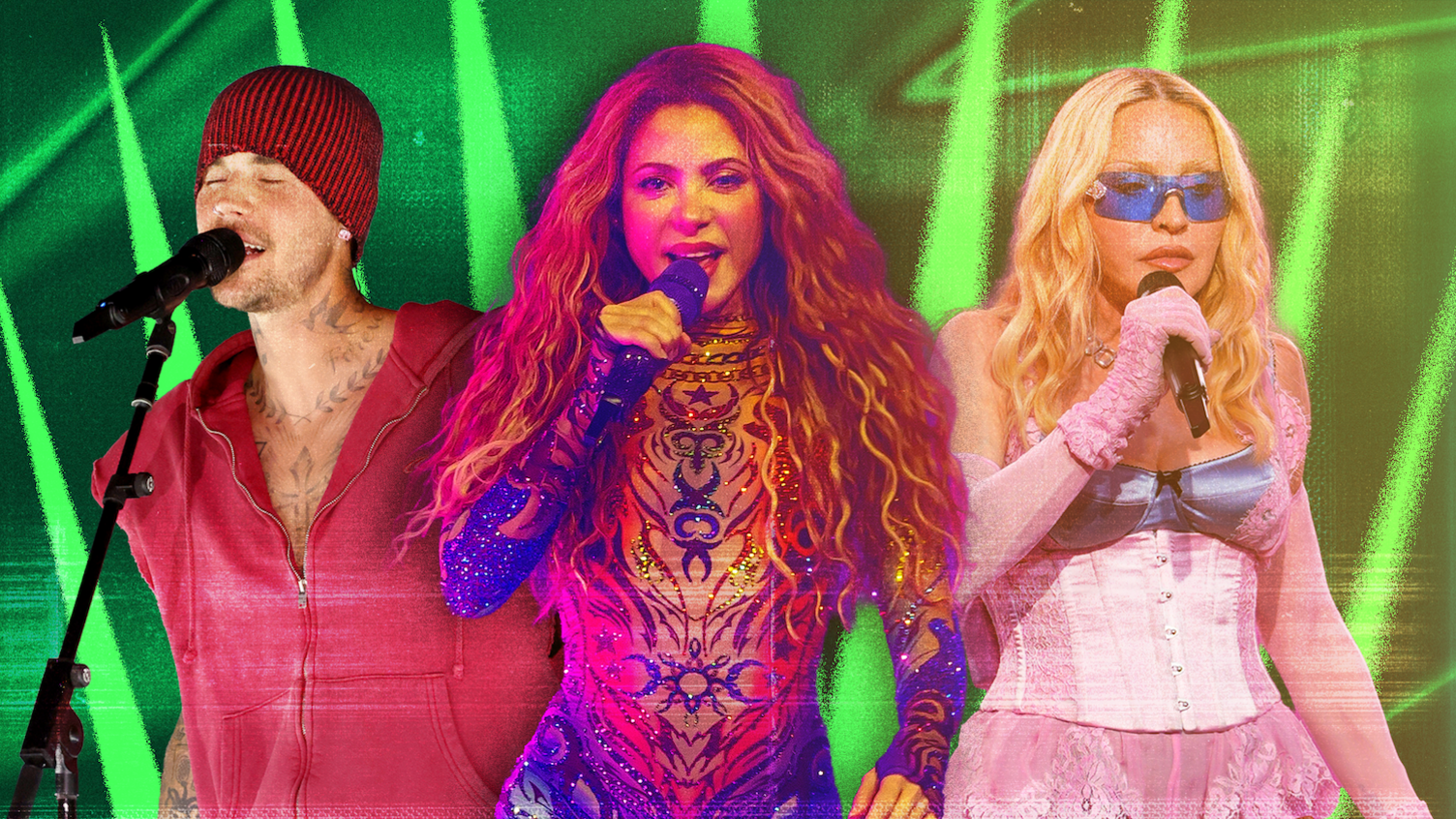
World Cup Half‑time Show: A Game‑Changing Experiment
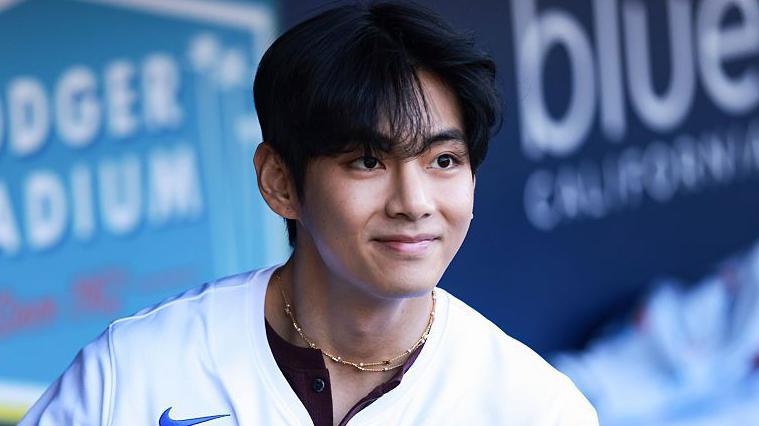
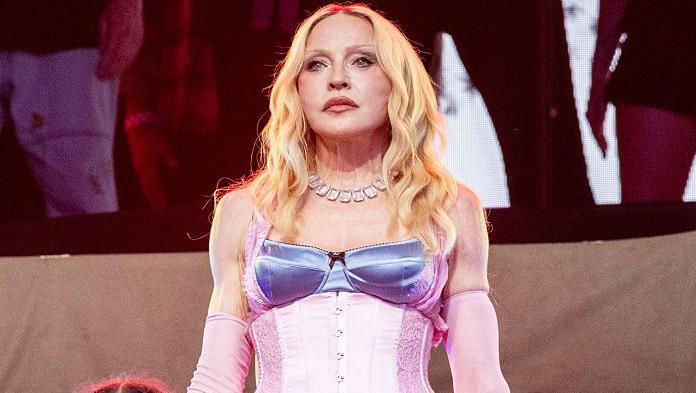
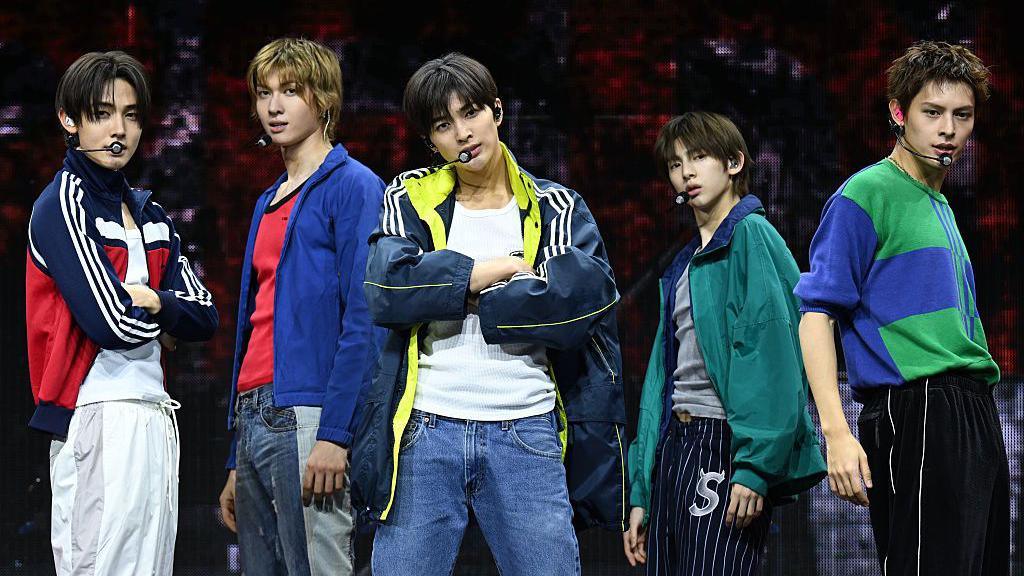
The 2026 FIFA World Cup final in MetLife Stadium will feature an unprecedented half‑time show, unfurling for up to a quarter of an hour. Artists such as Madonna, Shakira, BTS, Justin Bieber and Burna Boy will perform on a stage built into the stands, a first for the tournament’s history.
The length of the break – 25 minutes – clashes with the International Football Association Board’s standard of a 15‑minute maximum stoppage, raising questions about player rest, injury risk and fairness in competition.
Broadcasters will still run analysis during the stage build‑up, while the live show itself will reportedly include moments of stage lighting, choreography and special effects. Critics warn that such a distraction could undermine the sporting focus and that fans may drink, stream and cheer rather than watch the match itself.
James Massing of Live Nation, who oversaw the show, argues that integrating music brings the energy of a final to a new level, while stressing that player welfare remains a top priority. He has worked on the Super Bowl and the previous Club World Cup final, where a 24‑minute show featured acts such as Coldplay and Doja Cat.
Ellis Platten, a football content creator, worries that the half‑time show and hydration breaks could become routine domestic league features, and that the concept might not suit climates and cultures outside North America. He questions the value of added ad‑space and accolades that could detract from the core game.
The US tradition of elaborate entertainment in sports—most famously seen at the Super Bowl—may influence future spread into other leagues, with the UK and continental Europe adopting such features more slowly. Fans and critics alike debate whether the spectacle will deepen global interest or simply serve as side‑show entertainment.
As world audiences watch the final, the half‑time show may become a test case for any sporting event: can the blend of music, spectacle and sport enhance the experience without diluting the game itself? The next generation of fans could decide if this is the future of live sport.