
In brief
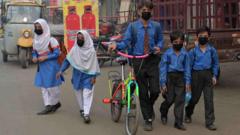
In a worrying trend, parts of South Asia, particularly Pakistan and India, are grappling with severe air pollution, prompting schools to limit outdoor activities and issue health warnings to vulnerable populations. Lahore, Pakistan's iconic city, was recently labeled the world's most polluted, struggling with dangerously high Air Quality Index (AQI) levels. In response to the situation, health officials have recommended that susceptible individuals, particularly children, limit their outdoor exposure until air quality improves.
The Air Quality Index, a key measure of environmental pollution, indicates alarming readings across northern India as well, with Delhi reporting pollution levels exceeding the World Health Organization’s safe threshold by over 30 times. Contributing factors include adverse weather conditions, agricultural practices such as crop burning, and increased air pollution from the use of firecrackers during cultural festivities. Farmers, rushing to clear their fields for new crops, inadvertently introduce significant smoke into the atmosphere, exacerbating the health risks. As authorities scramble to address air quality and public health needs, educational institutions remain cautious in their approach, ensuring that students are safeguarded against the detrimental effects of smog. With serious implications for public health and education, the toxic air crisis underscores the urgent need for collective action to combat pollution across the region.
