Xi's Pyongyang Trip: Strategic Leverage or Genuine Friendship?
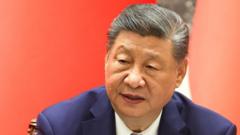
Chinese President Xi Jinping's rare visit to North Korea has been met with cheering crowds, but the true motives behind the trip are far more complex than surface-level diplomacy. While official statements describe the relationship as "unbreakable," analysts say Beijing is using this visit to reassert strategic control over a volatile neighbor.
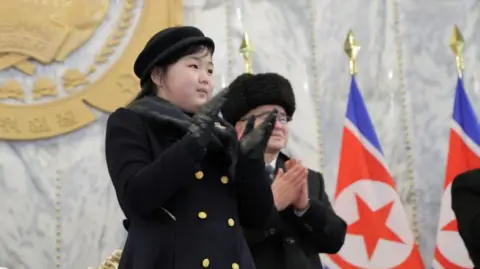
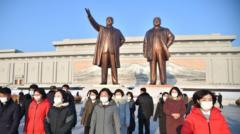
Xi's arrival in Pyongyang marked his first trip to the country since 2019, a move greeted by enthusiastic crowds lining the streets. However, the warm public displays mask underlying tensions that have strained relations between the two nations in recent years.
A Thaw in Strained Ties
The cooling between Beijing and Pyongyang became evident in subtle ways: the absence of high-level exchanges, the muted celebration of the 75th anniversary of diplomatic relations, and China's ambassador skipping North Korea's founding celebrations.
This estrangement coincided with North Korea's deepening military ties with Russia, including a mutual defense pact signed in 2024 and the deployment of North Korean soldiers to fight in Ukraine. According to a BBC investigation, approximately 2,300 North Korean soldiers have died in the conflict, with Pyongyang allegedly supplying ammunition in exchange for oil and aid.
"China wants to ensure that its interests vis-a-vis North Korea are protected at a time of rapid convergence between Moscow and Pyongyang," adds Ankit Panda, a nuclear policy specialist at the Carnegie Endowment for International Peace.
The Pragmatic Partner
Despite the cooling, China remains North Korea's primary economic lifeline, with exports to Pyongyang reaching $2.3 billion last year, the highest in six years. The restoration of passenger train services between Beijing and Pyongyang this year signals a renewed effort to re-engage.
For North Korean leader Kim Jong Un, the relationship is pragmatic necessity. If the Ukraine war ends, Russia's reliance on North Korean support could wane, and he risks becoming dependent on a weaker partner. Meanwhile, China has been welcoming world leaders to Beijing, offering a more stable alternative than the isolated Russian regime.
Historical tensions also shape the relationship. Kim's accelerated nuclear program and the execution of his uncle Jang Song Thaek, a stabilizing figure for China, caused Beijing to express rare diplomatic displeasure. It was only in 2018, as sanctions bit, that Kim made his first known foreign trip to Beijing—a move that marked the start of cautious recalibration.
Today, North Korea serves as both buffer and burden for China. It acts as a deterrent against US forces, but its weapons tests destabilize the region. Kim, meanwhile, seeks Chinese protection without Chinese control. Neither side fully trusts the other, but both believe they need each other and that is enough to keep the dialogue alive.