
In brief
Malala Yousafzai addressed an international summit in Pakistan, criticizing the Taliban's repressive policies towards women and girls, and calling on Muslim leaders to stand against gender-based oppression in Afghanistan and other regions.
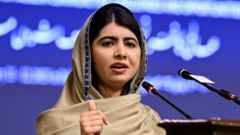
In a powerful address at a summit focused on girls' education in Islamabad, Malala Yousafzai highlighted the dire situation under Taliban rule in Afghanistan, which she argued is rooted in a blatant disregard for women's humanity. The Nobel laureate, who survived an assassination attempt by the Taliban at the age of 15 for championing educational rights, urged Muslim leaders to take a definitive stand against the repressive policies that have severely restricted access to education and employment for girls and women."Simply put, the Taliban do not see women as human beings," Yousafzai stated, passionately arguing that the Taliban’s actions contradict true Islamic principles. The summit, co-hosted by the Organization of Islamic Cooperation (OIC), addressed the urgent need for improved educational opportunities for girls in Muslim communities.
Expressing her relief at being back in Pakistan, Yousafzai condemned the Taliban's establishment of a "system of gender apartheid," entailing physical violence, detention, and threats against women who defy strict regulations. She criticized the government for cloaking its violations in supposed cultural and religious justifications that betray the essence of the Islamic faith.
The Taliban's refusal to acknowledge her concerns reflects their broader disregard for international criticism, with no foreign government recognizing their rule since they regained power in 2021. The situation for Afghani women is growing increasingly bleak, with restrictions on education leading to a loss of schooling for over 1.5 million girls who are denied secondary education.
The summit gathered ministers and scholars from various Muslim-majority countries, yet the Taliban leadership declined to participate, despite being invited. Yousafzai's message was urgent, insisting that major human rights violations must not go unchallenged while pointing out that similar crises are taking place in nations like Gaza, Yemen, and Sudan, where girls' futures are increasingly jeopardized. She called for a collective response to uphold the rights of girls to education against the oppressive regimes that hinder their potential.
