CJP protest: The youth movement India’s Modi didn’t see coming
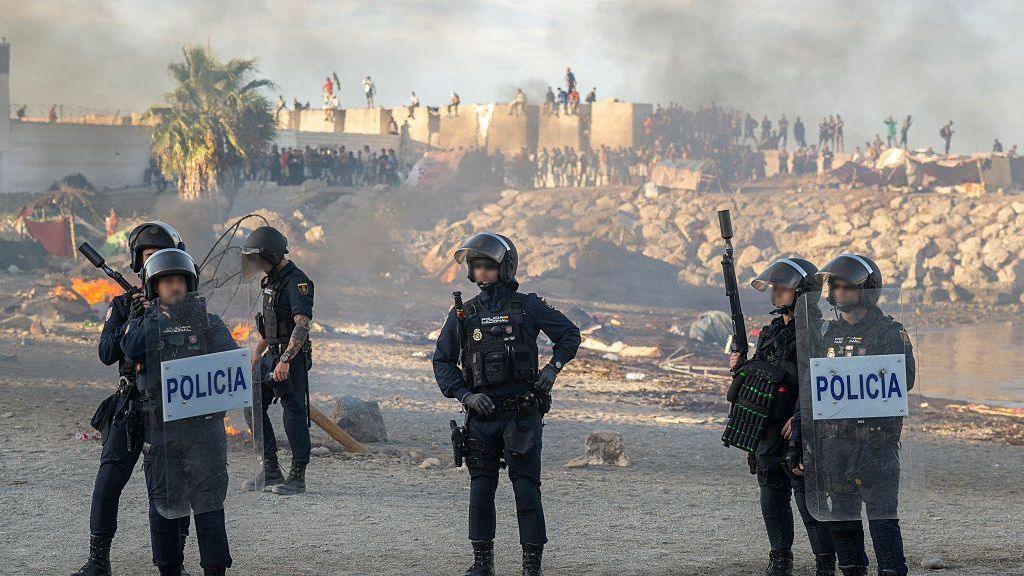
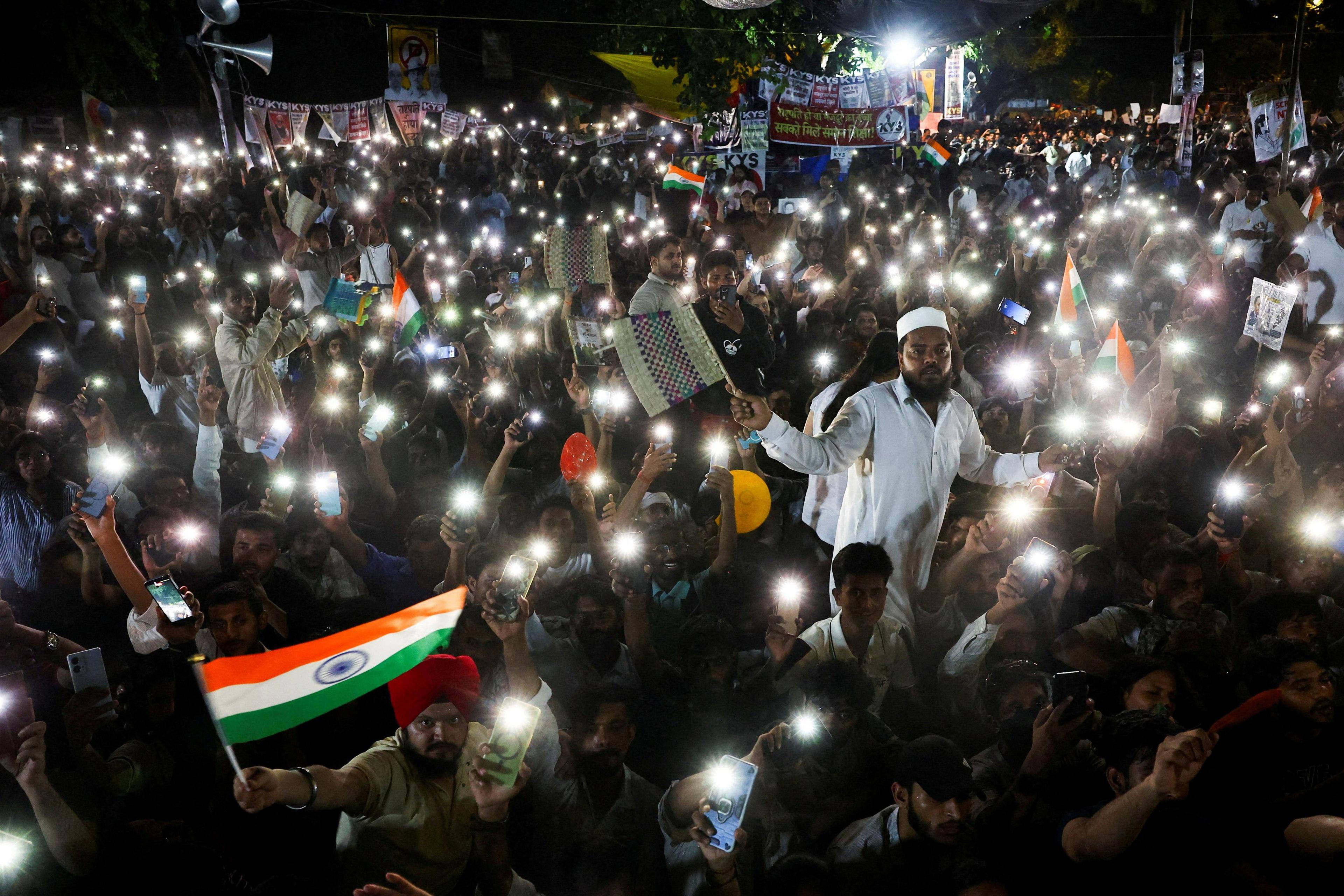
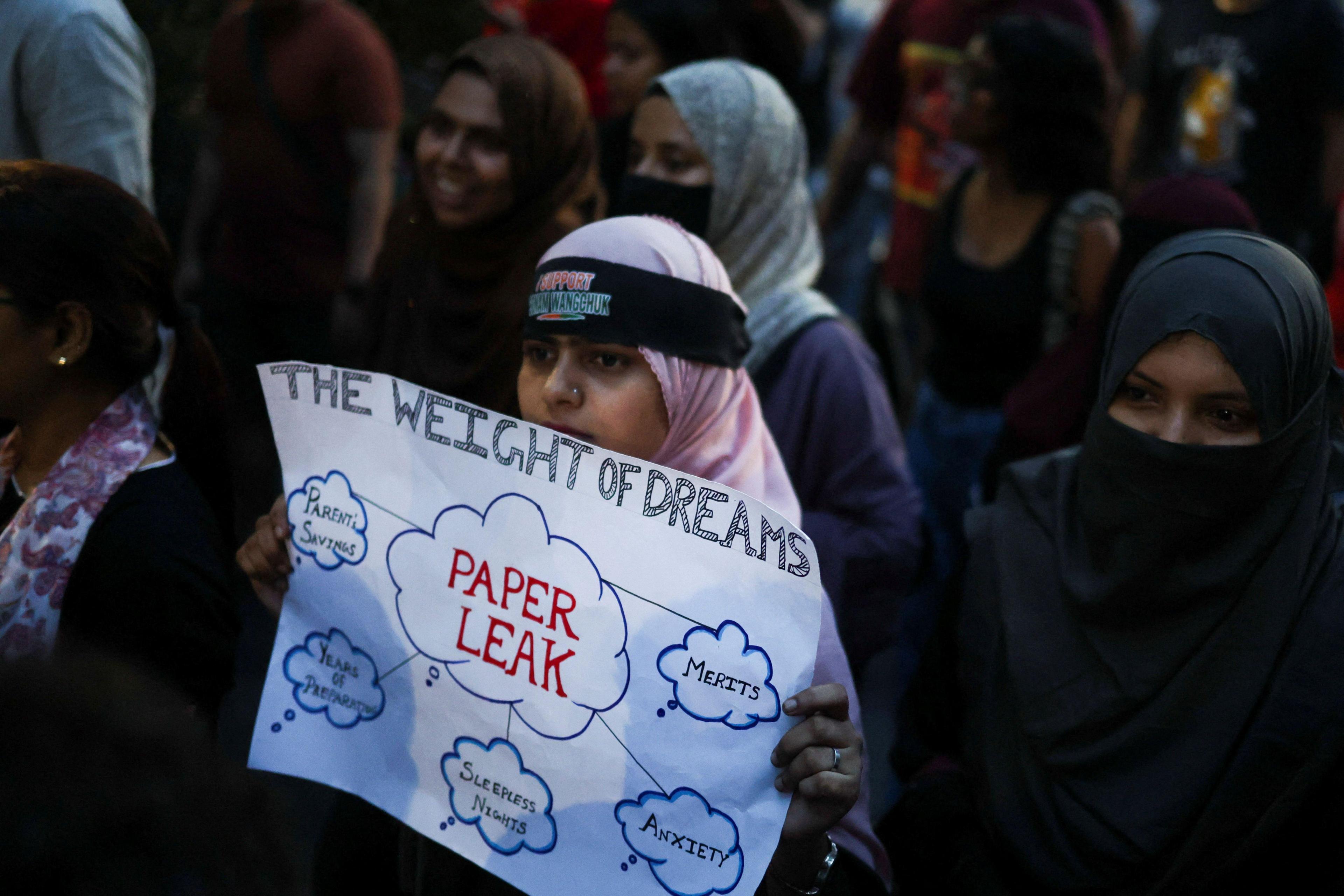
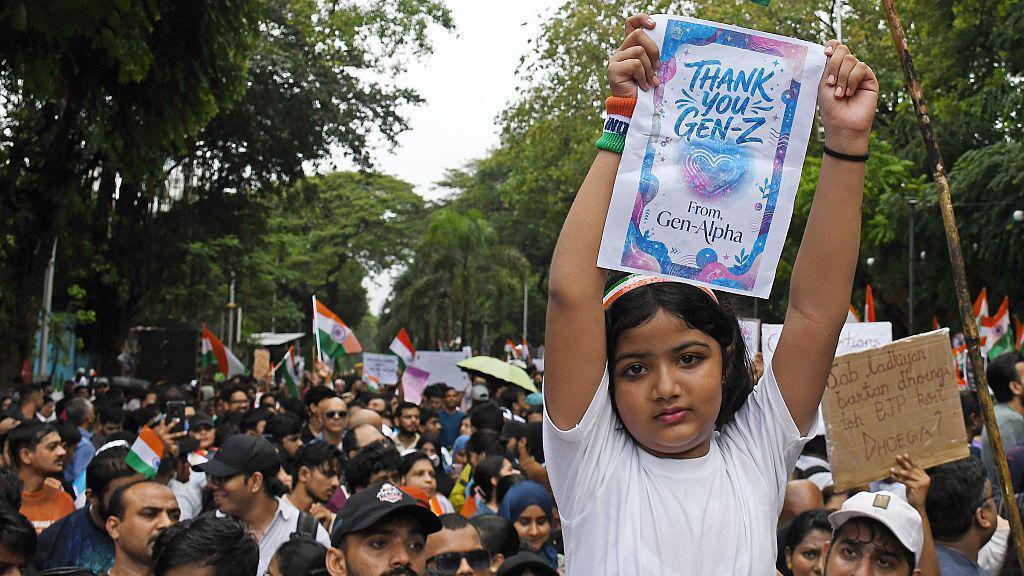
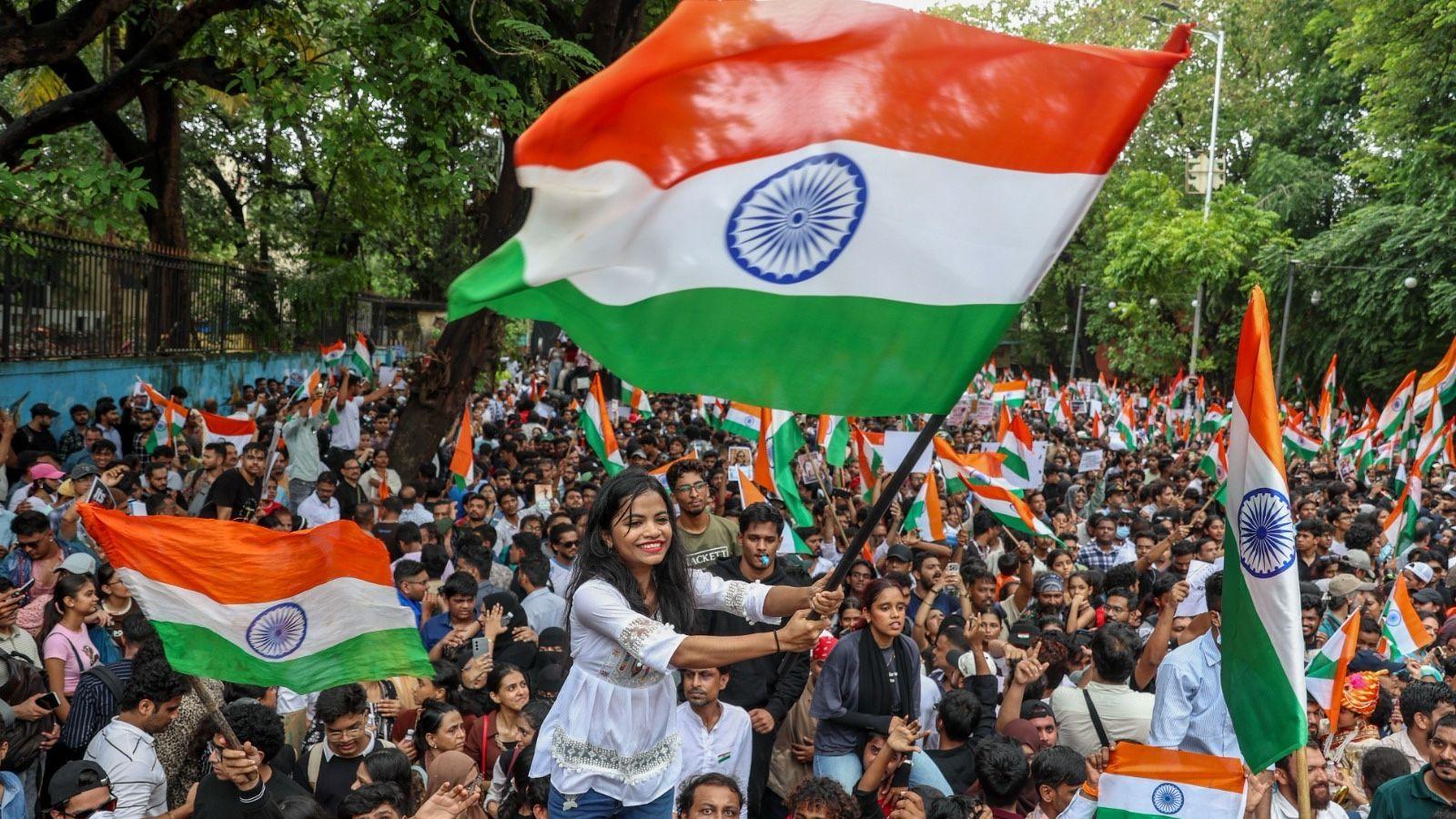
The movement erupted out of a shared fear that the exams which steer countless futures have been sabotaged. A week after the first leak, tens of thousands of students marched toward Parliament in Delhi, where police sprayed tear gas and used batons to break up the crowd. The protests have continued, with new rallies at the Jantar Mantar site attracting even more participants.
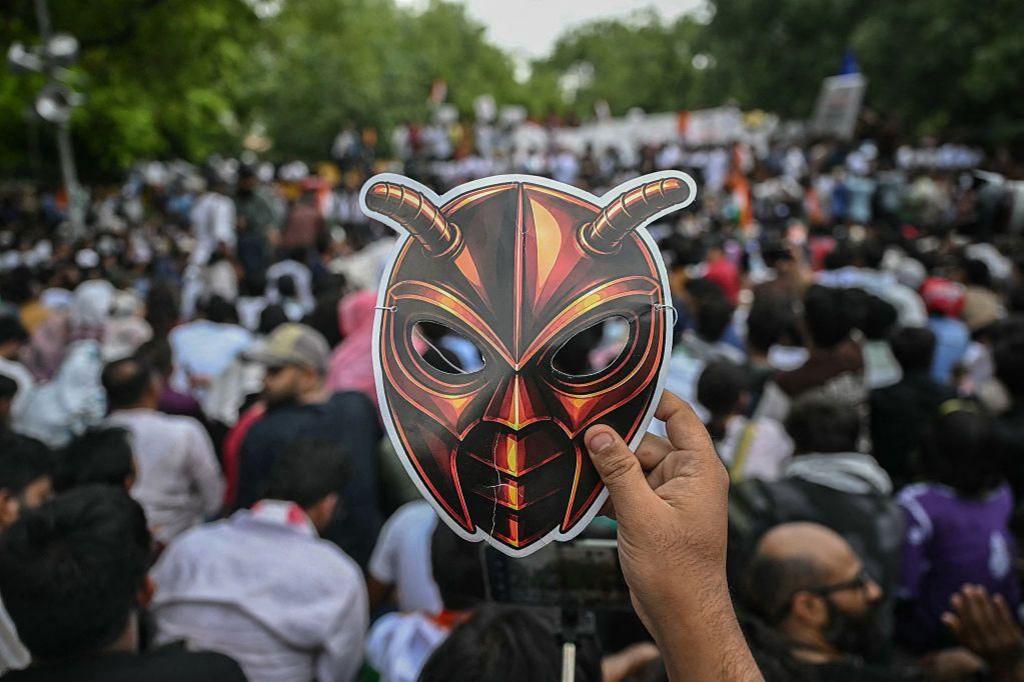
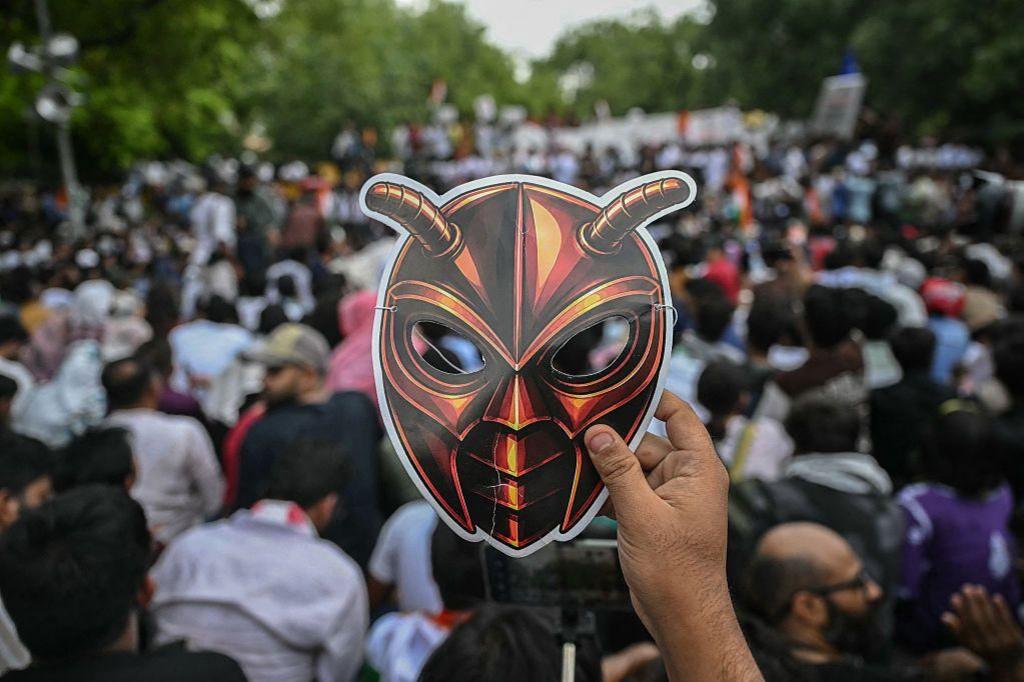
The Cockroach Janta Party (CJP) began as an online forum, quickly turning into a nationwide movement demanding the resignation of Education Minister Dharmendra Pradhan and deep reform of the exam system. The movement’s core leader, Sonam Wangchuk, undertook a 26‑day hunger strike, shedding 11 kg and partaking in the larger student protests. His fast ended in late Thursday, yet the momentum remains, with organisers saying the protests will continue until demands are met.
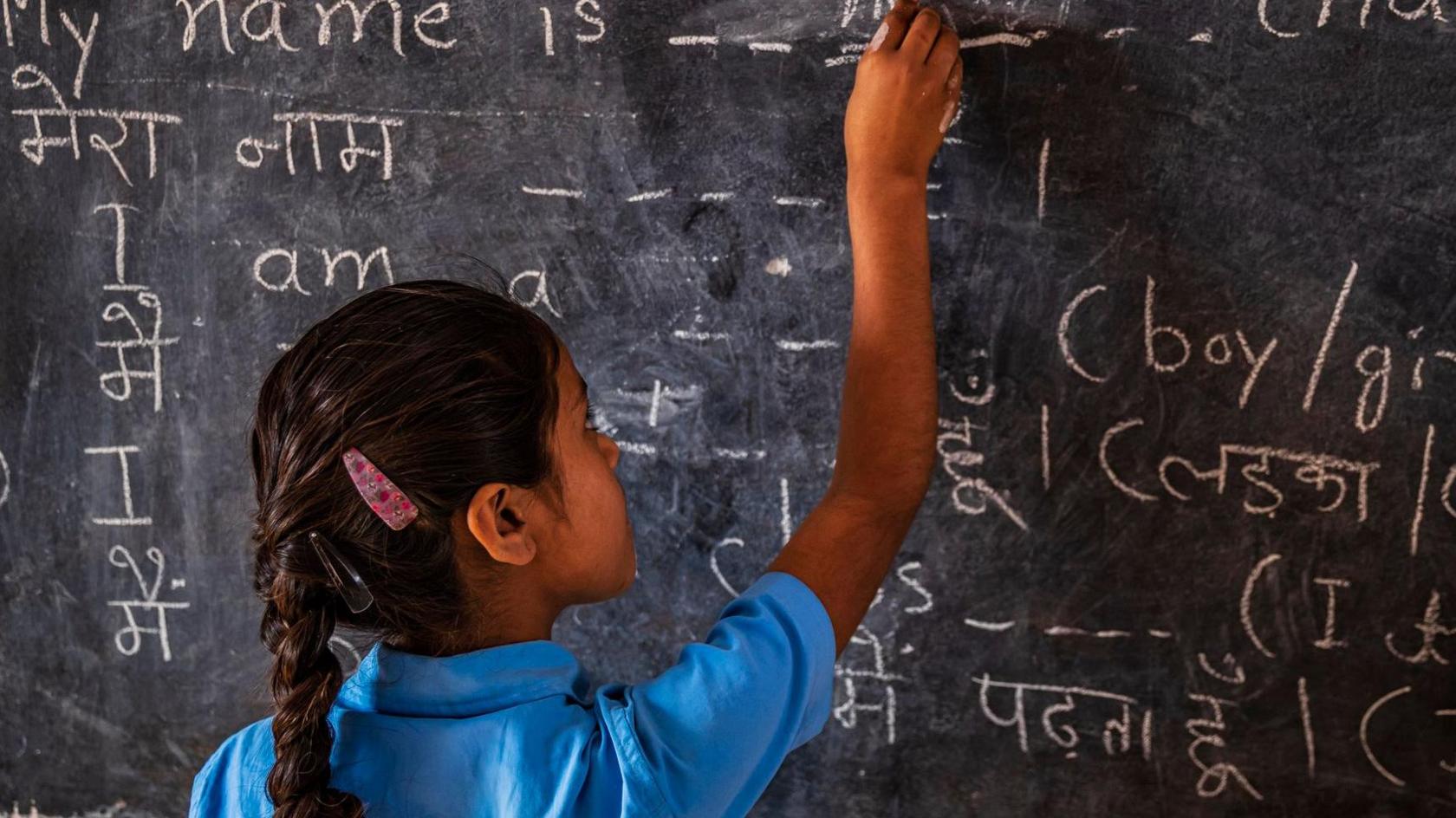
Unlike most of the past protests targeting Prime Minister Modi’s policies over citizenship, farm laws or nationalism, CJP is not driven by ideology or a single community’s interests. It speaks to a generic administrative failure: the state’s inability to conduct secure examinations, a foundational element of India’s social mobility.
“The exam and education system cuts across caste, class and gender,” says Yamini Aiyar, Senior Visiting Fellow at Brown University. “The core constituency coming to these protests doesn’t represent a singular interest group.” That breadth, she argues, makes the movement politically distinct.
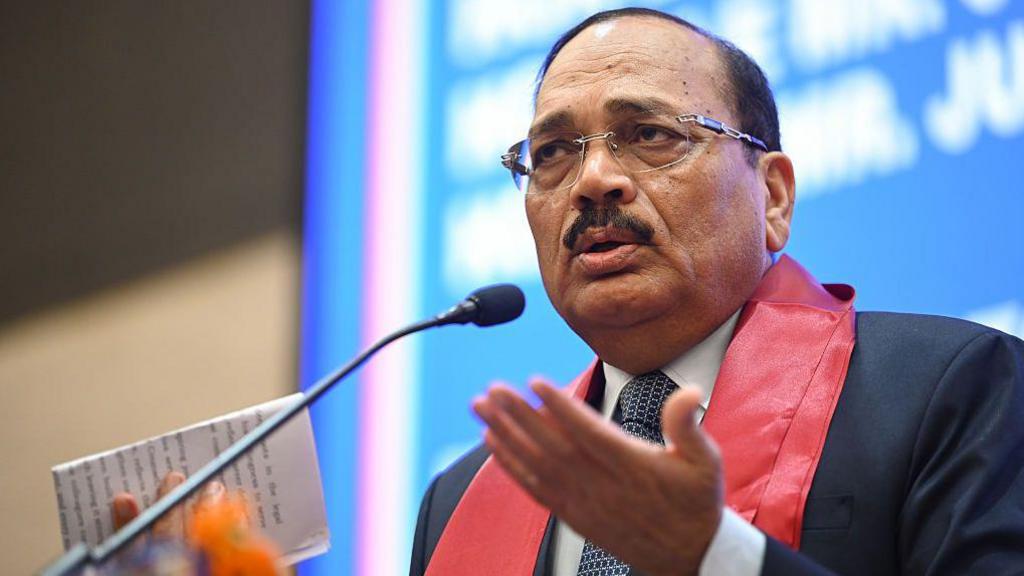
“This movement centres on administrative failure,” Rahul Verma, a policy researcher at the Centre for Policy Research, says. “It questions the BJP’s ability to govern. If the BJP fails to address these grievances, it could lose key support across demographics.”
The scale of this mobilisation isn’t limited to politically active groups. “We are aspirational young Indians and parents who see exams as a path to upward mobility,” Verma notes. “Because the grievance is governance, not ideology, the BJP cannot simply rally its base.”
On Monday’s protests, the turnout suggested a tipping point. The government’s reaction could determine whether the movement widens. “I think Monday’s gathering indicates this movement may have crossed a tipping point,” says Verma, adding that its growth hinges on how the state responds.
Despite the protests being rooted in a specific administrative scandal, many participants feel it taps into broader anxieties: a sluggish economy, a scarcity of jobs and a deep sense that future opportunities are shrinking. Aiyar says the protests “invite a new kind of politics—one focused on governance and delivery.”
Indian political scientist Suhas Palshikar warns that the movement may dissipate if the government represses or if media blackout intensifies. “It could simply act as an outlet for anger before tapering off,” he says. The challenge is whether this surge of discontent translates into broader political change.
To date, student unions, Left groups and the Dalit rights group Bhim Army have also joined the protests, but the size of the movement has been driven by the widespread participation of students from across the country.
“The young have shown their angst and their disgust. They have borne the brunt of the democratic government's brutal police,” Surajit Mazumdar, an economics professor at Jawaharlal Nehru University, observes. “They are pressing the regime to listen.”
While the immediate focus remains the paper leak scandal, the protest framework reflects long‑standing demands for accountability, fair electoral processes and an unmediated vociferous voice outside electoral politics. Whether the CJP’s energy endures or fades depends on the government’s response, media openness, and the movement’s capacity to keep a broad coalition unified.